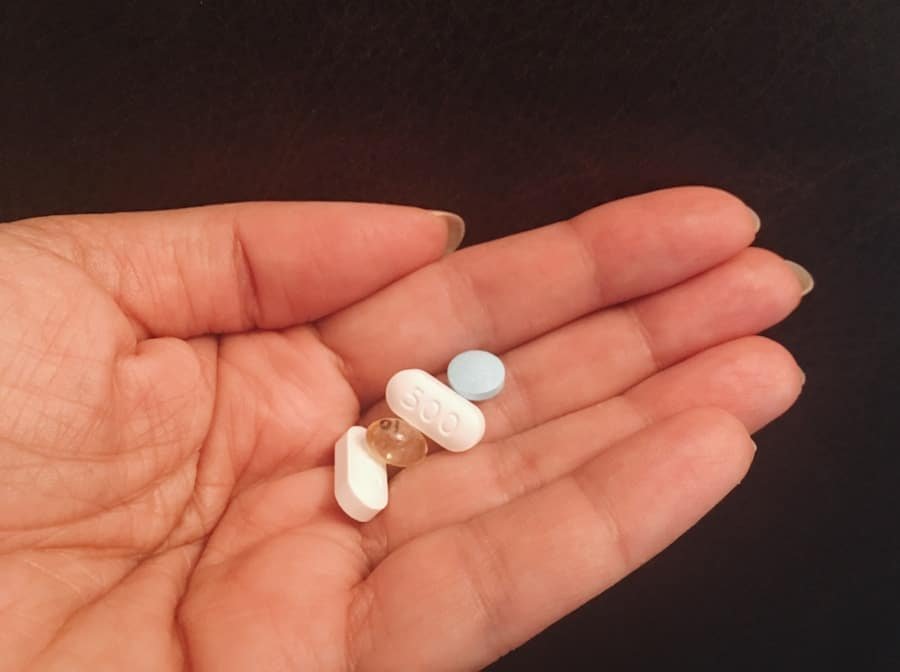
Appetite suppressant pills have gained significant attention in recent years, especially among those looking to manage their weight. These pills are designed to help you control your hunger and reduce your overall food intake, making it easier for you to stick to a diet or weight loss plan. As you navigate the world of weight management, understanding what these pills are and how they function can be crucial in making informed decisions about your health.
The appeal of appetite suppressants lies in their promise to help you achieve your weight loss goals with less effort. However, it’s essential to recognize that these pills are not a magic solution. They are often intended to be used in conjunction with a balanced diet and regular exercise.
By understanding the role of appetite suppressants in your weight loss journey, you can better assess whether they are a suitable option for you and how they can fit into your overall health strategy.
Key Takeaways
- Appetite suppressant pills are designed to help reduce food cravings and promote weight loss by making you feel full and satisfied with smaller portions.
- These pills work by targeting the hunger hormones in the body, such as ghrelin and leptin, to regulate appetite and reduce the desire to eat.
- Common ingredients in appetite suppressant pills include fiber, caffeine, green tea extract, and hoodia gordonii, which are known for their appetite-suppressing properties.
- Potential side effects of appetite suppressant pills may include increased heart rate, insomnia, digestive issues, and dependency on the pills for appetite control.
- Appetite suppressant pills are best suited for individuals who struggle with overeating and emotional eating, and should be used under the guidance of a healthcare professional.
How Appetite Suppressant Pills Work
Appetite suppressant pills primarily work by influencing the brain’s hunger signals. When you take these pills, they can alter the way your body perceives hunger, making you feel fuller for longer periods. This effect can lead to a decrease in your overall caloric intake, which is essential for weight loss.
Many of these pills target neurotransmitters in the brain, such as serotonin and norepinephrine, which play a significant role in regulating appetite and mood. In addition to affecting hunger signals, some appetite suppressants may also boost your metabolism. This means that not only will you feel less hungry, but your body may also burn calories more efficiently.
This dual action can be particularly beneficial for those who struggle with cravings or find it challenging to stick to a calorie-restricted diet. However, it’s important to remember that individual responses to these pills can vary widely, and what works for one person may not work for another.
Common Ingredients in Appetite Suppressant Pills
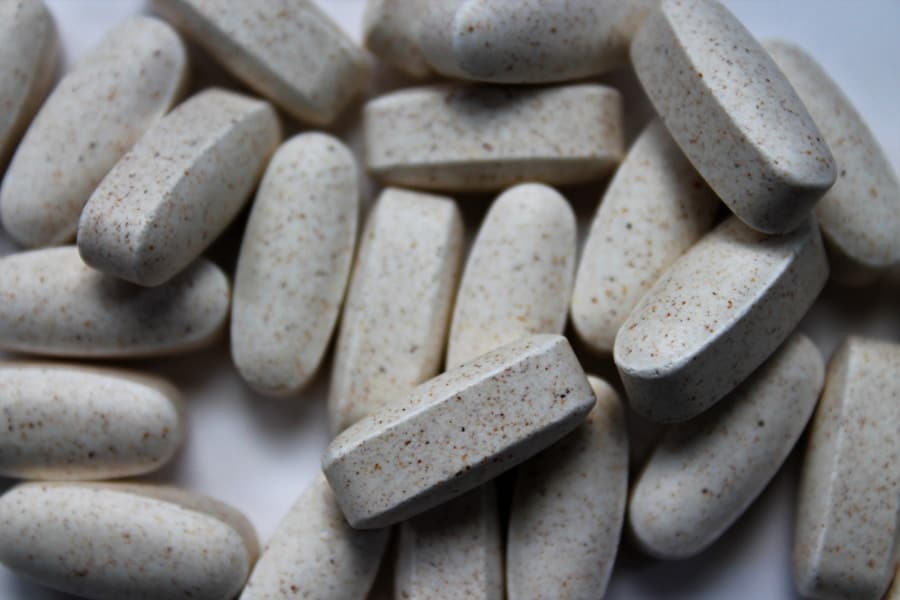
When exploring appetite suppressant pills, you’ll encounter a variety of ingredients, each with its unique mechanism of action. Some of the most common ingredients include caffeine, green tea extract, and glucomannan. Caffeine is a well-known stimulant that can increase energy levels and suppress appetite temporarily.
It works by enhancing the release of certain hormones that signal fullness, making it easier for you to resist the urge to snack. Green tea extract is another popular ingredient due to its potential fat-burning properties. Rich in antioxidants, it may help boost metabolism while also providing a mild appetite-suppressing effect.
Glucomannan, a natural fiber derived from the konjac root, expands in your stomach when consumed with water, creating a feeling of fullness that can help curb your appetite. Understanding these ingredients can empower you to make informed choices about which appetite suppressant pills may be most effective for your needs.
Potential Side Effects of Appetite Suppressant Pills
While appetite suppressant pills can offer benefits, they are not without potential side effects. As with any supplement or medication, it’s crucial to be aware of how these pills might affect your body. Common side effects include increased heart rate, insomnia, dry mouth, and digestive issues such as bloating or constipation.
These effects can vary depending on the specific ingredients in the pill and your individual tolerance levels. In some cases, more severe side effects may occur, particularly if the pills are misused or taken without proper guidance. For instance, some appetite suppressants can lead to dependency or withdrawal symptoms if used for extended periods.
It’s essential to consult with a healthcare professional before starting any appetite suppressant regimen to ensure that you understand the risks involved and can monitor any adverse reactions effectively.
Who Should Use Appetite Suppressant Pills
Appetite suppressant pills may be suitable for certain individuals who struggle with weight management but are not a one-size-fits-all solution. If you find yourself frequently battling cravings or have difficulty controlling portion sizes despite following a healthy diet and exercise plan, these pills might provide the extra support you need. However, they are generally recommended for adults who are already committed to making lifestyle changes rather than as a standalone solution.
It’s also important to consider any underlying health conditions before using appetite suppressants. For example, individuals with heart problems, anxiety disorders, or those who are pregnant or breastfeeding should approach these pills with caution. Consulting with a healthcare provider can help you determine whether appetite suppressants align with your health goals and personal circumstances.
How to Choose the Right Appetite Suppressant Pill

Choosing the right appetite suppressant pill can feel overwhelming given the plethora of options available on the market today. Start by researching reputable brands that prioritize transparency in their ingredient lists and manufacturing processes. Look for products that have undergone third-party testing to ensure their safety and efficacy.
Reading customer reviews can also provide insight into how well a particular product has worked for others. Additionally, consider your specific needs and preferences when selecting an appetite suppressant pill. For instance, if you prefer natural ingredients, look for products that contain herbal extracts or fiber-based components rather than synthetic stimulants.
It’s also wise to consult with a healthcare professional who can guide you toward options that align with your health goals and lifestyle.
Tips for Using Appetite Suppressant Pills Safely and Effectively
To maximize the benefits of appetite suppressant pills while minimizing potential risks, it’s essential to use them safely and effectively. Start by following the recommended dosage instructions provided by the manufacturer or your healthcare provider. Avoid exceeding the suggested amount in hopes of achieving faster results; this can lead to adverse side effects and diminish the effectiveness of the pill.
Incorporating healthy eating habits and regular physical activity into your routine is equally important when using appetite suppressants. These pills should complement a balanced lifestyle rather than replace it. Keeping a food diary can help you track your eating patterns and identify triggers for overeating, allowing you to make more mindful choices even while using appetite suppressants.
Alternatives to Appetite Suppressant Pills
If you’re hesitant about using appetite suppressant pills or have experienced side effects in the past, there are several alternatives worth considering. Natural methods such as increasing your protein intake can help you feel fuller for longer periods without relying on supplements. Foods rich in fiber, like fruits, vegetables, and whole grains, can also promote satiety and reduce hunger pangs.
Mindful eating practices can be another effective alternative. By paying attention to your hunger cues and savoring each bite during meals, you may find that you naturally consume less food without feeling deprived. Additionally, engaging in regular physical activity not only helps burn calories but also boosts mood and energy levels, making it easier for you to stick to your weight management goals without the need for appetite suppressants.
In conclusion, while appetite suppressant pills can offer support in managing hunger and aiding weight loss efforts, they should be approached with caution and used as part of a comprehensive health strategy. By understanding how they work, their potential side effects, and exploring alternatives, you can make informed decisions that align with your personal health goals and lifestyle choices.
If you are looking to enhance your weight loss journey with exercise, check out this article on exercises to burn fat fast. These exercises can help you achieve your fitness goals while also incorporating appetite suppressant pills into your routine. Pairing these exercises with a healthy diet, such as incorporating foods that burn fat and boost metabolism, can help you see even better results. And if you prefer using a treadmill for your workouts, learn about the best way to burn fat on a treadmill to maximize your efforts.
FAQs
What are appetite suppressant pills?
Appetite suppressant pills are a type of weight loss supplement that work by reducing feelings of hunger and helping to control food cravings. They are designed to help individuals consume fewer calories and lose weight.
How do appetite suppressant pills work?
Appetite suppressant pills work by affecting the appetite control centers in the brain, leading to a reduced feeling of hunger. Some pills also work by increasing the levels of certain neurotransmitters, such as serotonin, which can help regulate mood and appetite.
Are appetite suppressant pills safe to use?
It is important to consult with a healthcare professional before using appetite suppressant pills, as they may not be suitable for everyone. Some pills may have potential side effects and interactions with other medications, so it is important to use them under medical supervision.
Do appetite suppressant pills guarantee weight loss?
While appetite suppressant pills can help reduce calorie intake and aid in weight loss, they are not a guarantee for losing weight. They should be used in conjunction with a healthy diet and regular exercise for best results.
What are some common ingredients in appetite suppressant pills?
Common ingredients in appetite suppressant pills include caffeine, green tea extract, glucomannan, and garcinia cambogia. These ingredients are believed to help reduce appetite and promote weight loss.