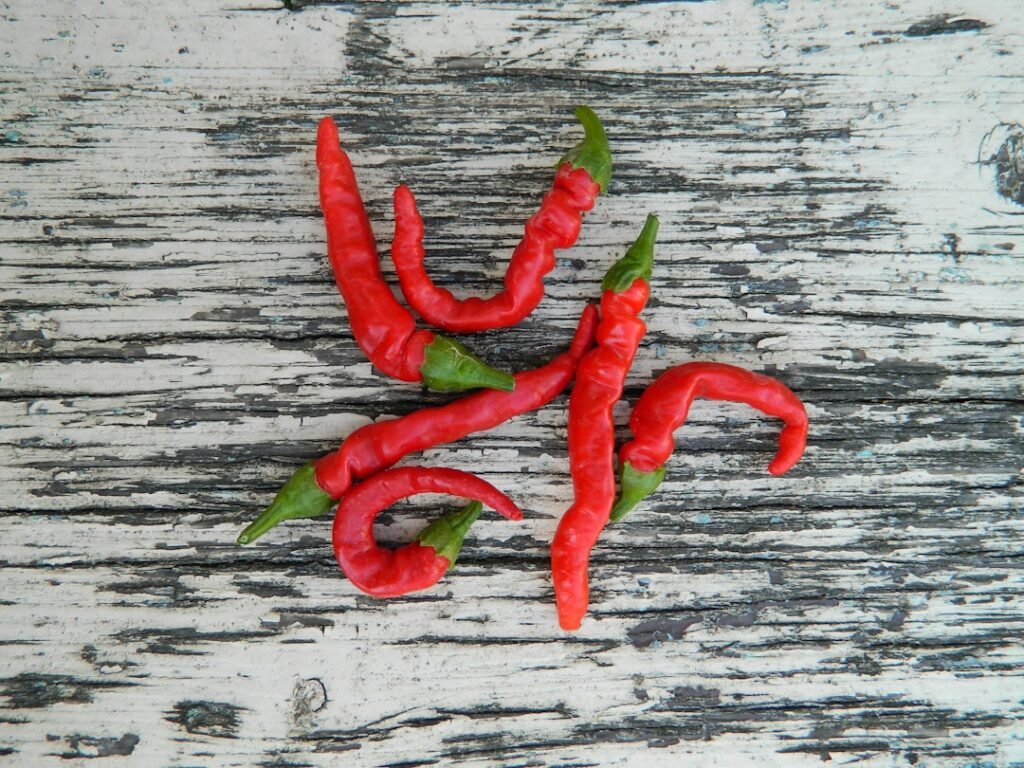
Capsaicin is the active compound found in chili peppers that gives them their characteristic heat. This pungent substance is not only responsible for the fiery sensation you experience when consuming spicy foods but also boasts a range of health benefits. Capsaicin is a colorless, odorless compound that interacts with the body’s pain receptors, specifically the TRPV1 receptor, which is why it can create a burning sensation.
Beyond its culinary uses, capsaicin has been studied for its potential therapeutic properties, including pain relief and anti-inflammatory effects. In addition to its culinary and medicinal applications, capsaicin has garnered attention in the realm of weight management. As you explore the world of capsaicin, you may find it fascinating that this compound has been used in traditional medicine for centuries.
Cultures around the globe have recognized the benefits of spicy foods, and modern science is beginning to validate these age-old beliefs. Understanding what capsaicin is and how it works can provide you with valuable insights into its role in weight loss and overall health.
Key Takeaways
- Capsaicin is a compound found in chili peppers that gives them their spicy heat.
- Capsaicin aids in weight loss by increasing metabolism, reducing appetite, and promoting fat oxidation.
- Scientific evidence supports the use of Capsaicin for weight loss, showing its ability to increase energy expenditure and fat oxidation.
- Capsaicin supplements come in various forms including pills, powders, and topical creams.
- Potential side effects of using Capsaicin for weight loss include gastrointestinal discomfort and skin irritation.
How does Capsaicin aid in weight loss?
Capsaicin aids in weight loss through several mechanisms that can enhance your metabolic processes. One of the primary ways it contributes to weight management is by increasing thermogenesis, which is the process by which your body generates heat and burns calories. When you consume capsaicin, your body responds by elevating its temperature, leading to an increase in energy expenditure.
This means that even at rest, your body may be burning more calories than it would without capsaicin. Moreover, capsaicin can help suppress appetite, making it easier for you to adhere to a calorie-restricted diet. By influencing hormones that regulate hunger, such as ghrelin and peptide YY, capsaicin can create a feeling of fullness, reducing the likelihood of overeating.
This dual action of boosting metabolism while curbing appetite makes capsaicin an appealing option for those looking to shed extra pounds. As you consider incorporating capsaicin into your weight loss strategy, it’s essential to understand how these mechanisms work together to support your goals.
The scientific evidence behind Capsaicin and weight loss

Numerous studies have investigated the relationship between capsaicin and weight loss, providing a growing body of evidence to support its efficacy. Research has shown that individuals who consume capsaicin regularly tend to have lower body mass indexes (BMIs) compared to those who do not include spicy foods in their diets. In one study, participants who consumed capsaicin before meals reported feeling fuller and consumed fewer calories overall.
This suggests that capsaicin may play a significant role in appetite regulation. Additionally, some clinical trials have demonstrated that capsaicin supplementation can lead to modest weight loss over time. For instance, a study published in the journal “Obesity” found that participants who took capsaicin supplements experienced a reduction in body fat percentage compared to those who received a placebo.
While the results are promising, it’s important to note that the weight loss observed was often modest and should be viewed as part of a comprehensive approach to weight management that includes diet and exercise.
Different forms of Capsaicin supplements
Capsaicin is available in various forms, making it accessible for those interested in harnessing its weight loss benefits. One of the most common forms is capsaicin capsules or tablets, which provide a concentrated dose of the compound without the need to consume spicy foods. These supplements are often standardized to ensure consistent levels of capsaicin, allowing you to easily incorporate them into your daily routine.
Another popular option is topical capsaicin creams or patches, which are primarily used for pain relief but may also offer some metabolic benefits when applied to the skin. While these forms may not directly contribute to weight loss in the same way as oral supplements, they can still play a role in overall wellness. Additionally, you can choose to incorporate more spicy foods into your diet by adding fresh or dried chili peppers to your meals.
This approach not only provides the benefits of capsaicin but also enhances the flavor of your dishes.
Potential side effects and risks of using Capsaicin for weight loss
While capsaicin is generally considered safe for most people when consumed in moderation, there are potential side effects and risks associated with its use, particularly in supplement form. Some individuals may experience gastrointestinal discomfort, including stomach cramps, diarrhea, or heartburn after consuming capsaicin. If you have a sensitive stomach or a history of gastrointestinal issues, it’s wise to start with small doses and monitor your body’s response.
Additionally, excessive consumption of capsaicin can lead to more severe reactions, such as nausea or vomiting. It’s essential to consult with a healthcare professional before starting any new supplement regimen, especially if you have underlying health conditions or are taking medications that may interact with capsaicin. By being aware of these potential side effects and taking precautions, you can safely explore the benefits of capsaicin as part of your weight loss journey.
How to incorporate Capsaicin into your weight loss regimen

Incorporating capsaicin into your weight loss regimen can be both enjoyable and effective. One of the simplest ways to do this is by adding spicy foods to your meals. You can experiment with different types of chili peppers, such as jalapeños, habaneros, or cayenne pepper, to find the level of heat that suits your palate.
Adding these peppers to salads, soups, or stir-fries not only enhances flavor but also boosts your metabolism. If you prefer a more concentrated approach, consider taking capsaicin supplements in capsule form. These supplements are easy to incorporate into your daily routine and can provide a consistent dose of capsaicin without the need for spicy foods.
Be sure to follow the recommended dosage on the product label and consult with a healthcare professional if you have any concerns about integrating these supplements into your diet.
Capsaicin and its effects on metabolism and appetite control
Capsaicin’s effects on metabolism and appetite control are key factors in its potential as a weight loss aid. By increasing thermogenesis, capsaicin helps your body burn more calories throughout the day. This heightened metabolic rate can be particularly beneficial when combined with regular physical activity, as it allows you to maximize calorie expenditure during workouts and daily activities.
In terms of appetite control, capsaicin influences various hormones that regulate hunger signals in your body. By promoting feelings of fullness and reducing cravings for unhealthy snacks, capsaicin can help you maintain a calorie deficit more easily. This combination of increased metabolism and appetite suppression makes capsaicin an attractive option for those looking to achieve their weight loss goals while enjoying flavorful meals.
Is Capsaicin an effective weight loss aid?
In conclusion, capsaicin presents a promising option for those seeking assistance in their weight loss journey. Its ability to boost metabolism and suppress appetite makes it an appealing addition to a balanced diet and exercise regimen. While scientific evidence supports its effectiveness in promoting modest weight loss, it’s essential to approach it as part of a comprehensive strategy rather than a standalone solution.
As you consider incorporating capsaicin into your lifestyle, remember that individual responses may vary. What works for one person may not yield the same results for another. Therefore, it’s crucial to listen to your body and consult with healthcare professionals when necessary.
By combining capsaicin with healthy eating habits and regular physical activity, you can create a sustainable path toward achieving your weight loss goals while enjoying the flavorful benefits of this remarkable compound.
Capsaicin, a compound found in chili peppers, has been shown to aid in weight loss by increasing metabolism and reducing appetite. According to a related article on superfatburner.net, fat loss pills can also be effective in helping individuals shed excess weight. These pills work by boosting metabolism, suppressing appetite, and increasing energy levels, making it easier for people to stick to their weight loss goals. Pairing the benefits of capsaicin with fat loss pills could potentially enhance weight loss results even further.
FAQs
What is capsaicin?
Capsaicin is a natural compound found in chili peppers, responsible for their spicy flavor. It is often used in topical creams for pain relief and is also available in supplement form.
How does capsaicin help with weight loss?
Capsaicin has been shown to increase metabolism and promote fat burning. It may also help reduce appetite and calorie intake, leading to potential weight loss.
What are the potential benefits of using capsaicin for weight loss?
Some potential benefits of using capsaicin for weight loss include increased fat burning, improved metabolism, and reduced appetite, which may contribute to overall weight management.
Are there any potential side effects of using capsaicin for weight loss?
Some people may experience gastrointestinal discomfort or irritation when consuming capsaicin, especially in high doses. It is important to start with a low dose and monitor for any adverse reactions.
Is capsaicin safe for everyone to use for weight loss?
Capsaicin is generally safe for most people when consumed in moderate amounts. However, individuals with gastrointestinal conditions or sensitivities to spicy foods should use caution when using capsaicin for weight loss.
How should capsaicin be consumed for weight loss?
Capsaicin can be consumed through chili peppers, spicy foods, or supplements. It is important to follow recommended dosages and consult with a healthcare professional before starting any new weight loss regimen.