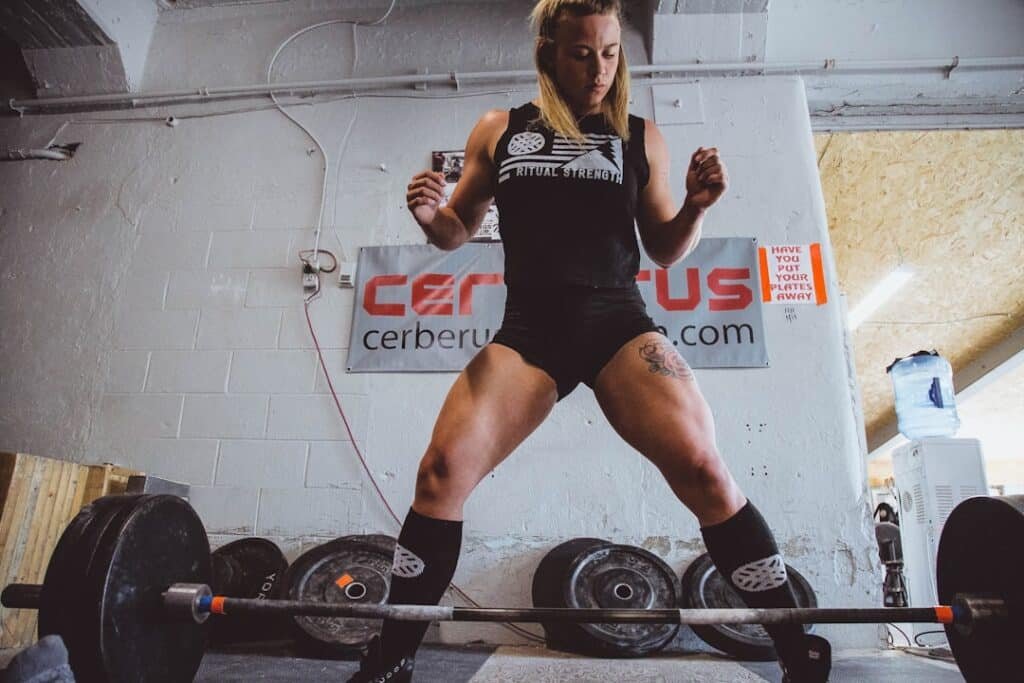
When you think about effective workouts, compound exercises should be at the forefront of your mind. These movements engage multiple muscle groups simultaneously, making them a cornerstone of any fitness regimen. Unlike isolation exercises, which target a single muscle group, compound exercises require coordination and strength from various parts of your body.
For instance, when you perform a squat, you’re not just working your legs; your core, back, and even your arms play a role in stabilizing and executing the movement. This multi-faceted approach not only enhances your overall strength but also improves your functional fitness, which is essential for everyday activities. Incorporating compound exercises into your routine can lead to more efficient workouts.
Because they engage several muscles at once, you can achieve a full-body workout in less time compared to focusing solely on isolation movements. This efficiency is particularly beneficial for those with busy schedules who still want to maintain a high level of fitness. By understanding what compound exercises are and how they function, you can better appreciate their role in achieving your fitness goals, especially when it comes to burning fat.
Key Takeaways
- Compound exercises involve multiple muscle groups and joints working together in a single movement
- Compound exercises help burn fat by increasing muscle mass and boosting metabolism
- Examples of compound exercises include squats, deadlifts, lunges, and push-ups
- Benefits of compound exercises for fat burn include improved strength, efficiency, and overall calorie burn
- To incorporate compound exercises into your workout routine, focus on full-body movements and prioritize compound exercises over isolation exercises
How Compound Exercises Help Burn Fat
One of the most compelling reasons to include compound exercises in your workout routine is their effectiveness in burning fat. When you engage multiple muscle groups, your body requires more energy, which translates to a higher calorie burn during and after your workout. This phenomenon is known as the afterburn effect or excess post-exercise oxygen consumption (EPOC).
Essentially, your body continues to burn calories even after you’ve finished exercising as it works to restore itself to its pre-exercise state. This means that the more muscles you engage during your workout, the more calories you’ll burn overall. Moreover, compound exercises often involve heavier weights compared to isolation exercises.
Lifting heavier loads not only builds muscle but also increases your resting metabolic rate. Muscle tissue burns more calories at rest than fat tissue does, so by incorporating compound movements into your routine, you’re effectively boosting your metabolism. This dual benefit of immediate calorie burn during workouts and increased metabolic rate afterward makes compound exercises a powerful tool in your fat-burning arsenal.
Examples of Compound Exercises

To get started with compound exercises, it’s helpful to know some key movements that you can incorporate into your routine. Classic examples include squats, deadlifts, bench presses, and pull-ups. Each of these exercises engages multiple muscle groups and can be modified to suit various fitness levels.
For instance, squats primarily target the quadriceps and glutes but also engage the core and lower back for stability. Deadlifts work the hamstrings, glutes, lower back, and even the upper body when performed correctly. In addition to these traditional lifts, there are many variations that can keep your workouts fresh and challenging.
For example, kettlebell swings are an excellent compound exercise that targets the hips, glutes, and core while also providing a cardiovascular challenge. Similarly, push-ups engage the chest, shoulders, triceps, and core all at once. By mixing different compound exercises into your routine, you can ensure that you’re working various muscle groups while keeping your workouts engaging and effective.
Benefits of Compound Exercises for Fat Burn
The benefits of compound exercises extend beyond just fat burning; they also contribute to overall fitness improvements. One significant advantage is the enhancement of functional strength. Since these exercises mimic real-life movements—like lifting heavy objects or climbing stairs—they prepare your body for daily activities.
This functional strength can lead to better performance in sports and recreational activities as well. Additionally, compound exercises promote better coordination and balance. As you learn to control multiple muscle groups simultaneously, you develop greater body awareness and stability.
This improvement in coordination not only helps prevent injuries but also enhances your overall athletic performance. Furthermore, because compound exercises often require more energy and focus, they can lead to improved mental toughness and discipline in your training regimen.
How to Incorporate Compound Exercises into Your Workout Routine
Integrating compound exercises into your workout routine doesn’t have to be complicated. Start by assessing your current fitness level and identifying which compound movements align with your goals. If you’re new to strength training, consider beginning with bodyweight versions of these exercises—like squats or push-ups—before progressing to weighted variations.
This approach allows you to build a solid foundation while minimizing the risk of injury. Once you feel comfortable with the basic movements, aim to include at least two or three compound exercises in each workout session. You might structure your routine around a full-body workout or focus on specific muscle groups on different days.
For example, you could dedicate one day to lower body exercises like squats and deadlifts while reserving another day for upper body movements such as bench presses and rows. By strategically incorporating compound exercises into your routine, you’ll maximize their benefits while keeping your workouts varied and enjoyable.
Tips for Maximizing Fat Burn with Compound Exercises

To truly harness the fat-burning potential of compound exercises, consider implementing some strategic tips into your training regimen. First and foremost, focus on maintaining proper form throughout each movement. Quality over quantity is essential; performing an exercise with poor form can lead to injuries and diminish its effectiveness.
Take the time to learn the correct techniques for each exercise before increasing weight or intensity. Another effective strategy is to incorporate high-intensity interval training (HIIT) with your compound movements. By alternating between periods of intense effort and short rest intervals, you can elevate your heart rate and maximize calorie burn during your workouts.
For instance, you might perform a set of squats followed by a brief rest period before moving on to push-ups or kettlebell swings. This combination not only keeps your heart rate up but also adds an element of cardiovascular training to your strength workouts.
Common Mistakes to Avoid When Doing Compound Exercises for Fat Burn
While compound exercises are incredibly beneficial for fat loss, there are common pitfalls that can hinder your progress or lead to injury. One frequent mistake is neglecting warm-up routines before diving into heavy lifting. Warming up prepares your muscles and joints for the demands of exercise, reducing the risk of strains or injuries.
A proper warm-up should include dynamic stretches and lighter versions of the exercises you plan to perform. Another common error is rushing through sets without allowing adequate recovery time between them. While it’s important to maintain intensity during workouts, giving yourself enough rest between sets is crucial for optimal performance and safety.
If you’re too fatigued to maintain proper form by the end of a set, it’s better to take a longer break than risk injury or ineffective training.
The Importance of Compound Exercises for Fat Burn
In conclusion, compound exercises are an invaluable component of any effective fat-burning strategy. Their ability to engage multiple muscle groups simultaneously not only maximizes calorie burn during workouts but also enhances overall strength and functional fitness. By incorporating these movements into your routine, you can achieve greater efficiency in your workouts while reaping numerous health benefits.
As you embark on this journey toward improved fitness and fat loss, remember that consistency is key. Make a commitment to include compound exercises regularly in your training regimen while focusing on proper form and technique. With dedication and the right approach, you’ll find that these powerful movements can significantly contribute to achieving your fitness goals while transforming your body in the process.
If you’re looking to incorporate running into your fat-burning routine, check out this article on how running can help burn fat and build muscle. This article provides tips and insights on how to maximize your running workouts for optimal fat-burning results. Additionally, if you’re interested in trying out fat burner gummies as a supplement to your exercise routine, you may want to read this article on the benefits and effectiveness of fat burner gummies. And for those looking to target stubborn belly fat, this article on how to burn fat in your stomach offers practical advice and strategies to help you achieve your goals.
FAQs
What are compound exercises?
Compound exercises are movements that involve multiple joints and muscle groups working together. Examples of compound exercises include squats, deadlifts, bench press, and pull-ups.
How do compound exercises help with fat burning?
Compound exercises are effective for fat burning because they require more energy and engage multiple muscle groups at once, leading to a higher calorie burn during and after the workout. They also help to increase muscle mass, which can boost metabolism and aid in fat loss.
What are the benefits of incorporating compound exercises into a workout routine?
Incorporating compound exercises into a workout routine can help improve overall strength, increase muscle mass, enhance coordination and balance, and promote fat loss. They are also time-efficient, as they work multiple muscle groups simultaneously.
Can compound exercises be modified for different fitness levels?
Yes, compound exercises can be modified to accommodate different fitness levels. For beginners, lighter weights or resistance bands can be used, and the range of motion can be adjusted. Advanced individuals can increase the weight or intensity of the exercises to continue challenging their muscles.
How often should compound exercises be included in a workout routine for fat burning?
It is recommended to include compound exercises in a workout routine at least 2-3 times per week for fat burning. However, the frequency and intensity of compound exercises can vary based on individual fitness goals and overall workout schedule.