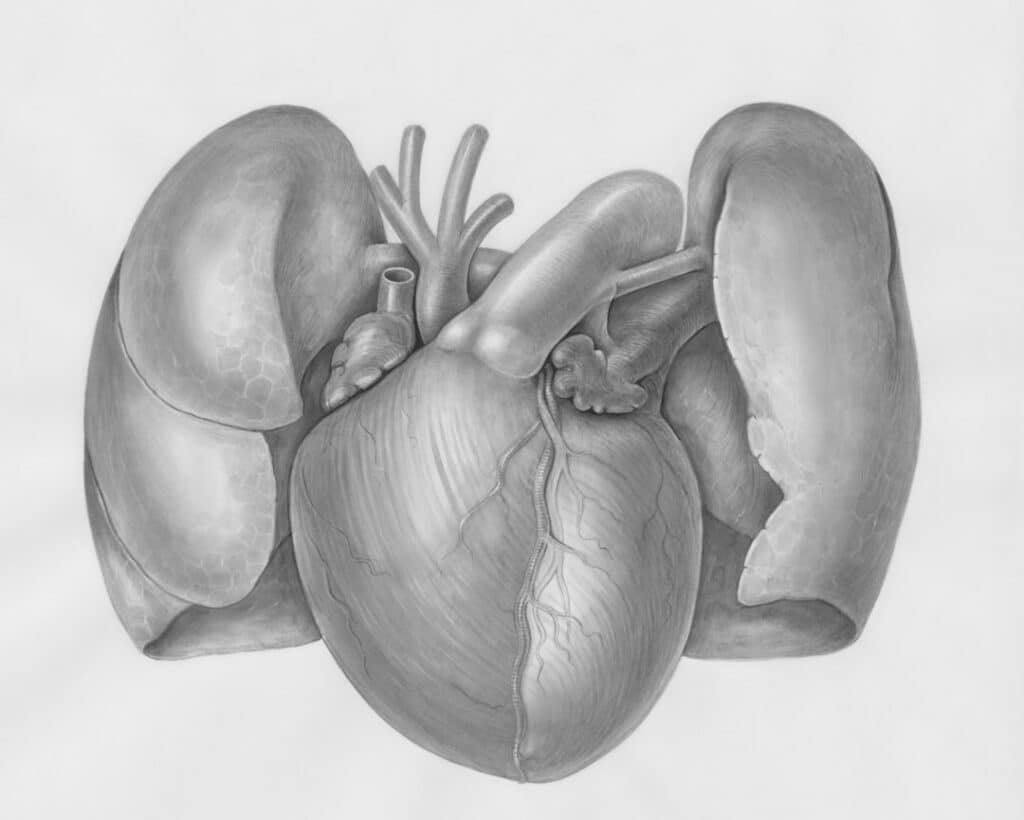
When you embark on a fitness journey, one of the key concepts you’ll encounter is the fat burner heart rate. This term refers to a specific range of heart rates that optimally promotes fat oxidation during exercise. Essentially, it’s the sweet spot where your body shifts from using carbohydrates as its primary fuel source to tapping into fat reserves.
Understanding this concept is crucial for anyone looking to lose weight or improve their overall fitness. By training within this heart rate zone, you can maximize your fat-burning potential and achieve your fitness goals more efficiently. Your fat burner heart rate is typically calculated as a percentage of your maximum heart rate, which is generally estimated by subtracting your age from 220.
For example, if you are 30 years old, your estimated maximum heart rate would be 190 beats per minute (bpm). The fat-burning zone usually falls between 60% to 70% of your maximum heart rate. This means that for a 30-year-old, the fat burner heart rate would be approximately between 114 and 133 bpm.
Understanding this range allows you to tailor your workouts to ensure you are effectively burning fat while exercising.
Key Takeaways
- Understanding the Fat Burner Heart Rate:
- The fat burner heart rate is the optimal heart rate range at which the body burns the most fat during exercise.
- How to Calculate Your Fat Burner Heart Rate:
- To calculate your fat burner heart rate, subtract your age from 220 and then multiply the result by 0.6 and 0.75.
- The Benefits of Exercising at Your Fat Burner Heart Rate:
- Exercising at your fat burner heart rate helps to maximize fat burning, improve cardiovascular health, and increase endurance.
- Different Types of Exercise to Reach Your Fat Burner Heart Rate:
- Activities such as brisk walking, cycling, swimming, and aerobics can help you reach and maintain your fat burner heart rate.
- Monitoring Your Heart Rate During Exercise:
- Use a heart rate monitor or check your pulse to ensure you are exercising within your fat burner heart rate zone.
- Tips for Maintaining Your Fat Burner Heart Rate:
- Stay hydrated, warm up properly, and focus on maintaining a steady pace to keep your heart rate within the fat burner zone.
- The Importance of Consistency in Reaching Your Fat Burner Heart Rate:
- Consistent exercise at your fat burner heart rate is key to seeing long-term fat loss and fitness improvements.
- Adjusting Your Fat Burner Heart Rate for Different Fitness Levels:
- Beginners should start at the lower end of the fat burner heart rate range and gradually increase as fitness improves.
- Common Mistakes to Avoid When Trying to Reach Your Fat Burner Heart Rate:
- Avoid pushing yourself too hard or not pushing hard enough, as both can prevent you from reaching your fat burner heart rate.
- Incorporating Interval Training to Maximize Fat Burner Heart Rate:
- Interval training can help you reach and maintain your fat burner heart rate while also boosting overall calorie burn.
- Consult with a Professional for Personalized Fat Burner Heart Rate Guidance:
- For personalized guidance on reaching and maintaining your fat burner heart rate, consult with a fitness professional or healthcare provider.
How to Calculate Your Fat Burner Heart Rate
Calculating your fat burner heart rate is a straightforward process that can empower you to take control of your fitness regimen. Start by determining your maximum heart rate using the simple formula: 220 minus your age. Once you have this number, you can easily find your fat-burning zone by calculating 60% and 70% of your maximum heart rate.
For instance, if you are 25 years old, your maximum heart rate would be 195 bpm. Therefore, your fat burner heart rate would range from approximately 117 bpm (60%) to 137 bpm (70%). It’s important to note that while this formula provides a good estimate, individual variations exist based on factors such as fitness level, genetics, and overall health.
Therefore, it may be beneficial to undergo a more precise assessment through a fitness professional or a cardiologist. They can provide you with a more accurate maximum heart rate and help you determine the most effective fat burner heart rate tailored specifically for you.
The Benefits of Exercising at Your Fat Burner Heart Rate

Exercising at your fat burner heart rate offers numerous benefits that extend beyond just weight loss. One of the primary advantages is improved cardiovascular health. When you maintain a steady heart rate within this zone, your heart becomes more efficient at pumping blood, which can lead to lower resting heart rates and reduced risk of heart disease over time.
Additionally, working out in this zone can enhance your endurance levels, allowing you to engage in physical activities for longer periods without fatigue. Another significant benefit is the psychological boost that comes from knowing you are effectively burning fat. This can lead to increased motivation and adherence to your fitness routine.
When you see tangible results from exercising at your fat burner heart rate, it reinforces positive behaviors and encourages you to push yourself further. Moreover, this type of training can be less taxing on your body compared to high-intensity workouts, making it a sustainable option for long-term fitness.
Different Types of Exercise to Reach Your Fat Burner Heart Rate
To effectively reach and maintain your fat burner heart rate, various types of exercises can be incorporated into your routine. Steady-state cardio activities such as brisk walking, jogging, cycling, or swimming are excellent choices. These exercises allow you to maintain a consistent pace that keeps your heart rate within the desired range for an extended period.
For instance, a leisurely bike ride or a long walk in the park can help you achieve this goal while also providing an enjoyable experience. In addition to steady-state cardio, incorporating low-impact exercises like yoga or Pilates can also contribute to reaching your fat burner heart rate. While these activities may not seem intense, they can elevate your heart rate sufficiently when performed at a moderate pace.
Furthermore, combining different types of exercises—such as alternating between walking and jogging—can keep your workouts fresh and engaging while still allowing you to target that crucial fat-burning zone.
Monitoring Your Heart Rate During Exercise
Monitoring your heart rate during exercise is essential for ensuring that you stay within your fat burner heart rate zone. There are several methods available for tracking your heart rate, ranging from traditional methods like manually checking your pulse to using modern technology such as fitness trackers or smartwatches. These devices often come equipped with heart rate monitors that provide real-time feedback on your heart rate, making it easier for you to adjust your intensity as needed.
Using a heart rate monitor can significantly enhance the effectiveness of your workouts. By receiving immediate feedback on whether you’re in the desired range, you can make quick adjustments to your pace or intensity. For example, if you find that your heart rate is too high, you might slow down or take a short break to allow it to drop back into the fat-burning zone.
Conversely, if you’re not reaching the desired level, you can increase the intensity of your workout until you find that sweet spot.
Tips for Maintaining Your Fat Burner Heart Rate
Maintaining your fat burner heart rate throughout your workout requires focus and strategy. One effective tip is to start with a proper warm-up to gradually elevate your heart rate before diving into more intense activity. This not only prepares your body for exercise but also helps prevent injury.
A warm-up could include dynamic stretches or light cardio activities that get your blood flowing without pushing you too hard too soon. Another useful strategy is to incorporate interval training into your routine. By alternating between periods of higher intensity and lower intensity, you can keep your heart rate fluctuating while still spending ample time in the fat-burning zone.
For example, during a jog, you might sprint for 30 seconds followed by a minute of walking or slow jogging. This method not only helps maintain your target heart rate but also adds variety to your workouts, making them more enjoyable.
The Importance of Consistency in Reaching Your Fat Burner Heart Rate
Consistency is key when it comes to effectively reaching and maintaining your fat burner heart rate over time. Regularly engaging in exercise within this zone helps condition your body to become more efficient at burning fat as fuel. The more consistently you work out at this intensity, the better your body adapts, leading to improved endurance and overall fitness levels.
Moreover, establishing a routine allows you to track progress more effectively. By consistently monitoring how long you can maintain your fat burner heart rate or how quickly you recover after workouts, you gain valuable insights into your fitness journey. This data not only serves as motivation but also helps inform any necessary adjustments to your training plan as you continue to evolve in your fitness journey.
Adjusting Your Fat Burner Heart Rate for Different Fitness Levels
As you progress in your fitness journey, it’s essential to adjust your fat burner heart rate according to your evolving fitness level. Beginners may find that their target range is lower than that of more experienced individuals due to differences in cardiovascular fitness and overall conditioning. As you become fitter, it’s likely that you’ll need to increase the intensity of your workouts to reach the same heart rate zone.
Listening to your body is crucial during this process. If you’re consistently able to maintain the lower end of the fat burner heart rate zone without feeling challenged, it may be time to increase the intensity or duration of your workouts. Conversely, if you’re struggling to reach this zone despite consistent effort, consider reassessing your approach or consulting with a fitness professional who can provide personalized guidance tailored to your current fitness level.
Common Mistakes to Avoid When Trying to Reach Your Fat Burner Heart Rate
While striving to reach and maintain your fat burner heart rate, there are several common mistakes that can hinder progress. One frequent error is neglecting proper warm-up and cool-down routines. Skipping these essential components can lead not only to ineffective workouts but also increase the risk of injury.
Always take the time to prepare your body for exercise and allow it to recover afterward. Another mistake is relying solely on perceived exertion rather than monitoring actual heart rates. While it’s important to listen to how you feel during exercise, subjective feelings can sometimes be misleading.
You might feel like you’re working hard but may not actually be in the desired heart rate zone. Using a heart rate monitor can help eliminate guesswork and ensure you’re training effectively.
Incorporating Interval Training to Maximize Fat Burner Heart Rate
Interval training is an excellent way to maximize the benefits of exercising at your fat burner heart rate while keeping workouts engaging and effective. This training method involves alternating between periods of high-intensity effort and lower-intensity recovery periods. For example, during a cycling session, you might pedal vigorously for one minute followed by two minutes of easy cycling.
This approach not only helps elevate and maintain your heart rate but also enhances overall cardiovascular fitness. Incorporating interval training into your routine allows for greater flexibility in achieving and sustaining your fat burner heart rate over time. It challenges both aerobic and anaerobic systems while keeping workouts varied and exciting.
Additionally, interval training has been shown to improve metabolic rates even after workouts have ended—an effect known as excess post-exercise oxygen consumption (EPOC). This means that by incorporating intervals into your routine, you’re not just burning calories during exercise but also revving up metabolism long after you’ve finished working out.
Consult with a Professional for Personalized Fat Burner Heart Rate Guidance
If you’re serious about optimizing your workouts and achieving specific fitness goals related to fat burning, consulting with a fitness professional can be invaluable. A certified trainer or exercise physiologist can provide personalized guidance tailored specifically for you based on factors such as age, current fitness level, and health status. They can help assess your maximum heart rate accurately and develop a customized training plan that aligns with reaching and maintaining your fat burner heart rate.
Additionally, working with a professional allows for ongoing support and accountability throughout your fitness journey. They can help monitor progress over time and make necessary adjustments based on how you’re responding to training stimuli. This personalized approach not only enhances effectiveness but also fosters a deeper understanding of how different exercises impact your body—ultimately empowering you on the path toward achieving lasting results in health and fitness.
In conclusion, understanding and effectively utilizing the concept of fat burner heart rates can significantly enhance your fitness journey. By calculating this target range accurately and incorporating various exercises while monitoring progress consistently, you’ll be well on your way toward achieving optimal results in fat loss and overall health improvement.
When it comes to optimizing your workout for fat loss, understanding the concept of the fat burner heart rate can be incredibly beneficial. This specific heart rate zone is where your body is most efficient at burning fat for fuel. For those looking to incorporate effective exercises into their routine, an excellent resource is the article on what exercises burn fat the fastest. This article provides insights into high-intensity workouts that can help you reach and maintain your fat burner heart rate, maximizing your fat loss potential.
FAQs
What is a fat burner heart rate?
A fat burner heart rate refers to the optimal heart rate range at which the body is most efficient at burning fat during exercise. This heart rate zone is typically around 60-70% of your maximum heart rate.
How do you calculate your fat burner heart rate?
To calculate your fat burner heart rate, you can use the formula: 220 – your age = maximum heart rate. Then, multiply your maximum heart rate by 0.6 and 0.7 to find the range for your fat burner heart rate.
What exercises can help you reach your fat burner heart rate?
Exercises such as brisk walking, cycling, swimming, and jogging can help you reach your fat burner heart rate. These activities are typically aerobic in nature and can be sustained for longer periods of time.
Is it safe to exercise at your fat burner heart rate?
Exercising at your fat burner heart rate is generally safe for most people. However, it’s important to listen to your body and consult with a healthcare professional before starting any new exercise regimen, especially if you have any underlying health conditions.
Can you lose weight by exercising at your fat burner heart rate?
Exercising at your fat burner heart rate can help you burn more fat during your workouts, which may contribute to weight loss over time when combined with a healthy diet and consistent exercise routine.