When it comes to achieving your fat-burning goals, fitness trackers can be invaluable tools. These devices not only provide you with real-time data about your physical activity but also help you stay motivated and accountable. By tracking your daily movements, you can gain insights into your habits and make informed decisions about your fitness journey.
You might find that simply being aware of your activity levels encourages you to move more throughout the day, whether that means taking the stairs instead of the elevator or going for a brisk walk during your lunch break. Moreover, fitness trackers often come equipped with features that allow you to set specific goals related to fat burning. For instance, you can establish daily step targets or calorie burn objectives, which can help you stay focused and committed to your fitness regimen.
The satisfaction of reaching these milestones can provide a significant boost to your motivation, making it easier to stick with your plan over the long term. Additionally, many fitness trackers offer social features that enable you to connect with friends or join challenges, further enhancing your commitment to achieving your fat-burning goals.
Key Takeaways
- Fitness trackers can help you monitor your heart rate during workouts, ensuring you stay in the optimal fat-burning zone.
- The best fitness trackers for tracking calories burned provide accurate data to help you reach your fat-burning goals.
- Using fitness trackers to set and achieve fat-burning goals can keep you motivated and on track with your progress.
- Tracking your activity levels with fitness trackers is important for maximizing fat burning and overall fitness.
- When choosing a fitness tracker for fat burning, consider factors such as accuracy, comfort, and compatibility with your workout routine.
How Fitness Trackers Can Help You Monitor Your Heart Rate During Workouts
Monitoring your heart rate during workouts is crucial for optimizing fat burning, and fitness trackers excel in this area. By keeping an eye on your heart rate, you can ensure that you’re exercising within the ideal intensity zone for fat loss. Most fitness trackers come with built-in heart rate monitors that provide real-time feedback, allowing you to adjust your workout intensity as needed.
This feature is particularly beneficial for high-intensity interval training (HIIT) or other forms of exercise where maintaining the right heart rate is essential for maximizing calorie burn. In addition to real-time monitoring, many fitness trackers also offer insights into your heart rate trends over time. By analyzing this data, you can identify patterns in your workouts and make adjustments to improve your performance.
For example, if you notice that your heart rate is consistently lower than expected during certain exercises, it may indicate that you need to increase the intensity or try different activities to challenge yourself further. This level of awareness can empower you to make smarter choices in your fitness routine, ultimately leading to more effective fat burning.
The Best Fitness Trackers for Tracking Calories Burned
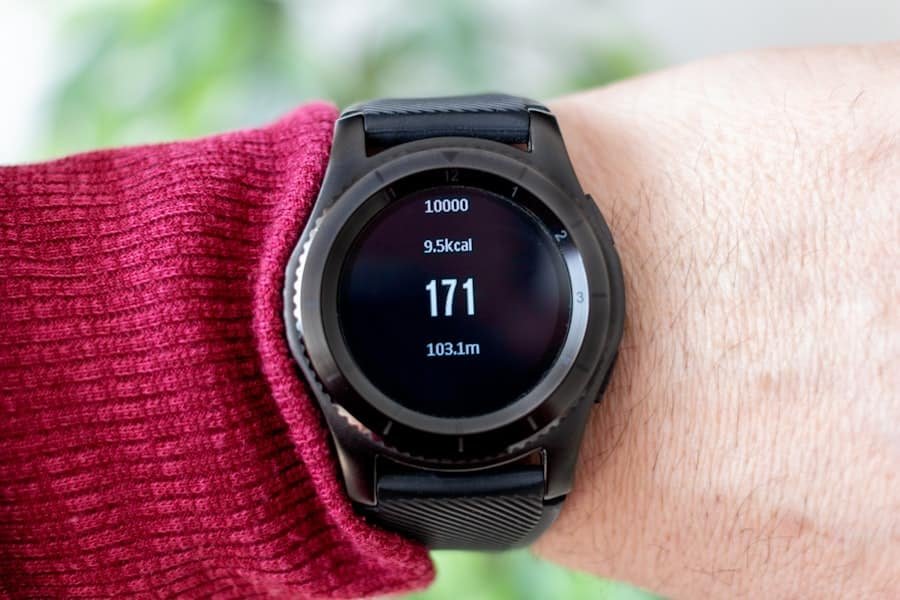
When selecting a fitness tracker specifically for tracking calories burned, it’s essential to consider the accuracy and reliability of the device. Some of the top contenders in the market include brands like Fitbit, Garmin, and Apple Watch, each offering unique features tailored to calorie tracking. For instance, Fitbit devices are known for their user-friendly interface and comprehensive app that allows you to log food intake alongside your activity levels, providing a holistic view of your caloric balance.
Garmin devices, on the other hand, are favored by serious athletes for their advanced metrics and GPS capabilities. If you’re someone who enjoys outdoor activities like running or cycling, a Garmin tracker can provide precise calorie burn estimates based on your specific workouts. The Apple Watch also stands out with its seamless integration into the Apple ecosystem, allowing you to track calories burned while receiving notifications and managing other aspects of your daily life.
Ultimately, the best fitness tracker for you will depend on your personal preferences and how you plan to use it in conjunction with your fat-burning efforts.
How to Use Fitness Trackers to Set and Achieve Fat Burning Goals
Setting achievable fat-burning goals is a critical step in your fitness journey, and fitness trackers can play a significant role in this process. Start by determining a realistic target based on your current activity levels and desired outcomes. For example, if you’re new to exercise, setting a goal of walking 10,000 steps per day might be a great starting point.
Your fitness tracker can help you monitor your progress toward this goal and provide reminders to keep you on track throughout the day. Once you’ve established your initial goals, use the data collected by your fitness tracker to adjust them as needed. If you find that you’re consistently meeting your step target, consider increasing it gradually to continue challenging yourself.
Additionally, many fitness trackers allow you to set specific fat-burning workouts or challenges within their apps. Engaging in these activities not only helps you stay focused but also adds an element of fun and variety to your routine, making it easier to stick with your fat-burning plan over time.
The Importance of Tracking Your Activity Levels for Fat Burning
Tracking your activity levels is essential for effective fat burning because it provides a clear picture of how much energy you’re expending throughout the day. Many people underestimate their daily activity levels, which can lead to unrealistic expectations regarding weight loss or fat loss. By using a fitness tracker, you gain access to accurate data that reflects not only structured workouts but also everyday movements like walking, cleaning, or even fidgeting.
This comprehensive view of your activity levels allows you to identify opportunities for improvement. For instance, if you notice that you’re primarily sedentary during the day, you might decide to incorporate more movement into your routine by taking short breaks to stretch or walk around. By making small adjustments based on the data from your fitness tracker, you can significantly increase your overall calorie expenditure and enhance your fat-burning efforts.
Comparing Different Types of Fitness Trackers for Fat Burning
When it comes to choosing a fitness tracker for fat burning, you’ll find various types available on the market, each with its own set of features and capabilities. Basic pedometers are great for tracking steps but may lack advanced functionalities like heart rate monitoring or calorie tracking. On the other hand, smartwatches offer a more comprehensive approach by combining fitness tracking with smartphone capabilities such as notifications and apps.
Wearable devices like chest straps or armbands provide highly accurate heart rate data but may not be as convenient for everyday wear compared to wrist-based trackers. If you’re looking for something more specialized, consider options designed specifically for athletes or those engaged in high-intensity training. These devices often come equipped with advanced metrics that can help you fine-tune your workouts for optimal fat burning.
Tips for Choosing the Right Fitness Tracker for Your Fat Burning Goals
Selecting the right fitness tracker involves considering several factors that align with your personal preferences and fat-burning objectives. First and foremost, think about what features are most important to you. If heart rate monitoring is a priority, look for devices known for their accuracy in this area.
If you’re interested in tracking specific workouts or sports activities, ensure that the tracker supports those functions. Another critical aspect is compatibility with mobile apps and platforms. Many fitness trackers sync with companion apps that allow you to analyze data more comprehensively and set goals effectively.
Make sure the app is user-friendly and offers features that resonate with your needs. Additionally, consider battery life and design; you’ll want a device that fits comfortably into your lifestyle without requiring constant recharging.
Incorporating Fitness Trackers into Your Fat Burning Workout Routine
Integrating a fitness tracker into your fat-burning workout routine can enhance both motivation and effectiveness. Start by using it during all forms of exercise—whether it’s running, cycling, or strength training—to monitor heart rate and calories burned accurately. This data will help you understand which workouts yield the best results in terms of fat loss.
Moreover, consider using the tracker’s features to create structured workout plans or challenges that keep things fresh and exciting. For example, set weekly goals based on distance run or calories burned during strength training sessions. By incorporating these elements into your routine, you’ll not only stay engaged but also continuously push yourself toward achieving those fat-burning objectives.
In conclusion, fitness trackers are powerful allies in your quest for effective fat burning. By providing valuable insights into your activity levels and helping you monitor key metrics like heart rate and calories burned, these devices empower you to make informed decisions about your fitness journey. Whether you’re setting goals or adjusting your routine based on real-time data, incorporating a fitness tracker into your lifestyle can lead to significant improvements in both motivation and results.
If you are interested in fat burning supplements for women, you may want to check out this article on fat burning supplements for women. This article provides information on different supplements that can help boost your metabolism and aid in fat burning. It is a great resource for women looking to enhance their weight loss journey.
FAQs
What are fitness trackers?
Fitness trackers are wearable devices that monitor and track fitness-related metrics such as steps taken, distance traveled, calories burned, and heart rate.
How do fitness trackers help with fat burning?
Fitness trackers can help with fat burning by providing real-time data on your physical activity and heart rate, allowing you to monitor and adjust your workouts for maximum fat burning potential.
What features should I look for in a fitness tracker for fat burning?
When choosing a fitness tracker for fat burning, look for features such as heart rate monitoring, GPS tracking, and the ability to track specific workouts like running, cycling, or HIIT.
Are fitness trackers accurate for measuring fat burning?
While fitness trackers can provide a good estimate of calories burned and heart rate, they may not be 100% accurate. However, they can still be a useful tool for tracking progress and making adjustments to your workouts.
Can fitness trackers help with weight loss?
Fitness trackers can be a helpful tool for weight loss by providing data on physical activity and helping to create a calorie deficit. However, weight loss ultimately depends on a combination of diet, exercise, and overall lifestyle choices.