
When you think about weight loss, fats might not be the first thing that comes to mind. You may have been led to believe that cutting out fats entirely is the key to shedding those extra pounds. However, understanding the role of fats in your diet is crucial for achieving sustainable weight loss.
Fats are not just a source of energy; they play a vital role in various bodily functions, including hormone production, nutrient absorption, and cell structure. By recognizing the importance of fats, you can make informed choices that support your weight loss journey. Incorporating healthy fats into your diet can actually aid in weight loss rather than hinder it.
Fats are more calorie-dense than carbohydrates or proteins, which means they can help you feel fuller for longer periods. This satiety can prevent overeating and snacking on unhealthy options. Additionally, healthy fats can help stabilize your blood sugar levels, reducing cravings and promoting a more balanced energy level throughout the day.
By understanding how fats function in your body, you can leverage their benefits to support your weight loss goals.
Key Takeaways
- Healthy fats play a crucial role in weight loss by promoting satiety and supporting metabolic function.
- Types of healthy fats for fat loss include monounsaturated fats, polyunsaturated fats, and omega-3 fatty acids.
- Incorporate healthy fats into your diet by adding avocado, nuts, seeds, and fatty fish to your meals.
- Benefits of healthy fats for fat loss include improved heart health, reduced inflammation, and better nutrient absorption.
- Cooking with healthy fats such as olive oil and coconut oil can enhance the flavor and nutritional value of your meals.
Types of Healthy Fats for Fat Loss
Not all fats are created equal, and distinguishing between healthy and unhealthy fats is essential for effective weight management. Healthy fats primarily come from plant-based sources and certain animal products. Monounsaturated and polyunsaturated fats are the two main types of healthy fats that you should focus on incorporating into your diet.
Foods rich in these fats include avocados, nuts, seeds, olive oil, and fatty fish like salmon and mackerel. These fats not only provide essential fatty acids but also contribute to overall health. Omega-3 fatty acids, a type of polyunsaturated fat found in fish and flaxseeds, are particularly beneficial for weight loss.
They have been shown to reduce inflammation and improve metabolic health, which can enhance fat burning. Additionally, medium-chain triglycerides (MCTs), found in coconut oil, are rapidly absorbed by the body and can be used as a quick source of energy. By including these types of healthy fats in your diet, you can create a balanced approach to fat loss that supports your overall well-being.
Incorporating Healthy Fats into Your Diet

Integrating healthy fats into your daily meals doesn’t have to be complicated. Start by making small changes to your existing meals. For instance, you can drizzle olive oil over your salads or use it as a base for homemade dressings.
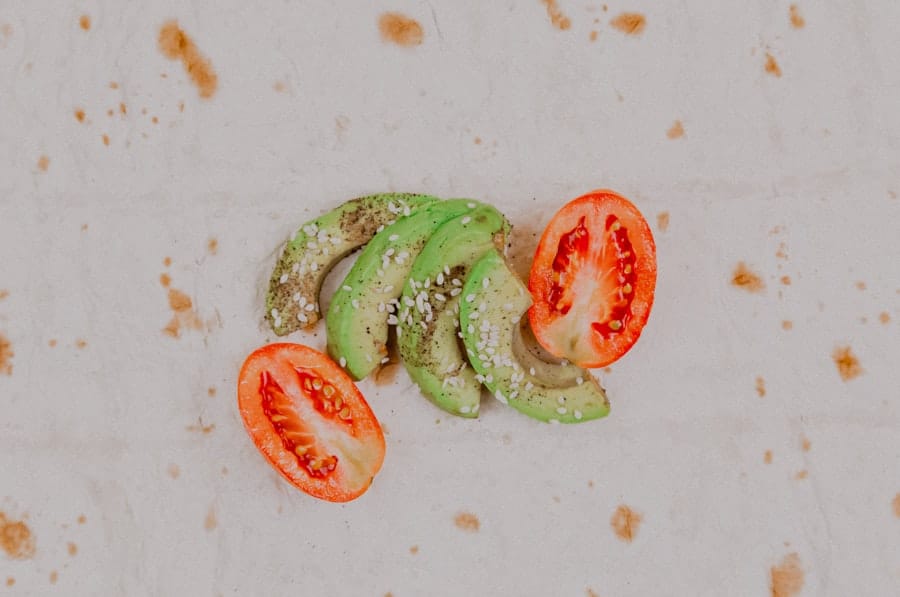
Instead of reaching for butter or margarine, consider spreading avocado on your toast or using nut butters as a delicious alternative. These simple swaps can significantly increase your intake of healthy fats without requiring drastic changes to your eating habits. Another effective way to incorporate healthy fats is by snacking smartly.
Instead of opting for processed snacks that are high in unhealthy fats and sugars, choose options like mixed nuts, hummus with vegetable sticks, or Greek yogurt topped with seeds. These snacks not only provide healthy fats but also offer additional nutrients that support your overall health. By being mindful of your fat sources and making conscious choices, you can easily enhance your diet with beneficial fats that promote fat loss.
Benefits of Healthy Fats for Fat Loss
The benefits of healthy fats extend beyond mere weight loss; they contribute to overall health and well-being. One significant advantage is their ability to improve heart health. Healthy fats can help lower bad cholesterol levels while raising good cholesterol levels, reducing the risk of heart disease.
This is particularly important as you work towards your weight loss goals since maintaining a healthy heart is crucial for sustaining energy levels and physical activity. Moreover, healthy fats play a role in brain health and cognitive function. They provide essential nutrients that support brain development and function, which can enhance focus and concentration during your weight loss journey.
When you feel mentally sharp, you’re more likely to make better food choices and stick to your exercise routine. By embracing healthy fats as part of your diet, you’re not only working towards fat loss but also investing in your long-term health.
Cooking with Healthy Fats
Cooking with healthy fats can elevate the flavor of your meals while providing essential nutrients. Instead of frying foods in unhealthy oils, consider using olive oil or avocado oil for sautéing vegetables or drizzling over roasted dishes. These oils not only add richness but also enhance the nutritional profile of your meals.
You might find that cooking with healthy fats makes your dishes more satisfying and enjoyable. Baking is another area where you can incorporate healthy fats seamlessly. Instead of using butter or shortening in recipes, try substituting with coconut oil or nut butters.
These alternatives can add unique flavors while providing the benefits of healthy fats. Additionally, when preparing smoothies or shakes, adding a tablespoon of flaxseed oil or chia seeds can boost the omega-3 content and create a creamy texture without compromising on taste.
Avoiding Unhealthy Fats
While it’s essential to include healthy fats in your diet, it’s equally important to avoid unhealthy fats that can sabotage your weight loss efforts. Trans fats and excessive saturated fats are often found in processed foods, fried items, and baked goods. These unhealthy fats can lead to weight gain and increase the risk of chronic diseases such as heart disease and diabetes.
Being aware of food labels and ingredient lists can help you steer clear of these harmful fats. When dining out or purchasing packaged foods, take a moment to check for trans fats or hydrogenated oils in the ingredients. Opt for whole foods whenever possible, as they are less likely to contain unhealthy additives.
By making conscious choices about the types of fats you consume, you can protect your health while still enjoying delicious meals that support your weight loss goals.
Balancing Healthy Fats in Your Diet
Finding the right balance of healthy fats in your diet is crucial for achieving optimal results in your weight loss journey. While incorporating healthy fats is beneficial, moderation is key since they are calorie-dense foods. Aim to fill about 20-35% of your daily caloric intake with healthy fats while ensuring you’re also consuming adequate amounts of carbohydrates and proteins.
This balanced approach will help you maintain energy levels while promoting fat loss. To achieve this balance, consider planning your meals ahead of time. This allows you to allocate specific portions for each macronutrient group while ensuring you’re meeting your nutritional needs.
You might find it helpful to keep a food diary or use apps that track your macronutrient intake. By being mindful of how much fat you’re consuming alongside other nutrients, you can create a well-rounded diet that supports both weight loss and overall health.
Tips for Maximizing the Fat-Burning Benefits of Healthy Fats
To truly maximize the fat-burning benefits of healthy fats, consider implementing a few strategic tips into your routine. First, pair healthy fats with fiber-rich foods such as vegetables or whole grains. This combination not only enhances satiety but also helps regulate blood sugar levels, keeping cravings at bay.
For example, adding avocado slices to a whole grain wrap filled with veggies creates a satisfying meal that fuels your body effectively. Another effective strategy is to incorporate physical activity into your daily routine alongside a diet rich in healthy fats. Exercise helps increase metabolism and promotes fat oxidation, making it easier for your body to utilize stored fat as energy.
Whether it’s through strength training or cardiovascular workouts, staying active will complement your dietary efforts and enhance overall fat loss. In conclusion, understanding the role of healthy fats in weight loss is essential for achieving lasting results. By incorporating various types of healthy fats into your diet while avoiding unhealthy options, you can create a balanced approach that supports both fat loss and overall health.
Cooking with healthy fats and being mindful of portion sizes will further enhance your journey toward a healthier lifestyle. With these strategies in mind, you’re well-equipped to maximize the benefits of healthy fats and achieve your weight loss goals effectively.
If you are looking to incorporate healthy fats into your diet for fat loss, you may also be interested in learning about the best fat burner pills available on the market. These supplements can help boost your metabolism and aid in burning fat more efficiently. Check out this article on the best fat burner pills to find out more about how they can complement your healthy fats intake for optimal weight loss results.
FAQs
What are healthy fats?
Healthy fats are unsaturated fats that are beneficial for our health. They can be found in foods like avocados, nuts, seeds, and fatty fish.
How do healthy fats help with fat loss?
Healthy fats can help with fat loss by promoting satiety, which can help control appetite and prevent overeating. They also play a role in hormone production and can help the body absorb certain nutrients.
What are some examples of foods that contain healthy fats?
Some examples of foods that contain healthy fats include avocados, olive oil, almonds, salmon, and flaxseeds.
How much healthy fats should be included in a fat loss diet?
The American Heart Association recommends that healthy fats should make up 25-35% of total daily calories. It’s important to focus on incorporating a variety of healthy fats into the diet.
Are all fats bad for fat loss?
No, not all fats are bad for fat loss. In fact, healthy fats are an important part of a balanced diet and can support fat loss when consumed in moderation. It’s important to limit intake of unhealthy fats like trans fats and saturated fats.