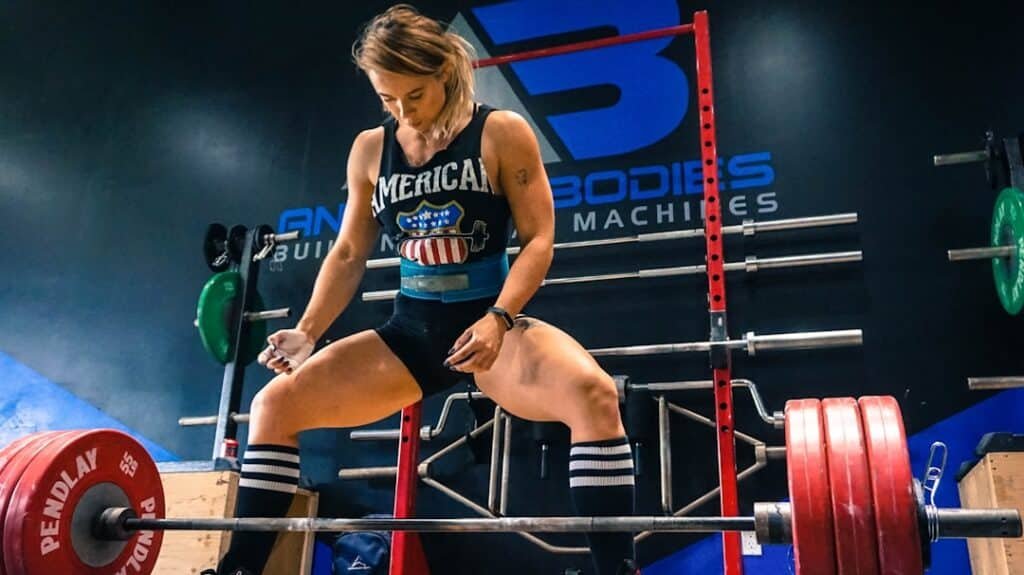
To embark on your journey of fat burning and muscle building, it’s essential to grasp the fundamental principles that govern these processes. Fat burning occurs when your body utilizes stored fat as a source of energy, which typically happens during periods of caloric deficit. This means that you need to consume fewer calories than your body expends.
On the other hand, muscle building, or hypertrophy, requires a caloric surplus along with adequate protein intake to repair and grow muscle fibers after they have been stressed during workouts. Understanding this balance is crucial for achieving your fitness goals. Moreover, it’s important to recognize that fat burning and muscle building can occur simultaneously, especially for beginners or those returning after a break.
This phenomenon, often referred to as body recomposition, allows you to lose fat while gaining muscle. However, achieving this balance requires a strategic approach to both diet and exercise. You must be mindful of your macronutrient ratios, workout intensity, and recovery periods to optimize your results.
By understanding these basics, you can set a solid foundation for your fitness journey.
Key Takeaways
- Understanding the basics of fat burning and muscle building is essential for achieving fitness goals.
- Creating a balanced and effective workout routine involves incorporating a mix of cardio, strength training, and flexibility exercises.
- Incorporating high-intensity interval training (HIIT) into your workouts can help boost metabolism and burn fat more effectively.
- Eating a nutritious and protein-rich diet is crucial for supporting muscle growth and recovery.
- Incorporating strength training exercises into your workout routine is important for building and toning muscles.
- Getting enough rest and recovery is essential for muscle growth and overall fitness progress.
- Monitoring progress and making adjustments to your workout and diet plan is important for achieving optimal results.
- Seeking professional guidance and support can help ensure that you are following a safe and effective fitness plan.
Creating a balanced and effective workout routine
Crafting a balanced and effective workout routine is vital for achieving your fitness goals. Start by assessing your current fitness level and determining what you want to accomplish. Whether your aim is to lose weight, build muscle, or improve overall fitness, your routine should reflect these objectives.
A well-rounded program typically includes cardiovascular exercises, strength training, and flexibility work. This combination not only helps in burning fat but also promotes muscle growth and enhances overall physical performance. When designing your routine, consider the frequency and duration of your workouts.
Aim for at least three to five sessions per week, incorporating both high-intensity workouts and moderate exercises. For instance, you might dedicate two days to strength training, two days to cardio, and one day to flexibility or active recovery. Additionally, ensure that you vary your workouts to prevent plateaus and keep things interesting.
By mixing different exercises and modalities, you can challenge your body in new ways, which is essential for continuous improvement.
Incorporating high-intensity interval training (HIIT) into your workouts
High-intensity interval training (HIIT) has gained popularity for its efficiency in burning fat and improving cardiovascular fitness in a short amount of time. This training method involves alternating between short bursts of intense activity and periods of rest or lower-intensity exercise. For you, incorporating HIIT into your routine can be a game-changer, allowing you to maximize calorie burn while minimizing workout time.
To get started with HIIT, choose exercises that you enjoy and can perform at a high intensity. This could include sprints, cycling, or bodyweight exercises like burpees or jump squats. A typical HIIT session might last anywhere from 15 to 30 minutes, making it easy to fit into a busy schedule.
As you progress, you can increase the intensity or duration of the high-intensity intervals to continue challenging yourself. Remember that proper form is crucial during these intense bursts to prevent injury and ensure effectiveness.
Eating a nutritious and protein-rich diet to support muscle growth
Nutrition plays a pivotal role in supporting your muscle growth and overall fitness journey. A nutritious diet rich in whole foods will provide the essential vitamins and minerals needed for optimal performance and recovery. Focus on incorporating a variety of fruits, vegetables, whole grains, and healthy fats into your meals.
These foods not only fuel your workouts but also aid in recovery by reducing inflammation and promoting overall health. Protein is particularly important for muscle growth, as it provides the building blocks necessary for repairing and building muscle tissue. Aim to include a source of protein in every meal—this could be lean meats, fish, eggs, dairy products, or plant-based options like beans and lentils.
A general guideline is to consume around 1.6 to 2.2 grams of protein per kilogram of body weight daily if you’re looking to build muscle. Additionally, consider timing your protein intake around your workouts; consuming protein shortly after exercising can enhance recovery and muscle synthesis.
Incorporating strength training exercises into your workout routine
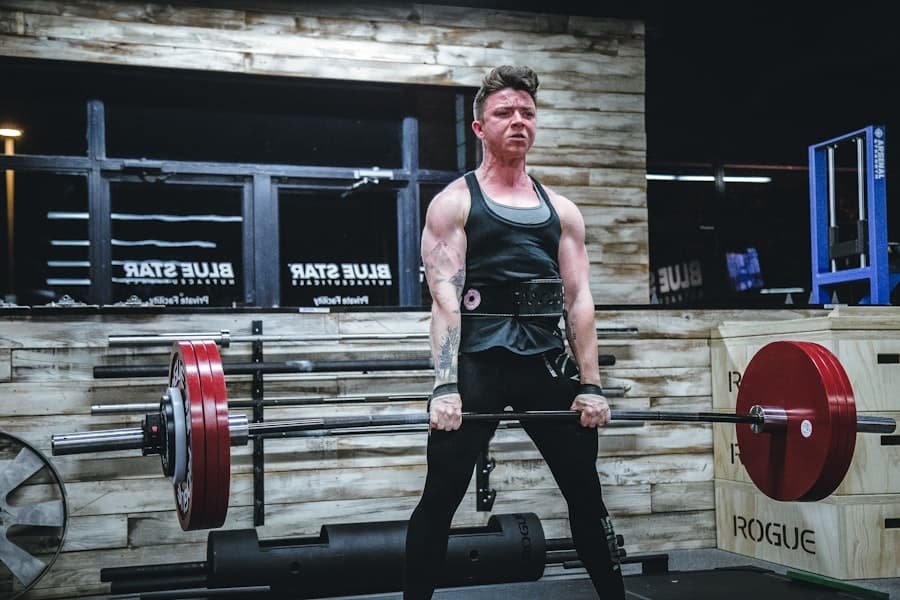
Strength training is a cornerstone of any effective fitness program aimed at building muscle and burning fat. By incorporating resistance exercises into your routine, you stimulate muscle fibers to grow stronger and larger over time. You can use free weights, resistance bands, or even your body weight to perform strength training exercises.
The key is to focus on compound movements that engage multiple muscle groups simultaneously—think squats, deadlifts, bench presses, and rows. As you integrate strength training into your workouts, aim for at least two to three sessions per week. Start with lighter weights to master the form before gradually increasing the resistance as you become more comfortable.
It’s also beneficial to follow a structured program that includes progressive overload—this means gradually increasing the weight or resistance over time to continue challenging your muscles. By doing so, you’ll not only build strength but also enhance your metabolism, which aids in fat loss.
Getting enough rest and recovery to support muscle growth
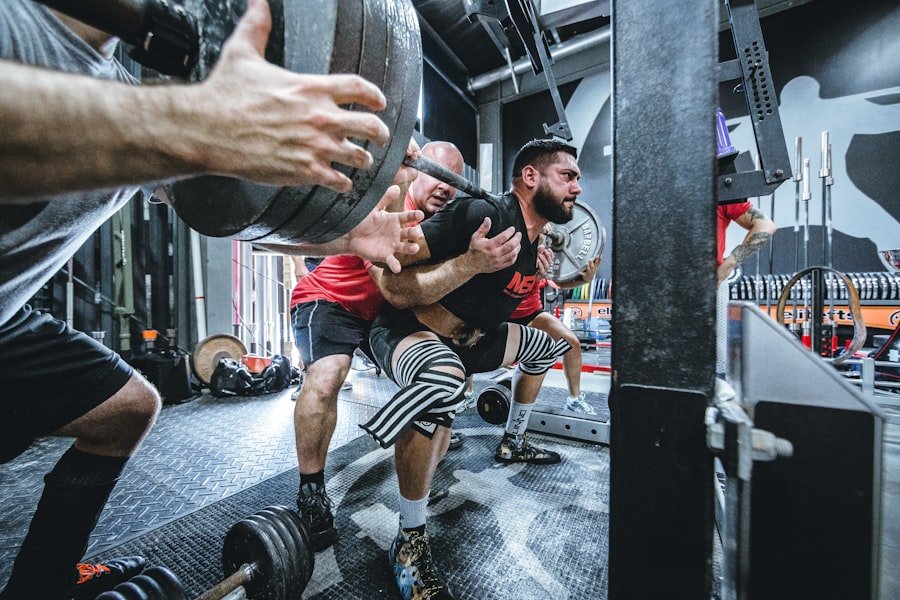
Rest and recovery are often overlooked aspects of fitness but are crucial for muscle growth and overall performance. When you engage in intense workouts, you create micro-tears in your muscle fibers; it’s during the recovery phase that these fibers repair and grow stronger. Therefore, ensuring adequate rest is essential for maximizing the benefits of your training efforts.
Aim for at least one full rest day each week to allow your body time to recover fully. Additionally, prioritize sleep—aim for seven to nine hours per night—as this is when most recovery processes occur. If you’re feeling fatigued or sore from previous workouts, consider incorporating active recovery days where you engage in low-intensity activities like walking or yoga.
This approach helps maintain blood flow to the muscles without adding additional stress.
Monitoring progress and making adjustments to your workout and diet plan
To achieve optimal results in your fitness journey, it’s important to monitor your progress regularly and make necessary adjustments to both your workout routine and diet plan. Keeping track of your workouts can help you identify patterns in performance and areas that may need improvement. Consider using a journal or fitness app to log your exercises, weights lifted, and any changes in body measurements or weight.
As you monitor your progress, be open to making adjustments based on what works best for you. If you find that you’re not seeing the desired results after several weeks of consistent effort, it may be time to reassess your caloric intake or modify your workout intensity. Remember that everyone’s body responds differently; what works for one person may not work for another.
By staying flexible and willing to adapt your approach, you can continue moving toward your goals effectively.
Seeking professional guidance and support for optimal results
While self-guided fitness journeys can be rewarding, seeking professional guidance can significantly enhance your results. Personal trainers or nutritionists can provide tailored advice based on your individual needs and goals. They can help you design a personalized workout plan that aligns with your objectives while ensuring proper form during exercises to prevent injury.
Additionally, working with professionals can offer accountability—having someone who checks in on your progress can motivate you to stay committed to your routine. They can also provide valuable insights into nutrition that may be difficult to navigate on your own. Whether you’re just starting out or looking to break through a plateau, enlisting the help of experts can provide the support needed for optimal results on your fitness journey.
In conclusion, understanding the basics of fat burning and muscle building sets the stage for creating an effective workout routine that incorporates various training methods like HIIT and strength training while emphasizing the importance of nutrition and recovery. By monitoring progress and seeking professional guidance when needed, you can navigate the complexities of fitness with confidence and achieve lasting results tailored specifically for you.
If you’re looking to learn more about burning belly fat fast, check out this article on how to burn belly fat fast with a workout. This article provides tips and exercises to help you target stubborn belly fat and achieve your fitness goals. Additionally, if you’re interested in understanding the impact of pancreatitis on your body and weight loss journey, you may want to read this article on pancreatitis. Lastly, if you’re curious about how to burn fat while sleeping, this article on burning fat while sleeping offers insights and strategies to help you maximize your fat-burning potential even while you rest.
FAQs
What is the best way to burn fat and put on muscle?
The best way to burn fat and put on muscle is through a combination of regular exercise, including both cardiovascular and strength training, and a balanced diet that includes plenty of protein and healthy fats.
How often should I exercise to burn fat and build muscle?
For optimal results, it is recommended to engage in at least 150 minutes of moderate-intensity aerobic activity or 75 minutes of vigorous-intensity aerobic activity per week, along with muscle-strengthening activities on two or more days a week.
What should I eat to support fat burning and muscle building?
To support fat burning and muscle building, it is important to consume a diet that is high in protein, healthy fats, and complex carbohydrates. Foods such as lean meats, fish, eggs, nuts, seeds, fruits, vegetables, and whole grains are all beneficial for this purpose.
Is it possible to burn fat and build muscle at the same time?
Yes, it is possible to burn fat and build muscle at the same time, especially for individuals who are new to exercise or returning to exercise after a period of inactivity. This can be achieved through a combination of strength training, cardiovascular exercise, and a balanced diet.
How long does it take to see results from burning fat and building muscle?
The timeline for seeing results from burning fat and building muscle can vary depending on individual factors such as genetics, diet, exercise routine, and consistency. Generally, noticeable changes can be seen within a few weeks to a few months of consistent effort.