When it comes to achieving your weight loss goals, hydration is often an overlooked yet crucial factor. You might be surprised to learn that water plays a significant role in your body’s ability to burn fat effectively. Staying adequately hydrated can enhance your metabolic processes, improve your energy levels, and even help you manage your appetite.
As you embark on your fat loss journey, understanding the importance of hydration can empower you to make better choices that support your goals. Water is essential for nearly every function in your body, including digestion, circulation, and temperature regulation. When you are well-hydrated, your body can perform these functions more efficiently, which can lead to improved fat oxidation.
Additionally, drinking enough water can help you maintain optimal energy levels, allowing you to engage in physical activities that promote fat loss. By prioritizing hydration, you set the stage for a more effective weight loss strategy that goes beyond just diet and exercise.
Key Takeaways
- Proper hydration is essential for fat loss as it helps to regulate metabolism and aids in the breakdown of fat cells.
- Dehydration can hinder weight loss by slowing down the metabolism and reducing the body’s ability to burn fat.
- Water plays a crucial role in metabolism and fat burning, as it helps to transport nutrients and oxygen to cells and remove waste products.
- Tips for staying hydrated throughout the day include carrying a water bottle, setting reminders to drink water, and consuming hydrating foods and beverages.
- Water can help control appetite by filling the stomach and reducing the likelihood of overeating, making it an important factor in weight loss.
How Dehydration Can Hinder Weight Loss
Dehydration can be a significant barrier to achieving your weight loss goals. When you are not drinking enough water, your body may enter a state of stress, which can lead to hormonal imbalances that hinder fat loss. Cortisol, the stress hormone, can increase when you are dehydrated, promoting fat storage rather than fat burning.
This means that even if you are following a strict diet and exercise regimen, dehydration could be sabotaging your efforts. Moreover, dehydration can lead to fatigue and decreased motivation. When you feel tired and sluggish, the last thing you want to do is hit the gym or prepare healthy meals.
This can create a vicious cycle where lack of hydration leads to poor food choices and reduced physical activity, ultimately stalling your weight loss progress. By recognizing the signs of dehydration and making a conscious effort to drink more water, you can break this cycle and support your fat loss journey.
The Role of Water in Metabolism and Fat Burning
Water is not just a passive element in your body; it actively participates in metabolic processes that are vital for fat burning. When you consume food, your body requires water to help break down nutrients and transport them to cells for energy. This process is known as digestion, and without sufficient water, it can become inefficient.
If your metabolism is sluggish due to dehydration, you may find it challenging to lose weight effectively. Additionally, studies have shown that drinking water can temporarily boost your metabolic rate. When you drink cold water, your body expends energy to warm it up to body temperature, resulting in a slight increase in calorie expenditure.
This thermogenic effect may seem small, but over time, it can contribute to a more significant caloric deficit that supports fat loss. By incorporating adequate hydration into your daily routine, you can enhance your metabolism and create an environment conducive to burning fat.
Tips for Staying Hydrated Throughout the Day
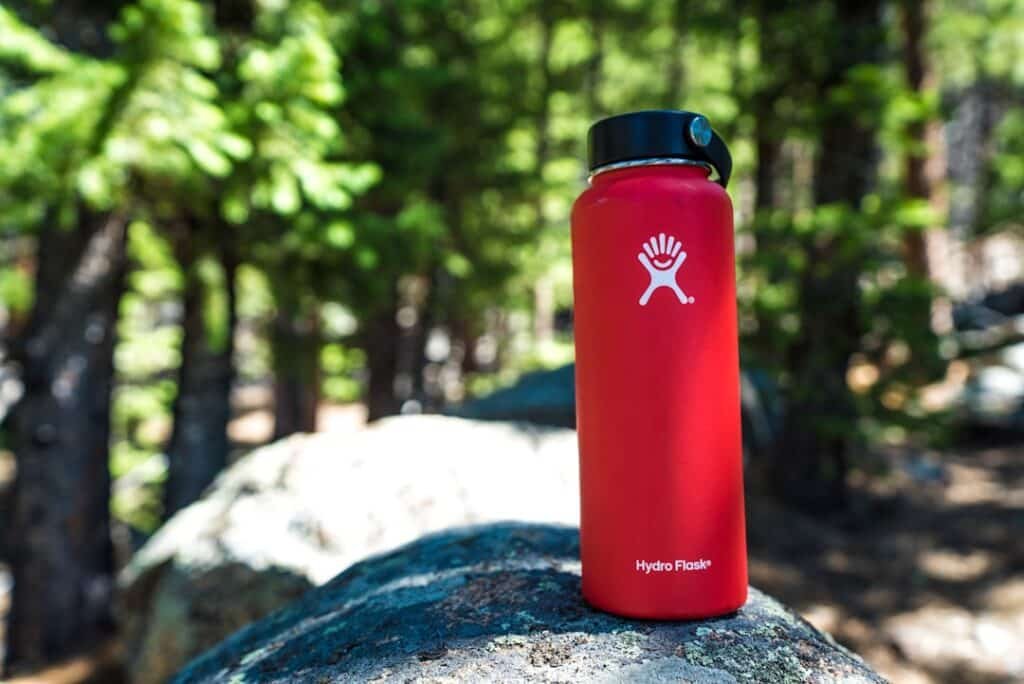
Staying hydrated throughout the day doesn’t have to be a daunting task. One effective strategy is to carry a reusable water bottle with you wherever you go. This not only serves as a constant reminder to drink water but also makes it convenient for you to sip throughout the day.
Aim to refill your bottle several times daily and set specific goals for how much water you want to consume by certain times. Another helpful tip is to incorporate hydration into your daily routine by drinking a glass of water before each meal. This practice not only helps you stay hydrated but can also aid in portion control by making you feel fuller before eating.
Additionally, consider setting reminders on your phone or using hydration-tracking apps to keep yourself accountable. By implementing these simple strategies, you can ensure that hydration becomes an integral part of your lifestyle.
The Connection Between Water and Appetite Control
You may not realize it, but there is a strong connection between hydration and appetite control. Often, when you feel hungry, your body may actually be signaling thirst instead. This confusion can lead to unnecessary snacking or overeating when all your body really needs is water.
By staying hydrated, you can help mitigate these false hunger signals and make more mindful eating choices. Research has shown that drinking water before meals can help reduce overall calorie intake. When you fill up on water prior to eating, you may find that you consume fewer calories during the meal itself.
This simple habit can be an effective tool in managing your appetite and supporting your weight loss efforts. By being aware of the relationship between hydration and hunger cues, you can take proactive steps toward better appetite control.
Hydrating Foods and Beverages for Weight Loss
In addition to drinking water, incorporating hydrating foods into your diet can significantly contribute to your overall hydration levels. Fruits and vegetables with high water content—such as cucumbers, watermelon, oranges, and strawberries—are excellent choices for both hydration and weight loss. These foods are typically low in calories but high in nutrients, making them ideal for anyone looking to shed pounds while staying nourished.
Moreover, herbal teas and infused waters can be delightful alternatives to plain water. These beverages not only provide hydration but also offer various health benefits depending on the ingredients used. For instance, green tea has been linked to increased fat oxidation and metabolism due to its antioxidant properties.
By diversifying your sources of hydration with these options, you can make staying hydrated enjoyable while supporting your weight loss goals.
How to Calculate Your Daily Water Intake for Fat Loss
Determining how much water you should drink daily can vary based on several factors such as age, weight, activity level, and climate. A common guideline is to aim for at least half of your body weight in ounces of water each day. For example, if you weigh 150 pounds, striving for 75 ounces of water would be a good starting point.
However, if you engage in regular exercise or live in a hot climate, you may need to increase this amount. Another method for calculating your daily water intake is the “8×8 rule,” which suggests drinking eight 8-ounce glasses of water daily—approximately 2 liters or half a gallon. While this rule is easy to remember, it’s essential to listen to your body’s signals as well.
If you feel thirsty or notice darker urine color, these are signs that you may need more fluids. By being mindful of your hydration needs and adjusting accordingly, you can optimize your water intake for effective fat loss.
Hydration and Exercise: Maximizing Fat Loss through Proper Fluid Intake
Proper hydration is especially critical when it comes to exercise and maximizing fat loss. When you work out, your body loses fluids through sweat and respiration; therefore, replenishing those fluids is vital for maintaining performance and preventing dehydration-related fatigue. If you’re not adequately hydrated before exercising, you may find yourself feeling sluggish or unable to push through intense workouts.
To optimize fat loss during exercise, aim to drink water before, during, and after your workouts. A good rule of thumb is to drink at least 16-20 ounces of water two hours before exercising and then continue sipping throughout your workout session. Post-exercise hydration is equally important; replenishing lost fluids helps with recovery and prepares your body for future workouts.
By prioritizing hydration around your exercise routine, you can enhance performance and support your overall fat loss efforts effectively. In conclusion, understanding the multifaceted role of hydration in fat loss is essential for anyone looking to achieve their weight loss goals. From enhancing metabolism and appetite control to maximizing exercise performance, staying hydrated is a key component of an effective weight loss strategy.
By implementing practical tips for hydration and being mindful of your fluid intake throughout the day, you can create a supportive environment for achieving lasting results on your journey toward better health and fitness.
If you are looking to build muscle or burn fat, check out this article on building muscle or burning fat. It provides valuable information on how to achieve your fitness goals through proper nutrition and exercise. Remember, hydration plays a crucial role in fat loss, so make sure to stay hydrated throughout your fitness journey.
FAQs
What is the importance of hydration for fat loss?
Proper hydration is essential for fat loss as it helps to regulate metabolism, improve digestion, and support the body’s ability to burn fat.
How much water should I drink for fat loss?
The general recommendation is to drink at least 8-10 glasses of water per day, but individual needs may vary based on factors such as body size, activity level, and climate.
Can dehydration hinder fat loss?
Yes, dehydration can hinder fat loss as it can slow down metabolism, decrease energy levels, and impair the body’s ability to burn fat.
What are some signs of dehydration?
Signs of dehydration include dark yellow urine, dry mouth, fatigue, dizziness, and headaches.
Are there any specific types of drinks that can aid in fat loss?
Water is the best choice for hydration, but green tea and black coffee can also support fat loss due to their metabolism-boosting properties.
Does drinking water before meals help with fat loss?
Yes, drinking water before meals can help with fat loss by promoting a feeling of fullness, which may lead to consuming fewer calories during the meal.
Can drinking too much water be harmful for fat loss?
Drinking excessive amounts of water can lead to a condition called hyponatremia, which can be harmful for fat loss and overall health. It’s important to drink water in moderation and listen to your body’s signals for thirst.