
When you embark on a journey to improve your health or lose weight, you may encounter a myriad of dietary options, two of the most popular being low-carb and low-fat diets. A low-carb diet typically emphasizes the reduction of carbohydrates, which are found in foods like bread, pasta, and sugary snacks. Instead, it encourages the consumption of proteins and fats, allowing your body to enter a state known as ketosis, where it burns fat for fuel instead of carbohydrates.
This approach can lead to rapid weight loss and has gained traction among those seeking a more immediate transformation. On the other hand, a low-fat diet focuses on minimizing fat intake, particularly saturated and trans fats. This diet promotes the consumption of whole grains, fruits, vegetables, and lean proteins while encouraging you to avoid high-fat foods such as fatty cuts of meat, full-fat dairy products, and fried items.
The idea behind this approach is that by reducing fat intake, you can lower your overall calorie consumption and improve heart health. Both diets have their proponents and can be effective for weight loss, but understanding their fundamental principles is crucial for making an informed choice.
Key Takeaways
- Low-carb diets focus on reducing carbohydrate intake, while low-fat diets focus on reducing fat intake.
- The science behind low-carb diets involves the body entering a state of ketosis, while low-fat diets focus on reducing overall calorie intake.
- Benefits of low-carb diets include improved blood sugar control and weight loss, while low-fat diets can help lower cholesterol levels and reduce the risk of heart disease.
- Drawbacks of low-carb diets may include nutrient deficiencies and potential for increased saturated fat intake, while low-fat diets may lead to increased consumption of processed foods and higher sugar intake.
- For weight loss, both low-carb and low-fat diets can be effective, but individual preferences and adherence play a significant role in success.
- For heart health, low-fat diets are traditionally recommended, but recent research suggests that both low-carb and low-fat diets can be beneficial when focusing on whole, unprocessed foods.
- Practical tips for following low-carb diets include meal planning and choosing high-fiber, nutrient-dense foods, while for low-fat diets, focusing on lean protein and incorporating healthy fats is important.
- Making the right choice between low-carb and low-fat diets depends on individual preferences, health goals, and lifestyle factors, and consulting with a healthcare professional can provide personalized guidance.
The Science Behind Low-carb and Low-fat Diets
The science behind low-carb diets is rooted in the way your body processes different macronutrients. When you consume fewer carbohydrates, your insulin levels drop, which can lead to increased fat burning. This metabolic shift can result in significant weight loss, especially in the initial stages of the diet.
Research has shown that low-carb diets can be particularly effective for individuals with insulin resistance or type 2 diabetes, as they help stabilize blood sugar levels and reduce cravings. Conversely, low-fat diets are based on the premise that reducing fat intake will lead to lower calorie consumption overall. The body requires a certain amount of fat for essential functions, but by focusing on low-fat options, you can still enjoy a variety of foods while managing your weight.
Studies have indicated that low-fat diets can be effective for long-term weight management and may contribute to improved cardiovascular health by lowering cholesterol levels. Understanding these scientific principles can help you appreciate how each diet works and what might be best suited for your individual needs.
Benefits of Low-carb and Low-fat Diets
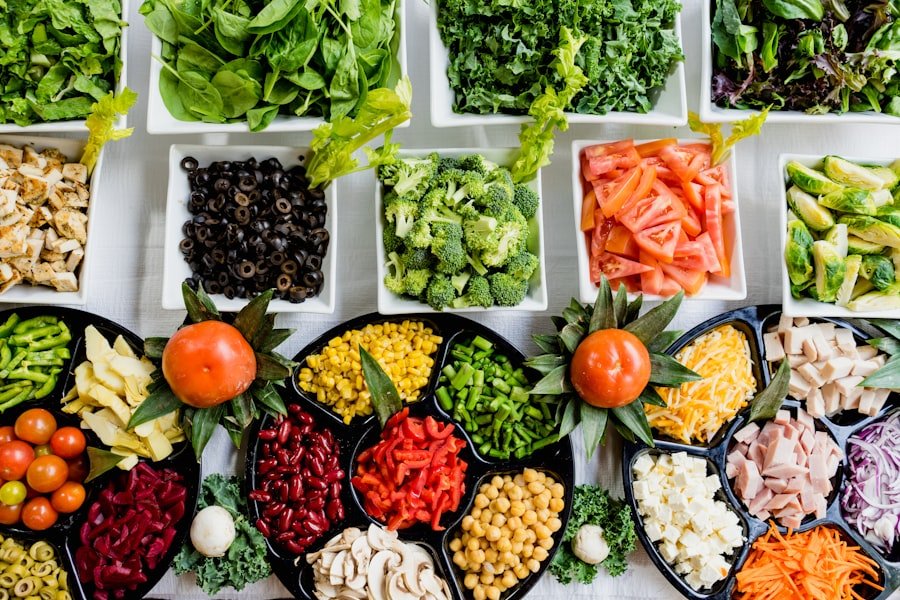
Both low-carb and low-fat diets come with their own set of benefits that can appeal to different individuals based on their lifestyle and health goals. One of the primary advantages of a low-carb diet is its ability to promote rapid weight loss. Many people find that they shed pounds quickly when they cut back on carbs, which can be motivating and encouraging.
Additionally, low-carb diets often lead to reduced hunger levels due to the satiating nature of protein and fats, making it easier to stick to the plan without feeling deprived. On the other hand, low-fat diets offer their own unique benefits. They are often easier to follow for those who enjoy a variety of foods since many fruits, vegetables, and whole grains are naturally low in fat.
This approach can also be beneficial for heart health, as it encourages the consumption of heart-healthy foods while limiting saturated fats that can contribute to cardiovascular issues. Furthermore, low-fat diets can be more sustainable in the long run for some individuals, as they allow for a broader range of food choices without the strict limitations that come with a low-carb regimen.
Drawbacks of Low-carb and Low-fat Diets
While both low-carb and low-fat diets have their merits, they also come with potential drawbacks that you should consider before committing to one approach. A common criticism of low-carb diets is that they can be restrictive and challenging to maintain over time. Many people miss out on beloved carbohydrate-rich foods like bread and pasta, which can lead to feelings of deprivation or social isolation during meals.
Additionally, some individuals may experience side effects such as fatigue or digestive issues when transitioning to a low-carb lifestyle. Low-fat diets also have their challenges. While they promote healthier eating habits, some people may find themselves consuming processed low-fat products that are high in sugar or artificial ingredients to compensate for the lack of fat.
This can undermine the health benefits associated with reducing fat intake. Moreover, some individuals may struggle with feelings of hunger or cravings when following a low-fat diet since fats are known to provide satiety. Recognizing these drawbacks is essential for making an informed decision about which dietary approach aligns best with your lifestyle.
Which Diet is Best for Weight Loss?
When it comes to weight loss, both low-carb and low-fat diets have demonstrated effectiveness in various studies. However, the best choice often depends on individual preferences and metabolic responses. If you thrive on protein-rich foods and enjoy meals that are higher in fats, a low-carb diet may be more suitable for you.
Many people report significant initial weight loss on this plan due to reduced water retention and decreased appetite. Conversely, if you prefer a more balanced approach that includes a variety of food groups without strict limitations on carbohydrates, a low-fat diet might be your best bet. This option allows for greater flexibility in meal planning and can be easier to maintain over time.
Ultimately, the most effective diet for weight loss is one that you can adhere to consistently while enjoying the foods you love. It’s essential to listen to your body and choose a path that feels sustainable for your lifestyle.
Which Diet is Best for Heart Health?

When considering heart health, both low-carb and low-fat diets have their advocates, but they may impact cardiovascular health differently based on individual circumstances. Low-fat diets are often recommended by healthcare professionals because they emphasize the reduction of saturated fats and encourage the consumption of heart-healthy foods like fruits, vegetables, whole grains, and lean proteins. This approach can help lower cholesterol levels and reduce the risk of heart disease over time.
On the other hand, some studies suggest that low-carb diets may also support heart health by promoting weight loss and improving metabolic markers such as triglycerides and HDL cholesterol levels. However, it’s crucial to focus on the quality of fats consumed in a low-carb diet; incorporating healthy fats from sources like avocados, nuts, and olive oil can provide cardiovascular benefits while avoiding unhealthy trans fats found in processed foods. Ultimately, consulting with a healthcare professional can help you determine which dietary approach aligns best with your heart health goals.
Practical Tips for Following Low-carb and Low-fat Diets
If you decide to pursue either a low-carb or low-fat diet, there are practical tips that can help you navigate your journey successfully. For those opting for a low-carb approach, meal planning is essential. Preparing meals in advance allows you to control ingredients and avoid temptation when hunger strikes.
Focus on incorporating plenty of non-starchy vegetables, lean proteins like chicken or fish, and healthy fats such as olive oil or avocado into your meals. For individuals choosing a low-fat diet, it’s important to read labels carefully and opt for whole foods whenever possible. Incorporating a variety of fruits, vegetables, whole grains, and lean proteins will ensure you receive essential nutrients while keeping fat intake in check.
Additionally, consider experimenting with cooking methods such as steaming or grilling instead of frying to reduce added fats in your meals. Staying hydrated is also crucial; drinking plenty of water can help curb cravings and support overall well-being.
Making the Right Choice for You: Low-carb or Low-fat?
Ultimately, the decision between a low-carb or low-fat diet should be based on your personal preferences, lifestyle, and health goals. Consider what types of foods you enjoy most and how each diet aligns with your daily routine. It’s also important to reflect on any specific health concerns you may have; consulting with a healthcare professional or registered dietitian can provide valuable insights tailored to your unique situation.
Remember that there is no one-size-fits-all solution when it comes to dieting; what works for one person may not work for another. The key is to find an approach that feels sustainable and enjoyable for you while promoting overall health and well-being. Whether you choose a low-carb or low-fat diet—or even a balanced combination of both—embracing healthy eating habits will ultimately lead you toward achieving your goals in a way that feels right for you.
When comparing low-carb vs low-fat diets, it is important to consider the best ways to burn fats. According to a recent article on SuperFatBurner, incorporating green tea fat burner ingredients into your diet can help boost your metabolism and aid in fat burning. Additionally, understanding how your body burns fat while you sleep can also play a crucial role in achieving weight loss goals. By combining the right diet with effective fat-burning strategies, individuals can optimize their weight loss journey and achieve long-term success.
FAQs
What is a low-carb diet?
A low-carb diet is a diet that restricts the intake of carbohydrates, such as those found in sugary foods, pasta, and bread. Instead, it focuses on consuming protein, healthy fats, and non-starchy vegetables.
What is a low-fat diet?
A low-fat diet is a diet that restricts the intake of fats, particularly saturated and trans fats. It emphasizes consuming foods that are low in fat and includes lean proteins, whole grains, and plenty of fruits and vegetables.
What are the potential benefits of a low-carb diet?
Some potential benefits of a low-carb diet include weight loss, improved blood sugar control, and reduced risk of heart disease. It may also lead to a decrease in triglycerides and an increase in HDL (good) cholesterol.
What are the potential benefits of a low-fat diet?
Some potential benefits of a low-fat diet include weight loss, reduced risk of heart disease, and improved cholesterol levels. It may also help in managing conditions such as diabetes and high blood pressure.
Are there any potential risks associated with low-carb diets?
Some potential risks of low-carb diets include nutrient deficiencies, constipation, and bad breath. It may also lead to an increase in LDL (bad) cholesterol levels in some individuals.
Are there any potential risks associated with low-fat diets?
Some potential risks of low-fat diets include nutrient deficiencies, increased consumption of processed low-fat foods, and difficulty in feeling satiated. It may also lead to a decrease in HDL (good) cholesterol levels in some individuals.
Which diet is better for weight loss, low-carb, or low-fat?
Research has shown that both low-carb and low-fat diets can be effective for weight loss. The most important factor for weight loss is creating a calorie deficit, regardless of the macronutrient composition of the diet.
Which diet is better for overall health, low-carb, or low-fat?
Both low-carb and low-fat diets can be part of a healthy eating pattern. The key is to focus on consuming whole, unprocessed foods and to individualize the diet based on personal health goals and preferences.