When it comes to weight loss, many people focus solely on diet and exercise, often overlooking a crucial component: sleep. You may not realize it, but the quality and quantity of your sleep can significantly impact your weight loss journey. Research has shown that inadequate sleep can lead to hormonal imbalances that affect appetite regulation.
When you don’t get enough rest, your body produces more ghrelin, the hormone that stimulates hunger, while simultaneously reducing leptin, the hormone that signals fullness. This imbalance can lead to increased cravings and overeating, making it much harder for you to shed those extra pounds. Moreover, sleep deprivation can affect your metabolism.
When you’re tired, your body becomes less efficient at processing glucose, which can lead to insulin resistance—a condition that is closely linked to weight gain and obesity. You might find yourself feeling sluggish and less motivated to engage in physical activity after a poor night’s sleep. This creates a vicious cycle where lack of sleep leads to weight gain, which in turn can further disrupt your sleep patterns.
Prioritizing quality sleep is not just a luxury; it’s a necessity for effective weight management.
Key Takeaways
- Adequate sleep is crucial for weight loss as it regulates hormones and metabolism
- Sleep tracking devices and apps can help monitor sleep patterns and identify areas for improvement
- Certain sleep aids and supplements, such as melatonin, can promote better sleep quality
- Investing in sleep-friendly bedding and mattresses can improve comfort and support for better sleep
- Light therapy can help regulate sleep-wake cycles and improve overall sleep quality
Sleep Tracking Devices and Apps
In today’s tech-savvy world, sleep tracking devices and apps have become increasingly popular tools for those looking to improve their sleep quality. These devices can provide you with valuable insights into your sleep patterns, helping you understand how much time you spend in different sleep stages—light, deep, and REM. By analyzing this data, you can identify trends and make informed adjustments to your bedtime routine.
You might be surprised to learn that even small changes, like adjusting your bedtime or reducing screen time before sleep, can lead to significant improvements in your overall rest. Many of these devices also offer features such as heart rate monitoring and sleep environment assessments, allowing you to see how factors like room temperature and noise levels affect your sleep quality. With this information at your fingertips, you can create a more conducive sleeping environment tailored to your needs.
Whether you choose a wearable device or a smartphone app, tracking your sleep can empower you to take control of your rest and ultimately support your weight loss goals.
Sleep Aids and Supplements
If you find yourself struggling to fall asleep or stay asleep, you may want to consider sleep aids and supplements as part of your strategy for better rest. Over-the-counter options like melatonin can help regulate your sleep-wake cycle, making it easier for you to drift off at night. Melatonin is a hormone that your body naturally produces in response to darkness, signaling that it’s time to sleep.
By supplementing with melatonin, especially if you have irregular sleep patterns or travel frequently, you can help reset your internal clock. In addition to melatonin, other natural supplements such as valerian root and magnesium have been shown to promote relaxation and improve sleep quality. Valerian root has been used for centuries as a herbal remedy for insomnia, while magnesium plays a vital role in muscle relaxation and stress reduction.
However, it’s essential to consult with a healthcare professional before starting any new supplement regimen. They can help you determine the right dosage and ensure that the supplements won’t interact with any medications you may be taking.
Sleep-friendly Bedding and Mattresses
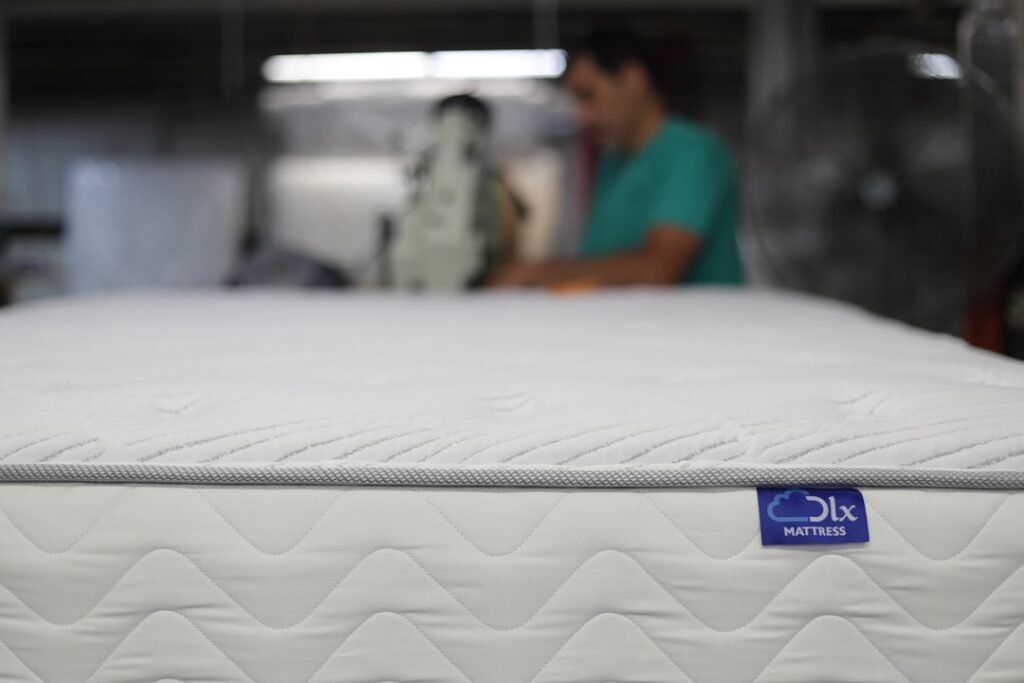
Creating a sleep-friendly environment is crucial for achieving restful nights, and one of the most significant factors is your bedding and mattress. You may not realize how much an uncomfortable mattress can disrupt your sleep quality. Investing in a high-quality mattress that suits your sleeping style—whether you’re a side sleeper, back sleeper, or stomach sleeper—can make a world of difference.
A mattress that provides adequate support will help alleviate pressure points and reduce tossing and turning throughout the night. In addition to a good mattress, consider the materials of your bedding. Opting for breathable fabrics like cotton or bamboo can help regulate your body temperature while you sleep.
You might also want to invest in pillows that provide proper neck support and align your spine correctly. The right combination of bedding can create a sanctuary that promotes relaxation and comfort, allowing you to fall asleep faster and stay asleep longer.
Light Therapy for Better Sleep
Light therapy is an innovative approach that can help regulate your circadian rhythm and improve your overall sleep quality. Exposure to natural light during the day helps signal to your body when it’s time to be awake and alert. Conversely, reducing exposure to artificial light in the evening can prepare your body for rest.
If you struggle with seasonal affective disorder (SAD) or have difficulty waking up in the morning during winter months, light therapy boxes can be particularly beneficial. These devices mimic natural sunlight and can help boost your mood while regulating your sleep-wake cycle. Incorporating light therapy into your daily routine doesn’t have to be complicated.
Simply spending time outdoors during daylight hours can significantly impact your sleep quality at night. If outdoor exposure isn’t feasible due to weather or lifestyle constraints, consider using a light therapy box for about 20-30 minutes each morning. This simple adjustment can help reset your internal clock and promote better sleep hygiene.
White Noise Machines and Sleep Soundtracks
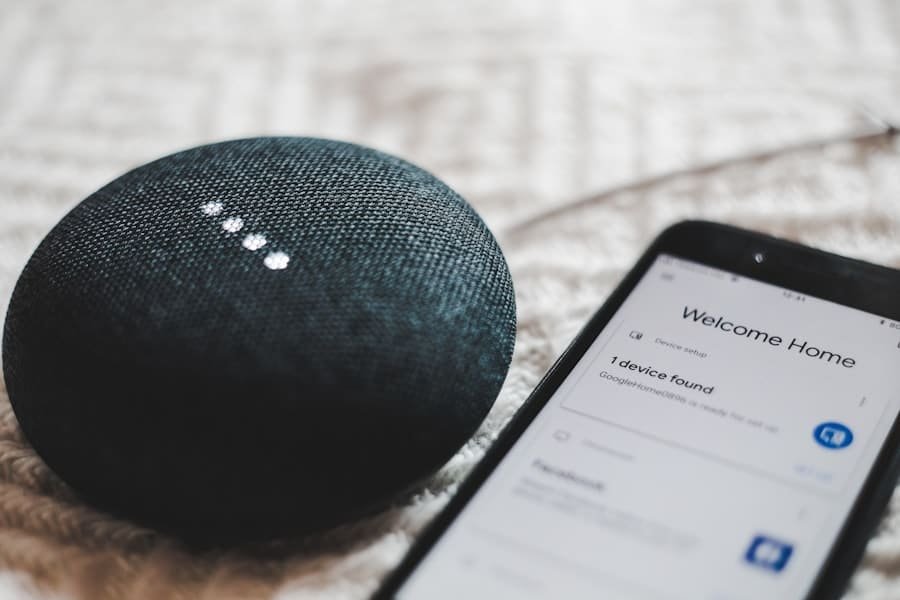
For many people, silence isn’t always golden when it comes to sleep. If you find yourself easily disturbed by ambient noises—whether it’s traffic outside or a partner’s snoring—white noise machines or sleep soundtracks may be the solution you need. These devices create a consistent sound environment that masks disruptive noises, allowing you to drift off more easily.
The soothing sounds of rain, ocean waves, or gentle fan noise can create a calming atmosphere conducive to relaxation. You might also explore various apps that offer curated soundtracks designed specifically for sleep. These soundscapes often combine white noise with nature sounds or soft music, providing an auditory backdrop that helps ease your mind into slumber.
Experimenting with different sounds can help you discover what works best for you, making it easier to establish a calming bedtime routine that promotes restful nights.
Sleep Hygiene and Routines
Establishing good sleep hygiene is essential for improving the quality of your rest. This involves creating a consistent bedtime routine that signals to your body it’s time to wind down. You might start by setting a regular bedtime and wake-up time—even on weekends—to help regulate your internal clock.
Engaging in relaxing activities before bed, such as reading or practicing mindfulness meditation, can also signal to your body that it’s time to transition into sleep mode. Additionally, consider limiting caffeine intake in the afternoon and evening hours, as well as reducing screen time before bed. The blue light emitted by phones and computers can interfere with melatonin production, making it harder for you to fall asleep.
Instead of scrolling through social media or binge-watching shows right before bed, opt for activities that promote relaxation and prepare your mind for rest.
Sleep Coaching and Therapy
If you find that despite all efforts, achieving restful sleep remains elusive, seeking professional help through sleep coaching or therapy may be beneficial. Sleep coaches specialize in helping individuals identify their unique sleep challenges and develop personalized strategies for improvement. They may guide you through cognitive-behavioral techniques designed to address negative thought patterns related to sleep or help you establish healthier habits.
Therapists trained in sleep disorders can also provide valuable insights into underlying issues such as anxiety or stress that may be affecting your ability to rest well. By addressing these root causes through therapy, you can work towards achieving not only better sleep but also improved overall well-being. Remember that prioritizing sleep is an investment in yourself; taking proactive steps towards better rest will ultimately support your weight loss goals and enhance your quality of life.
In conclusion, understanding the multifaceted relationship between sleep and weight loss is crucial for anyone looking to achieve their health goals. By prioritizing quality rest through various strategies—such as utilizing technology for tracking, creating a conducive sleeping environment, exploring natural aids, and establishing healthy routines—you empower yourself on this journey toward better health. Embrace the importance of sleep as an integral part of your weight loss strategy; after all, restful nights pave the way for energized days filled with motivation and clarity.
If you are interested in using sleep technology to aid in fat loss, you may also want to check out this article on what burns fat and builds muscle. This article discusses the importance of incorporating both cardio and strength training into your fitness routine to maximize fat loss and muscle building. By understanding the science behind fat burning and muscle building, you can tailor your workouts and sleep patterns to achieve your desired results.
FAQs
What is sleep technology for fat loss?
Sleep technology for fat loss refers to the use of various devices and tools to improve the quality and duration of sleep in order to support weight loss and fat burning efforts.
How does sleep technology help with fat loss?
Sleep technology can help with fat loss by improving the quality of sleep, which in turn can regulate hormones related to appetite and metabolism. It can also help in reducing stress and improving overall well-being, which can support weight loss efforts.
What are some examples of sleep technology for fat loss?
Examples of sleep technology for fat loss include sleep tracking devices, smart mattresses, sleep-promoting light therapy devices, and white noise machines. These tools can help individuals monitor and improve their sleep patterns.
Is there scientific evidence to support the use of sleep technology for fat loss?
Yes, there is scientific evidence to support the link between sleep quality and weight management. Studies have shown that poor sleep can disrupt hormones related to appetite and metabolism, leading to weight gain. Improving sleep quality through technology can therefore support fat loss efforts.
Are there any potential drawbacks to using sleep technology for fat loss?
Some potential drawbacks of using sleep technology for fat loss include the reliance on external devices for sleep improvement, as well as the cost associated with purchasing and maintaining these devices. It’s also important to note that while sleep technology can support fat loss efforts, it should be used in conjunction with a healthy diet and regular exercise for best results.