
In today’s fast-paced world, maintaining optimal health and fitness can be a daunting task. You may find that despite your best efforts in the gym and the kitchen, you still struggle to meet your nutritional needs. This is where supplements come into play.
They serve as a convenient way to fill in the gaps in your diet, ensuring that you receive essential vitamins, minerals, and other nutrients that may be lacking in your daily meals. By incorporating supplements into your routine, you can enhance your overall well-being and support your fitness goals. Moreover, supplements can play a crucial role in specific health and fitness objectives.
Whether you’re looking to build muscle, lose weight, or improve your athletic performance, the right supplements can provide the additional support you need. They can help you recover faster from workouts, boost your energy levels, and even improve your mental focus. Understanding the importance of supplements is the first step toward optimizing your health and achieving your fitness aspirations.
Key Takeaways
- Supplements can play a crucial role in supporting overall health and fitness goals.
- It’s important to choose supplements that align with your specific health and fitness objectives.
- Protein is essential for muscle building and repair, making it a key component of many muscle-building supplements.
- Creatine has been shown to enhance muscle growth and improve exercise performance.
- BCAAs can aid in muscle recovery by reducing muscle soreness and promoting muscle protein synthesis.
Choosing the Right Supplement for Your Goals
When it comes to selecting the right supplement, it’s essential to align your choices with your personal health and fitness goals. You might be aiming to build muscle mass, enhance endurance, or simply maintain a healthy lifestyle. Each of these objectives requires a different approach to supplementation.
For instance, if muscle gain is your primary focus, you may want to consider protein powders or creatine. On the other hand, if you’re looking to improve endurance for long-distance running, you might benefit from electrolyte supplements or BCAAs. It’s also important to consider your dietary preferences and restrictions when choosing supplements.
If you’re vegan or vegetarian, you’ll want to look for plant-based protein sources or supplements that cater to your dietary needs. Additionally, always take the time to research the ingredients in any supplement you’re considering. Understanding what goes into these products will help you make informed decisions that align with your health philosophy and lifestyle.
The Role of Protein in Muscle Building

Protein is often hailed as the cornerstone of muscle building, and for good reason. When you engage in resistance training or any form of intense exercise, your muscle fibers experience tiny tears. This is a natural part of the muscle-building process, but it requires adequate protein intake for repair and growth.
As you work toward your fitness goals, ensuring that you consume enough protein is vital for maximizing your results. You may find that incorporating protein-rich foods into your diet or using protein supplements can significantly enhance your muscle recovery and growth. In addition to aiding in muscle repair, protein also plays a role in regulating hormones that are crucial for muscle development.
For instance, it helps stimulate the release of insulin, which is essential for transporting nutrients into your muscle cells. By prioritizing protein in your diet, you not only support muscle growth but also improve your overall body composition. Whether you choose whey protein, casein, or plant-based options, finding a source that works for you can make a significant difference in your training outcomes.
The Benefits of Creatine for Muscle Growth
Creatine is one of the most researched and widely used supplements in the fitness community, and its benefits for muscle growth are well-documented. When you supplement with creatine, you’re essentially increasing the phosphocreatine stores in your muscles. This allows for more rapid regeneration of ATP (adenosine triphosphate), which is the primary energy carrier in your cells during high-intensity exercise.
As a result, you may find that you can push harder during workouts, leading to greater gains over time. Additionally, creatine has been shown to enhance muscle recovery and reduce fatigue. This means that not only can you perform better during workouts, but you’ll also be able to bounce back more quickly afterward.
Many athletes and fitness enthusiasts report experiencing increased strength and muscle mass after incorporating creatine into their regimen. If you’re serious about taking your training to the next level, creatine could be a valuable addition to your supplement stack.
How BCAAs Can Aid in Muscle Recovery
Branched-chain amino acids (BCAAs) are another popular supplement among those looking to optimize their training results. Comprising three essential amino acids—leucine, isoleucine, and valine—BCAAs play a critical role in muscle recovery and growth. When you engage in intense exercise, BCAAs can help reduce muscle soreness and fatigue by decreasing the rate of protein breakdown during workouts.
This means that by supplementing with BCAAs, you may experience less discomfort post-exercise and be able to train more frequently. Moreover, BCAAs can also support energy production during workouts. When glycogen stores are depleted, your body can utilize BCAAs as an alternative energy source.
This can be particularly beneficial during prolonged exercise sessions or when you’re trying to push through a tough workout. By incorporating BCAAs into your routine, you may find that not only do you recover faster but also that you have more energy to tackle each training session with vigor.
The Impact of Pre-Workout Supplements on Performance
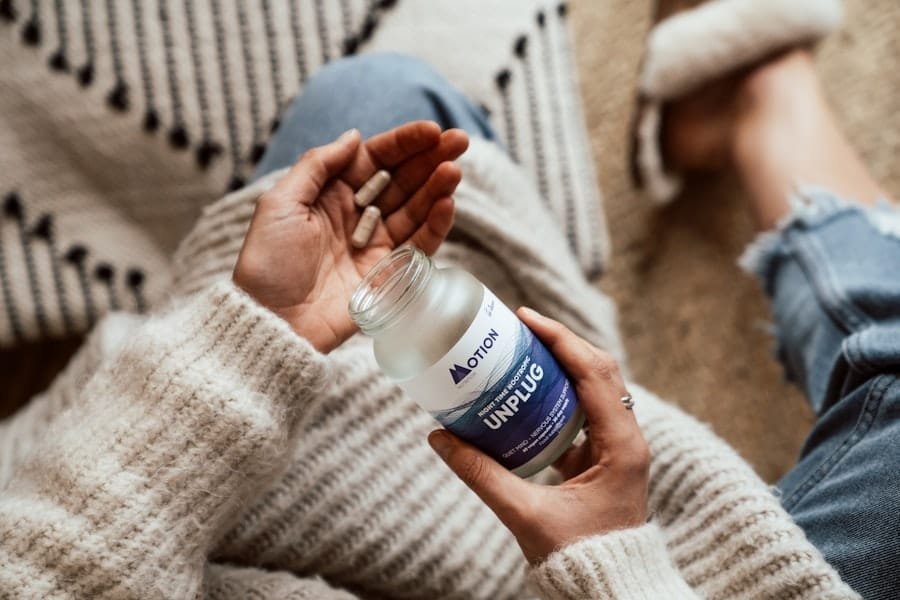
Pre-workout supplements have gained immense popularity among fitness enthusiasts looking to maximize their performance during workouts. These products typically contain a blend of ingredients designed to boost energy levels, enhance focus, and improve endurance. Common components include caffeine, beta-alanine, and citrulline malate.
By taking a pre-workout supplement before hitting the gym, you may experience increased motivation and improved physical performance. Caffeine is particularly noteworthy for its ability to enhance alertness and reduce perceived exertion during exercise. This means that you might find yourself able to push through challenging sets with greater ease when using a pre-workout supplement containing caffeine.
Additionally, ingredients like beta-alanine can help buffer lactic acid buildup in muscles, allowing you to train harder for longer periods. If you’re looking to elevate your workout intensity and achieve better results, experimenting with pre-workout supplements could be a game-changer.
The Role of Thermogenic Supplements in Fat Burning
If fat loss is one of your primary goals, thermogenic supplements may be worth considering as part of your strategy. These supplements are designed to increase your metabolic rate and promote fat oxidation by raising your body temperature slightly. Ingredients commonly found in thermogenic supplements include caffeine, green tea extract, and synephrine.
By boosting your metabolism, these products can help you burn more calories throughout the day. However, it’s essential to approach thermogenic supplements with caution. While they can provide an extra edge in fat loss efforts when combined with a healthy diet and exercise routine, they are not magic pills.
You should view them as tools that complement a well-rounded approach to weight management rather than relying solely on them for results. By understanding how thermogenic supplements work and incorporating them wisely into your regimen, you may find that they help accelerate your fat loss journey.
Understanding the Importance of Nutrient Timing
Nutrient timing refers to the strategic consumption of macronutrients—carbohydrates, proteins, and fats—around your workouts to optimize performance and recovery. You might have heard about the “anabolic window,” which suggests that consuming protein shortly after exercise can enhance muscle recovery and growth. While this concept has evolved over time, understanding when to fuel your body can still play a significant role in achieving your fitness goals.
For instance, consuming carbohydrates before a workout can provide you with the energy needed for optimal performance. Similarly, post-workout nutrition is crucial for replenishing glycogen stores and repairing muscle tissue. By planning your meals around your training sessions—ensuring adequate protein intake before and after workouts—you can maximize the benefits of both exercise and supplementation.
This strategic approach can lead to improved results over time as you fine-tune how you nourish your body.
The Potential Risks and Side Effects of Supplements
While supplements can offer numerous benefits, it’s essential to be aware of potential risks and side effects associated with their use. Not all supplements are created equal; some may contain harmful additives or unregulated ingredients that could pose health risks. Additionally, excessive consumption of certain supplements can lead to adverse effects such as digestive issues or increased heart rate.
It’s crucial to do thorough research on any supplement you’re considering and consult with healthcare professionals if you’re unsure about its safety. Furthermore, relying too heavily on supplements can lead to neglecting whole foods that provide essential nutrients naturally. A balanced diet should always be the foundation of any health or fitness regimen; supplements should only serve as an adjunct when necessary.
By being mindful of both the benefits and potential drawbacks of supplementation, you can make informed choices that support your overall health without compromising safety.
Incorporating Supplements into a Balanced Diet and Exercise Routine
To truly reap the benefits of supplements, it’s vital to integrate them into a balanced diet and exercise routine effectively. Supplements should never replace whole foods; instead, they should complement a well-rounded diet rich in fruits, vegetables, lean proteins, whole grains, and healthy fats. By focusing on nutrient-dense foods first and using supplements strategically when needed—such as post-workout protein shakes or pre-workout energy boosters—you can create a holistic approach to health and fitness.
Additionally, consistency is key when it comes to both diet and supplementation. You may find that sticking to a regular schedule for taking supplements helps ensure that you’re getting the most out of them. Pairing this with a structured workout plan will further enhance your results over time.
By viewing supplementation as part of an overall lifestyle rather than a quick fix, you’ll be better positioned to achieve lasting success in your health journey.
Consulting with a Professional Before Starting a Supplement Regimen
Before diving into any new supplement regimen, it’s wise to consult with a healthcare professional or registered dietitian who specializes in nutrition and fitness. They can help assess your individual needs based on factors such as age, activity level, dietary preferences, and specific health goals. A professional’s guidance will ensure that you’re making informed decisions about which supplements are appropriate for you while minimizing potential risks.
Moreover, working with a professional allows for personalized recommendations tailored specifically to your unique circumstances. They can help you navigate the vast array of products available on the market and identify those that align best with your goals while considering any underlying health conditions or medications you may be taking. By seeking expert advice before starting any supplementation journey, you’ll set yourself up for success while prioritizing safety and efficacy in achieving your health objectives.
In conclusion, understanding the importance of supplements is crucial for anyone looking to enhance their health and fitness journey effectively. By choosing the right products aligned with your goals while maintaining a balanced diet and exercise routine—and consulting professionals when necessary—you’ll be well-equipped to navigate the world of supplementation safely and effectively.
If you’re looking to enhance your fitness journey with supplements aimed at building muscle and burning fat, it’s essential to pair them with an effective workout routine. A related article that might interest you is titled “Workout to Burn Fat & Build Muscle,” which provides valuable insights into exercises that complement your supplement regimen. You can read more about it by visiting this link. This article offers practical advice on how to maximize your workouts for optimal results, ensuring that your efforts in the gym are as effective as possible.
FAQs
What is a supplement for building muscle and burning fat?
A supplement for building muscle and burning fat is a product designed to support muscle growth and aid in fat loss when used in conjunction with a proper diet and exercise regimen.
What are the common ingredients in muscle-building and fat-burning supplements?
Common ingredients in these supplements include protein (such as whey protein), branched-chain amino acids (BCAAs), creatine, caffeine, green tea extract, and conjugated linoleic acid (CLA).
How do muscle-building and fat-burning supplements work?
These supplements work by providing the body with essential nutrients and compounds that support muscle growth, increase metabolism, and aid in fat oxidation. They can also help improve exercise performance and recovery.
Are muscle-building and fat-burning supplements safe to use?
When used as directed, and in moderation, muscle-building and fat-burning supplements are generally safe for healthy individuals. However, it’s important to consult with a healthcare professional before starting any new supplement regimen, especially if you have any underlying health conditions or are taking medication.
Can muscle-building and fat-burning supplements replace a healthy diet and exercise?
Supplements should not be used as a replacement for a balanced diet and regular exercise. They are intended to complement a healthy lifestyle and can help support your fitness goals when used in combination with proper nutrition and physical activity.
What are the potential side effects of muscle-building and fat-burning supplements?
Potential side effects of these supplements may include digestive issues, allergic reactions, and overstimulation from ingredients like caffeine. It’s important to follow the recommended dosage and be aware of any potential adverse reactions.