
When you embark on a journey to lose fat, you may find yourself overwhelmed by the myriad of options available to you. Supplements can play a significant role in this process, acting as tools that can enhance your efforts. However, it’s essential to understand that they are not magic pills.
Instead, they are designed to complement your existing diet and exercise regimen. By providing your body with specific nutrients or compounds, supplements can help optimize your metabolism, support energy levels, and even curb cravings, making it easier for you to stick to your weight loss plan. Moreover, the effectiveness of supplements can vary greatly from person to person.
Factors such as genetics, lifestyle, and overall health can influence how well a supplement works for you. Therefore, it’s crucial to approach fat loss supplements with realistic expectations. They can provide support and enhance your results, but they should never replace the foundational elements of a healthy lifestyle.
Understanding this balance is key to making informed decisions about which supplements might be beneficial for you.
Key Takeaways
- Supplements can aid in fat loss but should be used in conjunction with a balanced diet and exercise.
- There are different types of fat loss supplements, including thermogenic, appetite suppressant, and fat blocker supplements.
- Thermogenic supplements work by increasing metabolism and promoting fat burning.
- Appetite suppressant supplements can help control cravings and reduce calorie intake.
- It is important to consult with a healthcare professional before starting a supplement regimen and to choose the right supplement for individual needs and goals.
The Importance of a Balanced Diet and Exercise in Conjunction with Supplements
While supplements can aid in fat loss, they are most effective when used alongside a balanced diet and regular exercise. A well-rounded diet provides your body with the essential nutrients it needs to function optimally. This includes macronutrients like proteins, fats, and carbohydrates, as well as micronutrients such as vitamins and minerals.
When you nourish your body properly, you create an environment conducive to fat loss. Supplements can then fill in any gaps in your nutrition or provide an extra boost where needed. Exercise is equally important in this equation.
Engaging in regular physical activity not only helps you burn calories but also builds muscle mass, which can increase your resting metabolic rate. This means that even when you’re not exercising, your body continues to burn more calories. When combined with the right supplements, a solid exercise routine can accelerate your fat loss journey and help you achieve your goals more efficiently.
Remember, supplements should enhance your efforts, not replace the hard work that comes from maintaining a healthy lifestyle.
Different Types of Fat Loss Supplements
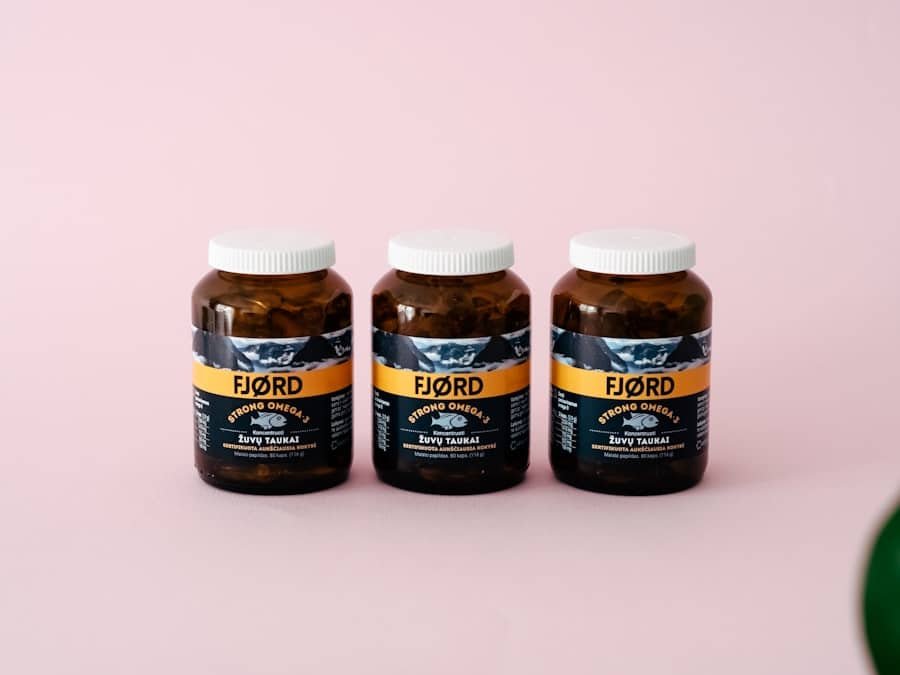
The market is flooded with various types of fat loss supplements, each claiming to offer unique benefits. Understanding these different categories can help you make informed choices about which ones might be right for you. Some of the most common types include thermogenics, appetite suppressants, and fat blockers.
Each type works through different mechanisms to support fat loss. Thermogenic supplements are designed to increase your body’s metabolic rate, helping you burn more calories throughout the day. On the other hand, appetite suppressants aim to reduce your hunger levels, making it easier for you to stick to a calorie deficit.
Fat blockers work by preventing the absorption of dietary fats in your body. By familiarizing yourself with these categories, you can better assess which type of supplement aligns with your personal goals and lifestyle.
How Thermogenic Supplements Work to Aid Fat Loss
Thermogenic supplements are particularly popular among those looking to boost their metabolism and enhance fat burning. These supplements typically contain ingredients like caffeine, green tea extract, or capsaicin, which are known for their thermogenic properties. When consumed, these compounds can increase your body temperature slightly, leading to a higher calorie expenditure as your body works to cool itself down.
In addition to boosting metabolism, thermogenic supplements may also enhance energy levels and improve exercise performance. This means that not only do they help you burn more calories at rest, but they can also make your workouts more effective. However, it’s important to use these supplements responsibly and be mindful of potential side effects such as increased heart rate or jitteriness, especially if you are sensitive to stimulants.
The Benefits of Using Appetite Suppressant Supplements
Appetite suppressants can be a valuable tool for those struggling with cravings or overeating. By helping to control hunger signals, these supplements can make it easier for you to adhere to a calorie-restricted diet. Ingredients commonly found in appetite suppressants include glucomannan, 5-HTP, and certain herbal extracts that promote feelings of fullness.
Using appetite suppressants can lead to more mindful eating habits. When you’re not constantly battling hunger pangs, you may find it easier to make healthier food choices and resist temptations. However, it’s essential to remember that these supplements should be used as part of a broader strategy that includes a balanced diet and regular physical activity.
Relying solely on appetite suppressants without addressing underlying eating habits may not yield long-term results.
Exploring the Role of Fat Blocker Supplements in Weight Management

Fat blocker supplements serve a different purpose in the realm of fat loss by targeting the absorption of dietary fats. These supplements often contain ingredients like orlistat or chitosan that inhibit the enzymes responsible for breaking down fats in the digestive system. As a result, some of the dietary fat consumed is not absorbed by the body and is instead excreted.
While fat blockers can be effective for some individuals looking to manage their weight, they are not without their drawbacks. For instance, they may lead to gastrointestinal side effects such as bloating or diarrhea if consumed in excess or without proper dietary adjustments. It’s crucial to approach fat blockers with caution and consider how they fit into your overall weight management strategy.
The Potential Risks and Side Effects of Fat Loss Supplements
As with any supplement, there are potential risks and side effects associated with fat loss products. While many people may experience positive results, others may encounter adverse reactions depending on their individual health profiles and sensitivities. Common side effects can include digestive issues, increased heart rate, insomnia, or mood changes.
It’s essential to conduct thorough research before starting any supplement regimen and be aware of how specific ingredients may affect you personally. Additionally, some fat loss supplements may interact with medications or exacerbate pre-existing health conditions. Being informed about these risks will empower you to make safer choices on your journey toward fat loss.
The Importance of Consulting with a Healthcare Professional Before Starting a Supplement Regimen
Before diving into the world of fat loss supplements, consulting with a healthcare professional is crucial. A doctor or registered dietitian can provide personalized advice based on your health history and specific goals. They can help you determine whether certain supplements are appropriate for you and guide you on safe dosages.
Moreover, healthcare professionals can assist in identifying any underlying health issues that may be contributing to weight gain or difficulty losing fat. By addressing these factors first, you may find that your weight loss journey becomes more manageable without relying solely on supplements.
Choosing the Right Fat Loss Supplement for Your Individual Needs and Goals
With so many options available on the market, choosing the right fat loss supplement can feel daunting. Start by assessing your individual needs and goals—are you looking for something to boost energy during workouts? Or do you need help managing cravings?
Understanding what you want from a supplement will narrow down your choices significantly. Additionally, consider factors such as ingredient transparency and product reviews when making your selection. Look for reputable brands that provide clear information about their formulations and have positive feedback from users.
This diligence will help ensure that you choose a supplement that aligns with your goals while minimizing potential risks.
Tips for Incorporating Fat Loss Supplements into Your Daily Routine
Incorporating fat loss supplements into your daily routine doesn’t have to be complicated. Start by establishing a consistent schedule for taking them—whether it’s with meals or at specific times during the day—this will help create a habit over time. Pairing your supplement intake with meals can also enhance absorption and effectiveness.
Additionally, keep track of how each supplement affects your body over time. Maintaining a journal can help you monitor changes in energy levels, appetite control, or any side effects experienced. This information will be invaluable when assessing whether a particular supplement is working for you or if adjustments need to be made.
The Role of Patience and Consistency in Achieving Fat Loss Goals with the Help of Supplements
Finally, it’s essential to remember that achieving fat loss goals takes time and consistency—supplements are just one piece of the puzzle. While they can provide support along the way, sustainable weight loss is often a gradual process that requires dedication and perseverance. Stay patient with yourself as you navigate this journey; celebrate small victories along the way rather than focusing solely on the end goal.
By maintaining consistency in both your diet and exercise routine while using supplements responsibly, you’ll set yourself up for long-term success in achieving your fat loss objectives.
If you’re exploring the best supplements for fat loss, you might also be interested in learning about other effective strategies to accelerate your fat-burning journey. A related article that delves into this topic is titled “What Helps Burn Fat Fast?” This piece provides insights into various methods and practices that can complement your supplement regimen to enhance fat loss. You can read more about it by visiting the following link: What Helps Burn Fat Fast?. This article could offer valuable information to help you achieve your fitness goals more efficiently.
FAQs
What are supplements for fat loss?
Supplements for fat loss are products designed to aid in the reduction of body fat. They can come in various forms such as pills, powders, or liquids and often contain ingredients that are believed to support fat metabolism and weight loss.
Do fat loss supplements work?
The effectiveness of fat loss supplements can vary depending on the individual and the specific product. Some ingredients commonly found in fat loss supplements, such as caffeine and green tea extract, have been shown to have modest effects on metabolism and fat oxidation. However, it’s important to note that supplements are not a substitute for a healthy diet and regular exercise.
What are some common ingredients in fat loss supplements?
Common ingredients in fat loss supplements include caffeine, green tea extract, conjugated linoleic acid (CLA), forskolin, and various herbs and plant extracts. These ingredients are often marketed as having thermogenic or metabolism-boosting properties.
Are fat loss supplements safe?
While many fat loss supplements are generally considered safe when used as directed, it’s important to be cautious and do thorough research before using any new supplement. Some ingredients may have potential side effects or interactions with medications, and the quality and purity of supplements can vary.
What supplement is best for fat loss?
There is no one-size-fits-all answer to this question, as the best fat loss supplement for an individual can depend on factors such as their overall health, lifestyle, and goals. It’s important to consult with a healthcare professional before starting any new supplement regimen to determine what may be best for you.