

Caffeine is one of the most widely consumed psychoactive substances in the world, and its effects on the body are both fascinating and complex. When you consume caffeine, it enters your bloodstream and travels to your brain, where it blocks the inhibitory neurotransmitter adenosine. This action leads to increased neuronal firing and the release of other neurotransmitters, such as dopamine and norepinephrine.
As a result, you may experience heightened alertness, improved mood, and enhanced cognitive function. However, caffeine’s influence extends beyond just mental stimulation; it also plays a significant role in fat metabolism. The relationship between caffeine and fat burning is primarily linked to its ability to stimulate the central nervous system.
This stimulation can lead to an increase in energy expenditure, which is the number of calories your body burns at rest and during activity. Additionally, caffeine has been shown to enhance the mobilization of fatty acids from adipose tissue, making them available for use as fuel. This dual action—boosting energy expenditure while promoting fat utilization—makes caffeine a popular choice for those looking to shed excess weight or improve their body composition.
Key Takeaways
- Caffeine increases fat oxidation by stimulating the nervous system and releasing adrenaline, which signals the body to break down fat cells for energy.
- Caffeine boosts metabolism by increasing the body’s energy expenditure, leading to more calories burned throughout the day.
- Caffeine promotes lipolysis, the breakdown of fat, by increasing the levels of hormones like epinephrine and norepinephrine in the body.
- The best sources of caffeine for fat burning include coffee, green tea, and pre-workout supplements, which provide a natural and controlled dose of caffeine.
- Timing and dosage are crucial for optimal fat burning, with research suggesting that consuming caffeine 30-60 minutes before exercise can enhance its fat-burning effects.
How Caffeine Boosts Metabolism
When you consume caffeine, your metabolic rate can increase significantly. This boost in metabolism is largely due to caffeine’s thermogenic properties, which refer to its ability to generate heat in the body. As your body burns more calories to maintain its temperature, you may find that your overall energy expenditure rises.
Research has shown that caffeine can increase metabolic rate by 3-11%, depending on individual factors such as body composition and tolerance levels. Moreover, caffeine can enhance the oxidation of fat during exercise. When you engage in physical activity after consuming caffeine, your body is more likely to utilize fat as a primary energy source rather than carbohydrates.
This shift not only aids in fat loss but also helps preserve glycogen stores, allowing you to sustain longer and more intense workouts. By incorporating caffeine into your routine, you may find that your body becomes more efficient at burning fat, ultimately supporting your weight loss goals.
Caffeine’s Effect on Lipolysis
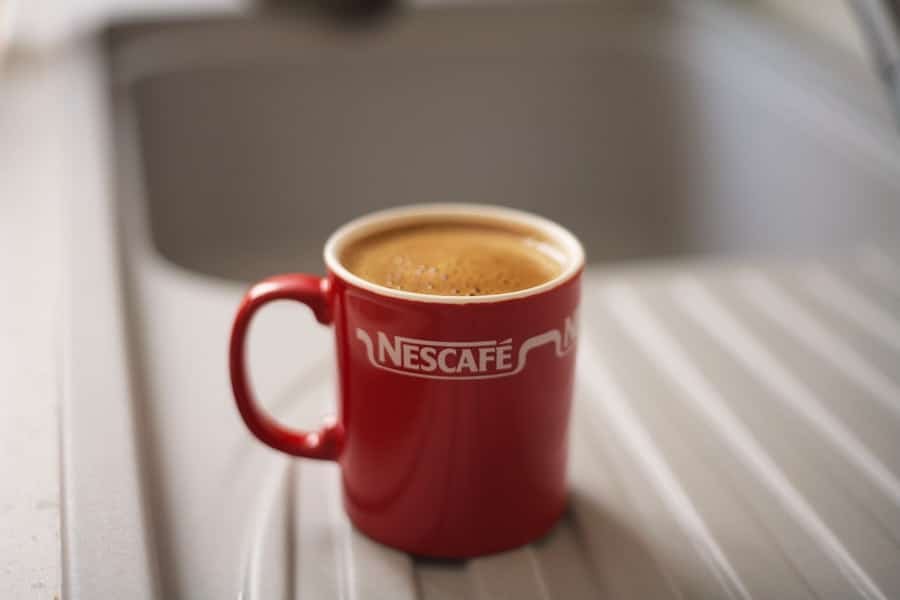
Lipolysis is the process by which stored fat is broken down into fatty acids and glycerol, making them available for energy production. Caffeine plays a crucial role in this process by stimulating the release of catecholamines—hormones such as adrenaline and noradrenaline that signal the body to break down fat stores. When you consume caffeine, these hormones are released into your bloodstream, promoting lipolysis and increasing the availability of fatty acids for energy.
Additionally, caffeine can enhance the effectiveness of lipolytic enzymes, which are responsible for breaking down triglycerides into free fatty acids. This means that not only does caffeine promote the release of stored fat, but it also helps facilitate its utilization during exercise or daily activities. As a result, incorporating caffeine into your diet can be an effective strategy for maximizing fat loss and improving overall body composition.
The Best Sources of Caffeine for Fat Burning
When it comes to sourcing caffeine for fat burning, there are several options available to you. Coffee is perhaps the most popular choice, offering a rich source of caffeine along with antioxidants that can provide additional health benefits. A standard cup of brewed coffee contains approximately 95 mg of caffeine, making it an excellent pre-workout beverage that can enhance both performance and fat oxidation.
Tea is another great option, particularly green tea, which contains not only caffeine but also catechins—compounds that have been shown to boost metabolism and promote fat loss. Matcha, a powdered form of green tea, offers a concentrated source of both caffeine and antioxidants, making it a powerful ally in your fat-burning journey. Additionally, energy drinks and supplements can provide a quick dose of caffeine; however, it’s essential to choose products with minimal added sugars and artificial ingredients to maximize their effectiveness.
Timing and Dosage for Optimal Fat Burning
To reap the maximum benefits of caffeine for fat burning, timing and dosage are crucial factors to consider. Consuming caffeine about 30-60 minutes before exercise can enhance performance and increase fat oxidation during your workout. This pre-workout timing allows the caffeine to reach peak levels in your bloodstream when you need it most, providing you with an energy boost that can help you push through challenging workouts.
As for dosage, research suggests that a moderate intake of 3-6 mg of caffeine per kilogram of body weight is effective for enhancing performance and promoting fat loss. For example, if you weigh 70 kg (approximately 154 lbs), a dose between 210-420 mg of caffeine may be optimal. However, individual tolerance levels vary widely; therefore, it’s essential to start with a lower dose and gradually increase it while monitoring how your body responds.
Potential Side Effects of Caffeine for Fat Burning
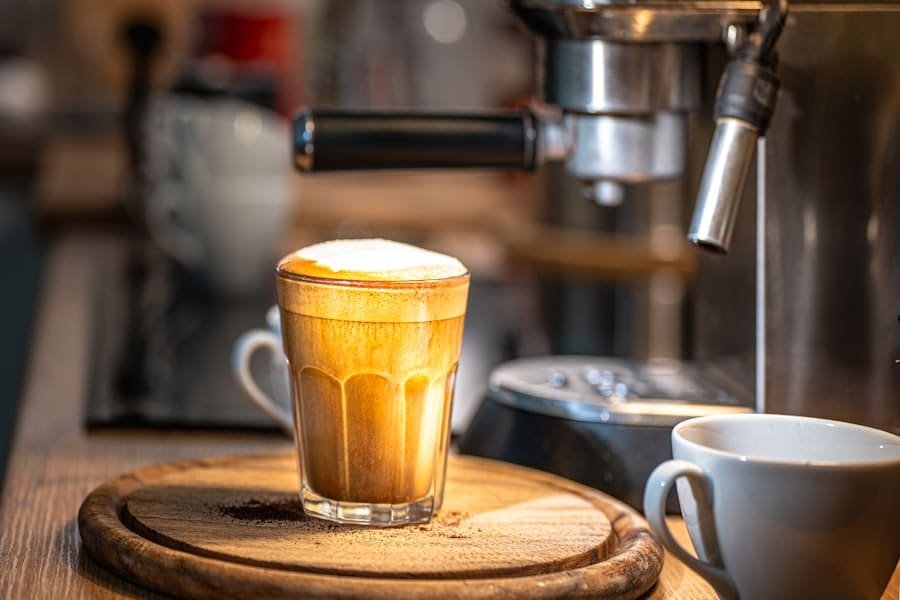
While caffeine can be an effective tool for fat burning, it’s important to be aware of potential side effects that may arise from excessive consumption. Common side effects include jitteriness, increased heart rate, anxiety, and digestive issues. If you find yourself experiencing these symptoms after consuming caffeine, it may be a sign that you’re exceeding your personal tolerance level.
Additionally, relying too heavily on caffeine can lead to dependence or withdrawal symptoms when you try to cut back. It’s essential to strike a balance between enjoying the benefits of caffeine while being mindful of its potential downsides. Moderation is key; by keeping your intake within recommended limits and paying attention to how your body reacts, you can enjoy the advantages of caffeine without falling victim to its adverse effects.
Caffeine and Exercise Performance
Caffeine’s impact on exercise performance is well-documented in scientific literature. Many athletes and fitness enthusiasts use caffeine as a performance-enhancing aid due to its ability to improve endurance, strength, and overall workout intensity. When consumed before exercise, caffeine can increase adrenaline levels in your bloodstream, leading to enhanced focus and motivation during workouts.
Moreover, studies have shown that caffeine can reduce perceived exertion during physical activity. This means that you may feel less fatigued while exercising, allowing you to push harder and longer than you might without it. As a result, incorporating caffeine into your pre-workout routine can lead to improved performance outcomes and greater calorie expenditure during exercise.
Incorporating Caffeine into a Fat-Burning Diet
Integrating caffeine into your fat-burning diet can be both enjoyable and effective. Start by assessing your current caffeine consumption habits; if you’re already drinking coffee or tea regularly, consider optimizing those sources by choosing high-quality options that provide additional health benefits. For instance, opting for organic coffee or loose-leaf green tea can enhance your overall nutrient intake while still delivering the desired caffeine boost.
You might also explore various recipes that incorporate caffeine into your meals or snacks. For example, adding brewed coffee or matcha powder to smoothies can create a delicious and energizing breakfast option. Alternatively, consider making homemade energy bars using ingredients like oats, nut butter, and dark chocolate combined with brewed coffee for an on-the-go snack that supports both energy levels and fat burning.
In conclusion, understanding the science behind caffeine’s role in fat burning can empower you to make informed choices about its incorporation into your diet and exercise routine. By leveraging its metabolism-boosting properties while being mindful of timing and dosage, you can optimize your efforts toward achieving your fitness goals. Remember to listen to your body and adjust your intake as needed; with the right approach, caffeine can be a valuable ally on your journey toward improved health and body composition.
If you are interested in learning more about ways to burn fat fast, you may want to check out this article on superfatburner.net. In addition to exploring the benefits of caffeine for fat burning, this article provides various tips and strategies for achieving your weight loss goals. Whether you are looking to improve your overall health or simply want to shed a few extra pounds, this resource offers valuable information to help you on your journey.
FAQs
What is caffeine?
Caffeine is a natural stimulant found in coffee, tea, and various other products. It is known for its ability to increase alertness and reduce fatigue.
How does caffeine help with fat burning?
Caffeine can increase the body’s metabolism, leading to a higher rate of fat burning. It also has been shown to improve physical performance, which can lead to increased calorie expenditure.
What are the best sources of caffeine for fat burning?
Coffee and tea are popular sources of caffeine, but it can also be found in energy drinks, pre-workout supplements, and some weight loss supplements.
What is the recommended daily intake of caffeine for fat burning?
The recommended daily intake of caffeine for fat burning is around 200-400mg for most adults. It’s important to note that individual tolerance to caffeine can vary.
Are there any risks or side effects associated with consuming caffeine for fat burning?
Excessive consumption of caffeine can lead to side effects such as anxiety, insomnia, digestive issues, and increased heart rate. It’s important to consume caffeine in moderation and be mindful of individual tolerance levels.
Can caffeine alone lead to significant fat loss?
While caffeine can aid in fat burning, it is not a magic solution for weight loss. A balanced diet and regular exercise are essential for achieving significant fat loss.


