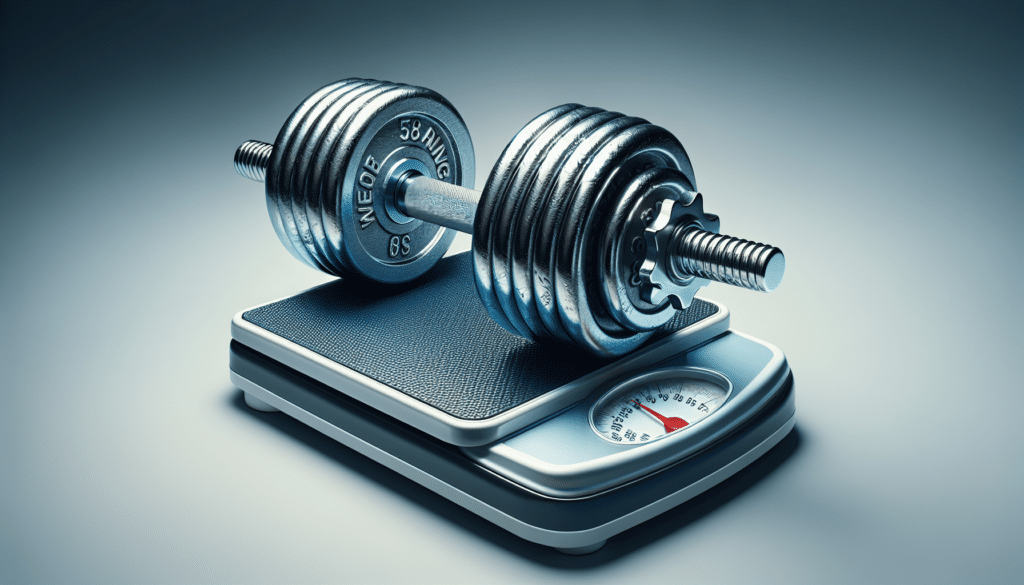
Are you looking to shed some unwanted fat, but want to do so while preserving your hard-earned muscle? In this article, you will learn some valuable tips and strategies on how you can effectively lose fat without sacrificing your muscle mass. By following these tried-and-true methods, you can achieve your fitness goals in a healthy and sustainable way. Let’s dive in and discover how you can make progress towards a leaner and stronger physique. Have you been trying to lose weight, but are worried about losing muscle mass in the process? This is a common concern for many people who are on a weight loss journey. Losing fat while maintaining muscle is possible, but it requires a strategic approach to diet, exercise, and lifestyle habits. In this article, we will explore how you can lose fat instead of muscle and achieve your weight loss goals while preserving your hard-earned muscle mass. Let’s dive in!

Understanding the Difference Between Fat Loss and Muscle Loss
When you embark on a weight loss journey, it’s important to understand the difference between fat loss and muscle loss. Fat loss involves reducing the amount of body fat you carry, which is generally a good thing for health and aesthetics. On the other hand, muscle loss refers to a reduction in muscle mass, which can have negative effects on metabolism, strength, and overall health.
What happens when you lose fat?
When you lose fat, your body burns stored fat as a source of energy, leading to a decrease in body fat percentage. This can result in a leaner, more toned appearance and improved health markers such as lower blood pressure and cholesterol levels.
What happens when you lose muscle?
Losing muscle can occur when you are in a calorie deficit or not engaging in regular strength training. Muscle loss can lead to a decrease in metabolism, strength, and overall functionality. It can also result in a less toned and defined physique.
Creating a Caloric Deficit
One of the key principles of weight loss is creating a caloric deficit, which means consuming fewer calories than your body needs to maintain its current weight. However, it’s essential to strike a balance between reducing calories to promote fat loss while ensuring you’re providing your body with enough nutrients to preserve muscle mass.
How to calculate your caloric needs
To determine how many calories you need to consume to lose weight, you can use online calculators or formulas to estimate your basal metabolic rate (BMR) and total daily energy expenditure (TDEE). From there, you can create a calorie deficit by consuming slightly fewer calories than your TDEE.
Tips for creating a sustainable caloric deficit
- Start by reducing your calorie intake by 500-750 calories per day to lose about 1-1.5 pounds per week, which is considered a safe and sustainable rate of weight loss.
- Focus on nutrient-dense foods that are rich in protein, fiber, and healthy fats to help you feel full and satisfied on fewer calories.
- Avoid crash diets or extreme restrictions, as they can lead to muscle loss and nutrient deficiencies. Instead, aim for gradual and sustainable changes to your diet.
The Role of Macronutrients in Fat Loss
When it comes to losing fat instead of muscle, paying attention to your macronutrient intake is crucial. Macronutrients, such as protein, carbohydrates, and fats, play a significant role in supporting muscle preservation, energy levels, and overall health during weight loss.
Protein
Protein is an essential macronutrient for muscle preservation and repair. Consuming an adequate amount of protein can help minimize muscle loss during weight loss and support fat loss by increasing feelings of fullness and boosting metabolism.
Carbohydrates
Carbohydrates are the body’s primary source of energy, especially during high-intensity workouts. While reducing overall carb intake can promote fat loss, it’s essential to consume enough carbohydrates to fuel your workouts and support muscle recovery.
Fats
Healthy fats play a crucial role in hormone production, brain function, and overall health. Including sources of healthy fats, such as avocados, nuts, seeds, and olive oil, can help you feel satisfied, support nutrient absorption, and promote fat loss.
The Importance of Strength Training
To maintain muscle mass while losing fat, incorporating strength training into your workout routine is essential. Strength training helps preserve muscle mass, boost metabolism, and improve overall strength and functionality.
Benefits of strength training for fat loss
- Preserves muscle mass: Strength training stimulates muscle growth and helps prevent muscle loss during weight loss.
- Boosts metabolism: Muscle is more metabolically active than fat, meaning that having more muscle can help increase your resting metabolic rate and overall calorie burn.
- Improves body composition: Strength training can help sculpt and define your physique, leading to a leaner and more toned appearance.
How to incorporate strength training
- Aim to strength train at least 2-3 times per week, focusing on compound exercises that target multiple muscle groups simultaneously.
- Gradually increase the weight or resistance you use over time to continue challenging your muscles and promoting muscle growth.
- Allow for proper rest and recovery between strength training sessions to prevent overtraining and promote muscle repair and growth.

Cardio for Fat Loss Without Muscle Loss
Cardiovascular exercise, such as running, cycling, or swimming, can be an effective tool for promoting fat loss while preserving muscle mass. However, it’s essential to approach cardio in a way that supports your goals without sacrificing muscle mass.
Types of cardio for fat loss
- HIIT (High-Intensity Interval Training): HIIT involves alternating between periods of high-intensity exercise and low-intensity recovery. This type of cardio can help boost metabolism, burn calories, and preserve muscle mass.
- LISS (Low-Intensity Steady-State): LISS cardio involves performing cardio at a steady pace for an extended period. LISS can be a less intense option that still promotes fat loss without putting excessive stress on the body.
How to incorporate cardio effectively
- Balance cardio with strength training: Aim to include a mix of cardio and strength training in your workout routine to maximize fat loss while preserving muscle mass.
- Monitor your intensity: Avoid excessive cardio or long-duration sessions that can lead to muscle loss and burnout. Instead, focus on shorter, more intense workouts that support fat loss without sacrificing muscle mass.
- Listen to your body: Pay attention to how your body responds to cardio sessions and adjust your routine as needed to ensure you’re still able to recover properly and maintain muscle mass.
The Importance of Sleep and Recovery
Sleep and recovery are often overlooked but crucial aspects of losing fat without losing muscle. Adequate sleep, proper hydration, and managing stress levels can all support your weight loss efforts and help you maintain muscle mass.
The role of sleep in fat loss
- Sleep is essential for hormone regulation, metabolism, and overall health. Lack of sleep can disrupt hunger hormones, increase cravings for unhealthy foods, and sabotage your weight loss efforts.
- Aim for 7-9 hours of quality sleep per night to support fat loss, muscle recovery, and overall well-being.
Tips for improving sleep and recovery
- Create a bedtime routine: Establishing a consistent bedtime routine can help signal to your body that it’s time to wind down and prepare for sleep.
- Limit screen time: Avoid using electronic devices before bed, as the blue light emitted from screens can disrupt your body’s natural sleep-wake cycle.
- Manage stress: High stress levels can negatively impact sleep quality, energy levels, and overall health. Incorporating stress-reducing practices such as meditation, yoga, or deep breathing exercises can support sleep and recovery.
Tracking Progress and Adjusting Your Approach
As you work towards losing fat instead of muscle, it’s important to track your progress and make adjustments to your approach as needed. Monitoring your weight, body composition, and performance in the gym can help you stay on track and make informed decisions about your diet and exercise routine.
Ways to track progress
- Weigh yourself regularly: Use a scale to track changes in your weight over time. Keep in mind that weight fluctuations can occur due to factors like water retention, so focus on long-term trends rather than daily fluctuations.
- Measure body composition: Consider using tools like body fat calipers, DEXA scans, or bioelectrical impedance scales to track changes in muscle mass and body fat percentage.
- Monitor performance in the gym: Track your strength, endurance, and overall performance during workouts to gauge improvements in muscle mass and fitness levels.
Adjusting your approach
- If you’re not seeing results, consider making changes to your diet, exercise routine, or lifestyle habits. This could include adjusting your calorie intake, increasing the intensity of your workouts, or prioritizing sleep and recovery.
- Seek support from a registered dietitian, personal trainer, or health professional if you’re struggling to achieve your weight loss goals. They can provide personalized guidance and support to help you reach your desired outcomes.
Conclusion
Losing fat instead of muscle is a challenging but achievable goal with the right approach to diet, exercise, and lifestyle habits. By creating a sustainable caloric deficit, prioritizing macronutrient balance, incorporating strength training and cardio, and prioritizing sleep and recovery, you can work towards achieving your weight loss goals while preserving muscle mass. Remember that progress takes time and consistency, so be patient with yourself and celebrate your victories along the way. With dedication and perseverance, you can lose fat, build muscle, and create a healthier, stronger version of yourself.