Embarking on a journey toward fat loss can be both exciting and daunting. You may find yourself motivated by a desire to improve your health, enhance your physical appearance, or boost your overall well-being. Understanding the multifaceted nature of fat loss is crucial, as it involves more than just cutting calories or hitting the gym.
It requires a holistic approach that encompasses various lifestyle factors, including nutrition, exercise, stress management, sleep, hydration, and more. By recognizing the interconnectedness of these elements, you can create a sustainable plan that not only helps you shed unwanted fat but also fosters a healthier lifestyle. As you delve into the world of fat loss, it’s essential to set realistic goals and expectations.
The journey is not merely about achieving a specific number on the scale; it’s about cultivating habits that promote long-term health and vitality. You may encounter challenges along the way, but understanding that fat loss is a gradual process can help you maintain motivation. Embracing this journey with patience and determination will ultimately lead to lasting results and a more profound sense of accomplishment.
Key Takeaways
- Fat loss is a complex process that involves a combination of nutrition, exercise, stress management, sleep, hydration, and consistency.
- Nutrition and diet play a crucial role in fat loss, focusing on whole foods, portion control, and balanced macronutrients.
- Regular physical activity and exercise are essential for fat loss, including both cardio and strength training.
- Managing stress through techniques like meditation and deep breathing can help prevent emotional eating and promote fat loss.
- Prioritizing quality sleep and rest is important for fat loss, as it affects hormones that regulate appetite and metabolism.
Nutrition and Diet
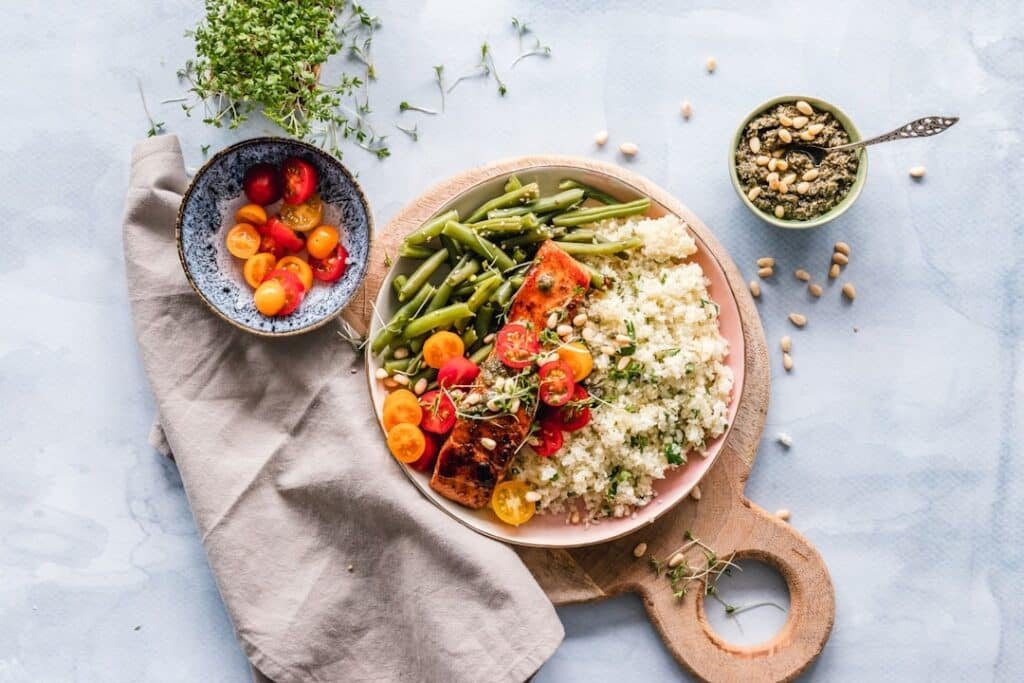
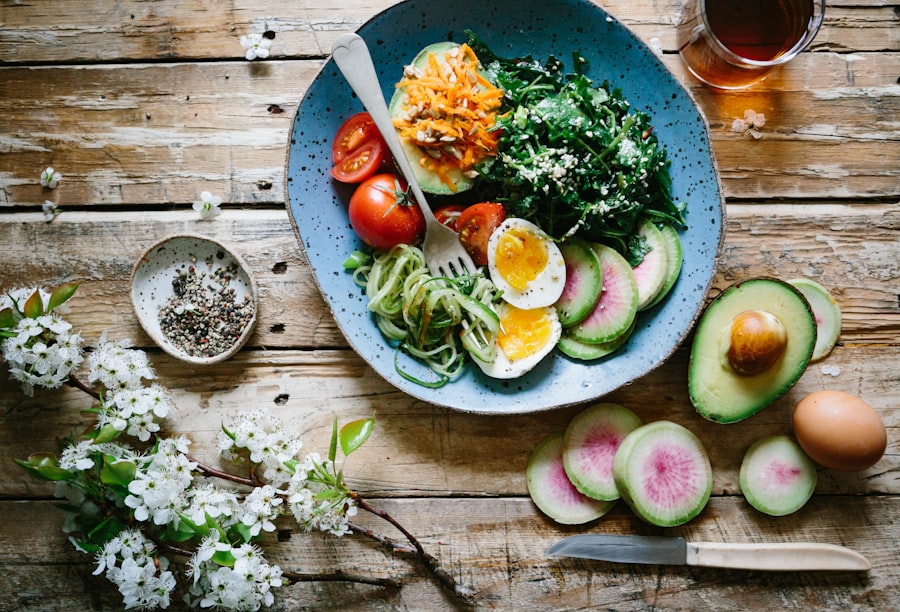
When it comes to fat loss, nutrition plays a pivotal role in shaping your success. You might be tempted to follow the latest fad diet or restrictive eating plan, but sustainable fat loss is best achieved through balanced nutrition. Focus on incorporating whole foods into your diet, such as fruits, vegetables, lean proteins, whole grains, and healthy fats.
These nutrient-dense options not only provide essential vitamins and minerals but also keep you feeling satisfied and energized throughout the day. It’s also important to pay attention to portion sizes and mindful eating practices. You may find that simply being aware of what you eat can lead to healthier choices.
Consider keeping a food journal to track your meals and snacks; this can help you identify patterns in your eating habits and make necessary adjustments. Additionally, don’t forget the importance of meal planning. By preparing your meals in advance, you can avoid impulsive food choices that may derail your progress.
Exercise and Physical Activity
Incorporating regular exercise into your routine is another critical component of fat loss. You may feel overwhelmed by the idea of committing to an intense workout regimen, but remember that physical activity doesn’t have to be extreme to be effective. Start by finding activities you enjoy, whether it’s walking, dancing, swimming, or cycling.
The key is to make movement a regular part of your life rather than viewing it as a chore. Aim for a combination of cardiovascular exercises and strength training to maximize fat loss. Cardio workouts elevate your heart rate and burn calories, while strength training helps build lean muscle mass, which can increase your resting metabolic rate.
As you progress, consider gradually increasing the intensity or duration of your workouts to continue challenging yourself. Remember that consistency is vital; even short bouts of activity can add up over time and contribute significantly to your overall fat loss goals.
Stress Management
Stress can be a significant barrier to achieving your fat loss goals. When you’re under pressure, your body produces cortisol, a hormone that can lead to increased appetite and cravings for unhealthy foods. To combat this, it’s essential to develop effective stress management techniques that work for you.
You might explore practices such as mindfulness meditation, yoga, or deep breathing exercises to help reduce stress levels and promote relaxation. Additionally, consider incorporating activities that bring you joy into your daily routine. Whether it’s spending time with loved ones, engaging in hobbies, or simply taking a walk in nature, finding ways to unwind can have a positive impact on both your mental well-being and your fat loss journey.
By addressing stress proactively, you can create a more conducive environment for achieving your goals.
Sleep and Rest
Never underestimate the power of sleep in your fat loss journey. Quality rest is essential for recovery and overall health; when you’re well-rested, you’re more likely to make better food choices and stay motivated to exercise. Aim for seven to nine hours of sleep each night, and establish a consistent sleep schedule by going to bed and waking up at the same time every day.
This routine can help regulate your body’s internal clock and improve the quality of your sleep. If you struggle with sleep disturbances, consider creating a calming bedtime routine that signals to your body it’s time to wind down. This might include activities such as reading, taking a warm bath, or practicing relaxation techniques.
Reducing screen time before bed is also crucial; the blue light emitted by devices can interfere with your ability to fall asleep. Prioritizing rest will not only support your fat loss efforts but also enhance your overall quality of life.
Hydration

Staying adequately hydrated is often overlooked in discussions about fat loss, yet it plays a vital role in your overall health and well-being. Water is essential for numerous bodily functions, including digestion, metabolism, and temperature regulation. When you’re dehydrated, you may experience fatigue or confusion, which can hinder your ability to make healthy choices throughout the day.
Aim to drink at least eight glasses of water daily, adjusting based on your activity level and climate. In addition to plain water, consider incorporating hydrating foods into your diet. Fruits and vegetables like cucumbers, watermelon, oranges, and strawberries are excellent sources of hydration and provide essential nutrients as well.
You might also explore herbal teas or infused water for added flavor without extra calories. Staying hydrated not only supports your fat loss efforts but also contributes to improved energy levels and overall health.
Alcohol and Sugary Drinks
Alcohol and sugary drinks can significantly impact your fat loss journey if consumed in excess. These beverages are often high in empty calories that provide little nutritional value while contributing to weight gain. If you enjoy an occasional drink or sweetened beverage, moderation is key.
Consider setting limits for yourself or opting for lower-calorie alternatives when possible. When it comes to alcohol, be mindful of how it affects your appetite and decision-making abilities. Drinking can lower inhibitions and lead to poor food choices that may derail your progress.
If you’re looking for ways to enjoy social situations without compromising your goals, consider choosing lighter options or alternating alcoholic drinks with water. By being conscious of what you consume, you can maintain control over your fat loss journey while still enjoying life’s pleasures.
Consistency and Patience
Ultimately, the most crucial aspect of successful fat loss is consistency combined with patience. You may find yourself facing setbacks or plateaus along the way; this is entirely normal and part of the process. Instead of becoming discouraged by temporary obstacles, focus on maintaining healthy habits over time.
Remember that lasting change takes time; quick fixes rarely lead to sustainable results. To cultivate consistency in your routine, consider setting small, achievable goals that allow you to celebrate progress along the way. This could involve tracking your workouts or meal planning for the week ahead.
By recognizing each step forward as an accomplishment, you’ll build momentum that keeps you motivated on your journey toward fat loss. Embrace the process with an open mind and heart; with dedication and perseverance, you’ll achieve the results you’re striving for while fostering a healthier lifestyle overall.
If you are looking for more information on how to burn fat at home, check out this article on how to burn fat at home. This article provides tips and tricks for achieving fat loss in the comfort of your own home. Additionally, if you are interested in learning about the best exercises to burn fat, be sure to read this article on the best exercises to burn fat. It offers insights into the most effective exercises for fat loss and how to incorporate them into your workout routine.
FAQs
What are the best lifestyle changes for fat loss?
Some of the best lifestyle changes for fat loss include increasing physical activity, improving diet quality, getting enough sleep, managing stress, and staying hydrated.
How does increasing physical activity help with fat loss?
Increasing physical activity helps with fat loss by burning more calories, improving metabolism, and building lean muscle mass, which can help increase overall calorie expenditure.
What are some examples of improving diet quality for fat loss?
Improving diet quality for fat loss includes eating more whole foods such as fruits, vegetables, lean proteins, and whole grains, while reducing intake of processed foods, sugary drinks, and high-calorie snacks.
How does getting enough sleep contribute to fat loss?
Getting enough sleep is important for fat loss because inadequate sleep can disrupt hormone levels related to hunger and appetite, leading to increased cravings and overeating.
Why is managing stress important for fat loss?
Managing stress is important for fat loss because chronic stress can lead to emotional eating and increased levels of cortisol, a hormone that can promote fat storage, especially around the abdominal area.
How does staying hydrated help with fat loss?
Staying hydrated can help with fat loss by promoting satiety, reducing calorie intake from sugary drinks, and supporting overall metabolic function.