

When embarking on a journey toward fat loss, it’s essential to grasp the fundamental principles that govern how your body sheds excess weight. At its core, fat loss occurs when you create a caloric deficit, meaning you consume fewer calories than your body expends. This deficit forces your body to tap into its fat reserves for energy, leading to a gradual reduction in body fat.
However, it’s not just about cutting calories; understanding the role of macronutrients—proteins, fats, and carbohydrates—is crucial. Each plays a unique role in your body’s metabolism and overall health, influencing how efficiently you can lose fat. Moreover, it’s important to recognize that fat loss is not a linear process.
Your body may respond differently at various stages, and factors such as hormonal changes, stress levels, and sleep quality can significantly impact your progress. You might find that your weight fluctuates from week to week, which is entirely normal. Instead of becoming discouraged by these variations, focus on the bigger picture.
Embrace the journey as a holistic process that involves not just physical changes but also mental and emotional growth.
Key Takeaways
- Understanding the Basics of Fat Loss: Focus on creating a calorie deficit through a combination of diet and exercise to lose fat.
- Setting Realistic Goals: Set achievable and specific goals for fat loss to stay motivated and track progress.
- Identifying Nutrient-Dense Foods: Choose whole, unprocessed foods that are rich in nutrients and low in calories to support fat loss.
- Planning Balanced Meals: Create meals that include a balance of protein, healthy fats, and complex carbohydrates to support fat loss and overall health.
- Incorporating Regular Exercise: Engage in a combination of cardio and strength training exercises to support fat loss and improve overall fitness.
Setting Realistic Goals
As you set out on your fat loss journey, establishing realistic and achievable goals is paramount. It’s easy to get caught up in the allure of rapid weight loss promises, but sustainable change takes time and effort. Start by defining what success looks like for you.
Instead of aiming for an arbitrary number on the scale, consider setting goals that focus on behaviors and habits. For instance, you might aim to exercise three times a week or incorporate more vegetables into your meals. These types of goals are not only attainable but also foster a sense of accomplishment as you progress.
Additionally, it’s wise to break down your larger goals into smaller, manageable milestones. This approach allows you to celebrate small victories along the way, keeping you motivated and engaged in the process. For example, if your ultimate goal is to lose 20 pounds, consider setting a target of losing 1-2 pounds per week.
This gradual approach is not only healthier but also more sustainable in the long run. Remember, the journey to fat loss is a marathon, not a sprint; patience and persistence will be your greatest allies.
Identifying Nutrient-Dense Foods
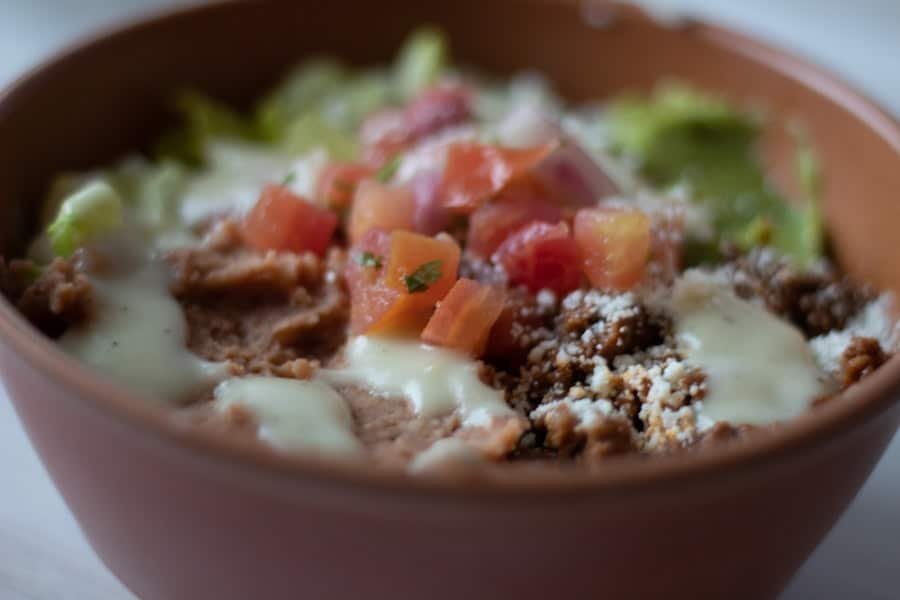
A critical aspect of successful fat loss is learning to identify and incorporate nutrient-dense foods into your diet. Nutrient-dense foods are those that provide a high amount of vitamins, minerals, and other beneficial nutrients relative to their calorie content. By focusing on these foods, you can nourish your body while still maintaining a caloric deficit.
Think leafy greens, colorful vegetables, lean proteins, whole grains, and healthy fats. These foods not only support your overall health but also help keep you feeling full and satisfied. In contrast, it’s equally important to be mindful of foods that are calorie-dense but low in nutrients.
Processed snacks, sugary beverages, and fast food may be tempting due to their convenience and taste, but they often lead to overeating without providing the essential nutrients your body needs. By prioritizing whole foods and minimizing processed options, you’ll find it easier to manage your hunger levels and make healthier choices throughout the day. As you become more familiar with nutrient-dense options, you’ll likely discover new flavors and recipes that make healthy eating enjoyable.
Planning Balanced Meals
Meal planning is an invaluable tool in your fat loss arsenal. By taking the time to plan balanced meals ahead of time, you can ensure that you’re meeting your nutritional needs while staying within your caloric goals. A balanced meal typically includes a source of protein, healthy fats, and complex carbohydrates, along with plenty of fruits and vegetables.
This combination not only provides essential nutrients but also helps stabilize blood sugar levels and keeps you feeling full longer. When planning your meals, consider batch cooking or preparing ingredients in advance to save time during busy weekdays. For instance, you might cook a large batch of quinoa or brown rice at the beginning of the week and use it as a base for various meals.
Incorporating a variety of flavors and textures will keep your meals interesting and satisfying. Don’t hesitate to experiment with herbs and spices to enhance the taste without adding extra calories. By making meal planning a priority, you’ll set yourself up for success and reduce the likelihood of reaching for unhealthy convenience foods when hunger strikes.
Incorporating Regular Exercise
Exercise plays a vital role in any fat loss journey. Not only does it help burn calories, but it also builds muscle mass, which can increase your resting metabolic rate over time. Finding an exercise routine that you enjoy is key; whether it’s dancing, swimming, cycling, or weightlifting, engaging in physical activity should feel rewarding rather than like a chore.
Aim for a mix of cardiovascular exercises and strength training to maximize fat loss while improving overall fitness. Incorporating regular exercise doesn’t have to mean spending hours at the gym every day. You can start small by integrating more movement into your daily routine—take the stairs instead of the elevator, go for brisk walks during lunch breaks, or try short home workouts on days when you’re pressed for time.
The goal is to create a lifestyle that includes physical activity as a natural part of your day rather than viewing it as an obligation. As you become more active, you’ll likely notice improvements in your mood and energy levels, making it easier to stay committed to your fat loss goals.
Monitoring Portion Sizes
While choosing nutrient-dense foods is essential for fat loss, being mindful of portion sizes is equally important. Even healthy foods can contribute to weight gain if consumed in excessive amounts. Learning to recognize appropriate portion sizes can help you maintain a caloric deficit without feeling deprived.
One effective strategy is to use smaller plates or bowls when serving meals; this simple trick can create the illusion of a fuller plate while helping you control portions. Additionally, consider practicing mindful eating techniques. Slow down during meals and pay attention to your hunger cues; this practice can help prevent overeating and promote greater satisfaction with smaller portions.
Try to eliminate distractions while eating—put away your phone or turn off the television—to fully engage with your meal. By fostering a mindful approach to eating and being aware of portion sizes, you’ll develop healthier habits that support your fat loss journey.
Staying Consistent and Patient
Consistency is key when it comes to achieving lasting fat loss results. It’s easy to feel motivated at the beginning of your journey, but maintaining that momentum over time can be challenging. Establishing a routine that incorporates healthy eating and regular exercise will help reinforce positive habits and make them feel like second nature.
Remember that progress may not always be visible on the scale; sometimes it manifests in other ways—like increased energy levels or improved fitness. Patience is equally important as you navigate this journey. Fat loss takes time, and there will inevitably be ups and downs along the way.
Instead of fixating solely on the end goal, focus on enjoying the process and celebrating small achievements as they come. Surround yourself with supportive friends or family members who understand your goals; having a support system can make all the difference when motivation wanes. By staying consistent and patient with yourself, you’ll cultivate resilience that will serve you well beyond just fat loss.
Seeking Professional Guidance
While self-education is valuable on your fat loss journey, seeking professional guidance can provide additional support tailored specifically to your needs. A registered dietitian or nutritionist can help you develop a personalized meal plan that aligns with your goals while ensuring you meet all nutritional requirements. They can also offer insights into portion control and help debunk common myths surrounding dieting.
Additionally, working with a personal trainer can enhance your exercise routine by providing expert advice on proper form and technique while helping you set realistic fitness goals. They can design workouts that suit your fitness level and preferences while keeping things fresh and engaging. Remember that seeking help is not a sign of weakness; rather, it demonstrates your commitment to achieving lasting results in a healthy way.
By investing in professional guidance, you’ll equip yourself with the tools necessary for success on your fat loss journey.
If you are looking to create a fat loss meal plan, you may also be interested in learning about fat burners for men. According to Super Fat Burner, incorporating fat burners into your routine can help boost your metabolism and aid in weight loss. Additionally, if you struggle with sleep apnea, it may be impacting your ability to lose weight. Check out Super Fat Burner for more information on how sleep apnea can affect your weight loss journey. For new moms looking to shed post-pregnancy weight, Super Fat Burner offers tips and advice on how to safely and effectively lose weight after giving birth.
FAQs
What is a fat loss meal plan?
A fat loss meal plan is a structured eating plan designed to help individuals lose body fat by creating a calorie deficit and promoting healthy eating habits.
What should be included in a fat loss meal plan?
A fat loss meal plan should include a variety of nutrient-dense foods such as lean proteins, whole grains, fruits, vegetables, and healthy fats. It should also be tailored to an individual’s specific calorie and macronutrient needs.
How can I create a fat loss meal plan?
To create a fat loss meal plan, start by determining your daily calorie needs and macronutrient goals. Then, plan your meals and snacks around whole, unprocessed foods that align with these goals. It’s also important to consider portion sizes and meal timing.
What are some tips for sticking to a fat loss meal plan?
Some tips for sticking to a fat loss meal plan include meal prepping, tracking your food intake, staying hydrated, and finding healthy, satisfying recipes that you enjoy. It’s also important to practice mindful eating and listen to your body’s hunger and fullness cues.
Is exercise important for fat loss in addition to a meal plan?
Yes, exercise is an important component of a comprehensive fat loss plan. Incorporating both cardiovascular exercise and strength training can help increase calorie expenditure, build lean muscle mass, and improve overall body composition.


