

When you think about a plant-based diet, you might envision a plate filled with vibrant vegetables, grains, and legumes. At its core, a plant-based diet emphasizes foods derived from plants, including fruits, vegetables, nuts, seeds, oils, whole grains, legumes, and beans. While it doesn’t necessarily mean you have to eliminate animal products entirely, the focus is on incorporating more plant-derived foods into your meals.
This dietary approach is not just a trend; it’s a lifestyle choice that many are adopting for health, environmental, and ethical reasons. As you delve deeper into the concept of a plant-based diet, you may discover that it can take various forms. Some individuals choose to follow a vegetarian or vegan lifestyle, while others may adopt a more flexible approach known as “flexitarianism,” where they primarily consume plant-based foods but occasionally include meat or dairy.
Understanding the spectrum of plant-based eating can help you tailor your diet to fit your personal preferences and health goals. This flexibility allows you to enjoy the benefits of plant-based nutrition while still accommodating your lifestyle.
Key Takeaways
- A plant-based diet focuses on consuming foods derived from plants, such as fruits, vegetables, whole grains, nuts, and seeds, while minimizing or eliminating animal products.
- Benefits of a plant-based diet for fat loss include increased fiber intake, lower calorie density, and improved insulin sensitivity, which can lead to more sustainable weight loss.
- Implementing a plant-based diet for fat loss involves gradually transitioning to more plant-based meals, focusing on whole foods, and being mindful of portion sizes.
- Best plant-based foods for fat loss include leafy greens, berries, legumes, quinoa, and tofu, as they are low in calories and high in nutrients.
- Meal planning and recipes for a plant-based fat loss diet can include colorful salads, vegetable stir-fries, lentil soups, and fruit smoothies, which are both nutritious and satisfying.
Benefits of a Plant-Based Diet for Fat Loss
One of the most compelling reasons to consider a plant-based diet is its potential for fat loss. Research has shown that individuals who adopt a plant-based eating pattern often experience lower body weight and reduced body fat compared to those who consume a diet high in animal products. This can be attributed to several factors, including the lower calorie density of plant foods and their high fiber content.
When you fill your plate with fruits, vegetables, and whole grains, you’re likely consuming fewer calories while still feeling full and satisfied. Moreover, a plant-based diet is rich in nutrients that support overall health and well-being. Foods like leafy greens, legumes, and whole grains are packed with vitamins, minerals, and antioxidants that can enhance your metabolism and promote fat loss.
By nourishing your body with these nutrient-dense foods, you’re not only working towards your fat loss goals but also improving your overall health. This holistic approach can lead to sustainable weight management and a healthier lifestyle in the long run.
How to Implement a Plant-Based Diet for Fat Loss
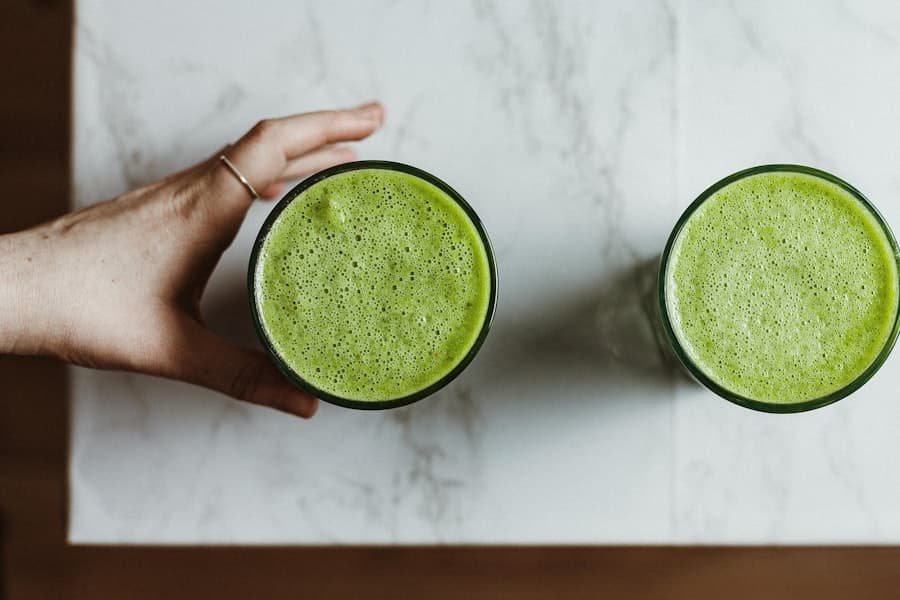
Transitioning to a plant-based diet for fat loss doesn’t have to be overwhelming. Start by gradually incorporating more plant-based meals into your weekly routine. You might begin with “Meatless Mondays” or aim to replace one meal a day with a plant-based option.
This gradual approach allows you to explore new recipes and flavors without feeling deprived of your favorite foods. As you become more comfortable with plant-based cooking, you can increase the frequency of these meals. Another effective strategy is to stock your kitchen with a variety of plant-based staples.
Fill your pantry with whole grains like quinoa, brown rice, and oats; legumes such as lentils and chickpeas; and an assortment of nuts and seeds. Fresh fruits and vegetables should also be at the forefront of your grocery list. By having these ingredients readily available, you’ll find it easier to whip up nutritious meals that align with your fat loss goals.
Remember that planning is key; take some time each week to prepare meals in advance so that you always have healthy options on hand.
Best Plant-Based Foods for Fat Loss
When it comes to selecting the best plant-based foods for fat loss, focus on those that are high in fiber and low in calories. Leafy greens like spinach, kale, and Swiss chard are excellent choices as they are nutrient-dense yet low in calories. These greens can be used in salads, smoothies, or as a base for grain bowls.
Additionally, cruciferous vegetables such as broccoli and cauliflower are not only filling but also packed with vitamins that support metabolic health. Legumes are another powerhouse food group for fat loss. Beans, lentils, and peas are rich in protein and fiber, which can help keep you satiated for longer periods.
Incorporating these foods into your meals can help curb cravings and reduce the likelihood of overeating. Whole grains like quinoa, brown rice, and farro provide essential nutrients while also offering sustained energy throughout the day. By focusing on these nutrient-rich foods, you’ll create a satisfying and balanced diet that supports your fat loss journey.
Meal Planning and Recipes for a Plant-Based Fat Loss Diet
Meal planning is an essential component of successfully following a plant-based diet for fat loss. By taking the time to plan your meals for the week ahead, you can ensure that you have healthy options readily available and reduce the temptation to reach for less nutritious choices. Start by selecting a few recipes that excite you—perhaps a hearty lentil soup or a colorful quinoa salad—and create a shopping list based on those meals.
Incorporating variety into your meal planning is crucial for maintaining interest in your diet. Experiment with different cuisines and flavors; try making a spicy chickpea curry one night and a refreshing vegetable stir-fry the next. Don’t forget about snacks!
Keep healthy options like hummus with carrot sticks or fruit with nut butter on hand to satisfy cravings between meals. By preparing meals in advance and keeping things interesting, you’ll set yourself up for success on your plant-based fat loss journey.
Tips for Success on a Plant-Based Fat Loss Diet
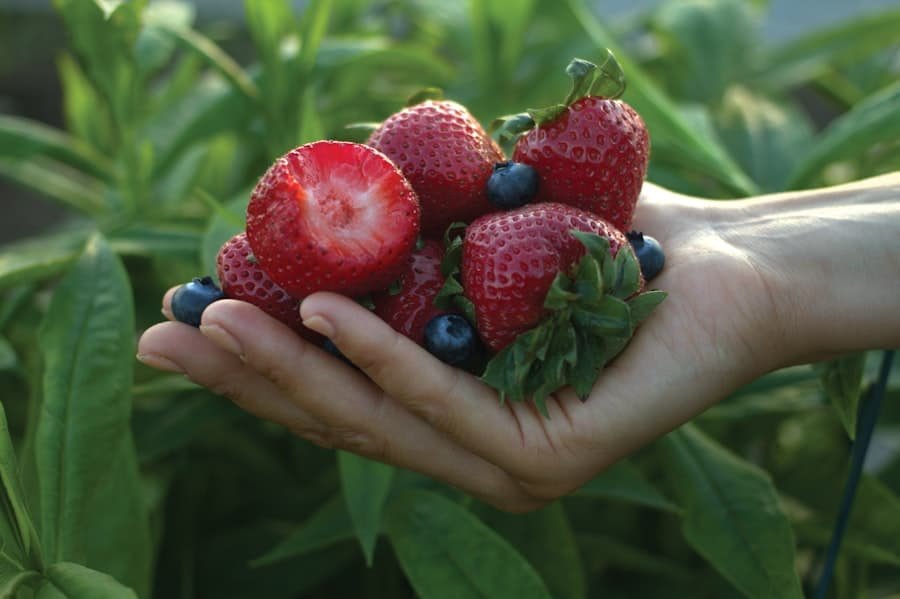
To thrive on a plant-based diet aimed at fat loss, consider adopting some practical tips that can enhance your experience. First and foremost, listen to your body’s hunger cues. It’s essential to eat when you’re hungry and stop when you’re satisfied rather than adhering strictly to portion sizes or calorie counts.
This intuitive approach can help you develop a healthier relationship with food while still achieving your fat loss goals. Another valuable tip is to stay hydrated. Sometimes thirst can be mistaken for hunger, leading to unnecessary snacking.
Aim to drink plenty of water throughout the day; herbal teas can also be a great addition to your hydration routine. Additionally, consider joining online communities or local groups focused on plant-based eating. Connecting with others who share similar goals can provide motivation, support, and inspiration as you navigate your dietary changes.
Potential Pitfalls to Avoid on a Plant-Based Fat Loss Diet
While there are numerous benefits to adopting a plant-based diet for fat loss, there are also potential pitfalls to be aware of. One common mistake is relying too heavily on processed plant-based foods, such as vegan snacks or meat substitutes. While these products can be convenient, they often contain added sugars, unhealthy fats, and preservatives that may hinder your fat loss efforts.
Instead, focus on whole foods that provide maximum nutrition without unnecessary additives. Another pitfall is neglecting protein intake. While plant-based diets can provide adequate protein through legumes, nuts, seeds, and whole grains, it’s essential to ensure you’re consuming enough protein to support muscle maintenance during weight loss.
Incorporate a variety of protein sources into your meals to meet your needs effectively. By being mindful of these potential challenges, you can navigate your plant-based fat loss journey more successfully.
Embracing a Plant-Based Lifestyle for Sustainable Fat Loss
Embracing a plant-based lifestyle for sustainable fat loss is not just about shedding pounds; it’s about fostering a healthier relationship with food and nourishing your body with wholesome ingredients. As you explore the world of plant-based eating, you’ll likely discover new flavors and textures that excite your palate while supporting your health goals. The journey may come with challenges, but by implementing practical strategies and remaining mindful of potential pitfalls, you can create a fulfilling dietary pattern that promotes lasting change.
Ultimately, adopting a plant-based diet is an empowering choice that aligns with both personal health aspirations and broader environmental considerations. As you embark on this journey towards fat loss through plant-based eating, remember that every small step counts. Celebrate your progress along the way and enjoy the myriad benefits that come from nourishing yourself with nature’s bounty.
By committing to this lifestyle change, you’re not only working towards achieving your fat loss goals but also contributing positively to your overall well-being and the planet’s health.
If you are interested in maximizing fat loss while following a plant-based diet, you may want to consider incorporating a thermogenic fat burner into your routine. Thermogenic fat burners can help increase your metabolism and energy levels, making it easier to burn calories and shed excess fat. For more information on thermogenic fat burners, check out this article on thermogenic fat burner and how it can help you achieve your weight loss goals.
FAQs
What is a plant-based diet?
A plant-based diet is a diet that focuses on whole, minimally processed plant foods such as fruits, vegetables, whole grains, nuts, seeds, and legumes. It excludes or minimizes animal products, including meat, dairy, and eggs.
Can a plant-based diet help with fat loss?
Yes, a plant-based diet can help with fat loss. Research has shown that individuals following a plant-based diet tend to have lower body weight and body mass index (BMI) compared to those following a non-plant-based diet. This is likely due to the higher fiber content and lower calorie density of plant-based foods.
What are the benefits of a plant-based diet for fat loss?
A plant-based diet can be beneficial for fat loss due to its high fiber content, which can help with satiety and reducing overall calorie intake. Additionally, plant-based foods are generally lower in calorie density and higher in nutrients, which can support weight management and fat loss.
What are some examples of plant-based foods for fat loss?
Examples of plant-based foods for fat loss include fruits, vegetables, whole grains (such as quinoa, brown rice, and oats), legumes (such as beans, lentils, and chickpeas), nuts, seeds, and plant-based protein sources like tofu and tempeh.
Are there any potential challenges with a plant-based diet for fat loss?
Some potential challenges with a plant-based diet for fat loss include ensuring an adequate intake of essential nutrients such as protein, iron, calcium, and vitamin B12. It’s important to plan meals carefully to meet these nutrient needs and avoid relying on highly processed plant-based foods that may be high in added sugars and unhealthy fats.
Is it necessary to completely eliminate animal products for fat loss on a plant-based diet?
It is not necessary to completely eliminate animal products for fat loss on a plant-based diet, but minimizing their intake can be beneficial. Including small amounts of lean, high-quality animal products such as fish or poultry can still be part of a plant-based diet focused on fat loss.


