

When it comes to fat loss, many people focus primarily on what they eat, often overlooking the significance of when they eat. Meal timing can play a crucial role in your body’s ability to burn fat effectively. By understanding how your body responds to different eating schedules, you can optimize your fat loss efforts.
The timing of your meals can influence your metabolism, hormone levels, and even your appetite, all of which are essential factors in achieving and maintaining a healthy weight. You might find that adjusting your meal timing can lead to more effective fat loss. For instance, eating at specific intervals can help regulate insulin levels, which is vital for fat storage and breakdown.
Additionally, aligning your meals with your body’s natural circadian rhythms can enhance metabolic processes. By recognizing the importance of meal timing, you can create a more tailored approach to your diet that complements your lifestyle and goals.
Key Takeaways
- Meal timing plays a significant role in fat loss by affecting metabolism and energy expenditure.
- Consistent meal timing is important for fat loss as it helps regulate hunger hormones and prevents overeating.
- The best times to eat for optimal fat loss are breakfast, lunch, and an early dinner to align with the body’s natural circadian rhythm.
- Late-night eating can negatively impact fat loss as the body’s metabolism slows down in the evening.
- Structuring meals with a balance of protein, healthy fats, and complex carbohydrates can maximize fat loss and muscle retention.
The Impact of Meal Timing on Metabolism
Your metabolism is a complex system that determines how efficiently your body converts food into energy. Meal timing can significantly influence this process. When you eat, your body goes through a series of metabolic responses that help break down food and utilize its nutrients.
If you consume meals at irregular intervals, you may disrupt these metabolic processes, leading to inefficient energy use and potential weight gain. Eating at regular intervals can help maintain stable blood sugar levels, which is essential for optimal metabolic function. When you eat consistently throughout the day, your body becomes accustomed to processing food at certain times, which can enhance its efficiency in burning calories.
This means that by simply adjusting when you eat, you could potentially boost your metabolism and improve your fat loss results.
The Importance of Consistent Meal Timing for Fat Loss
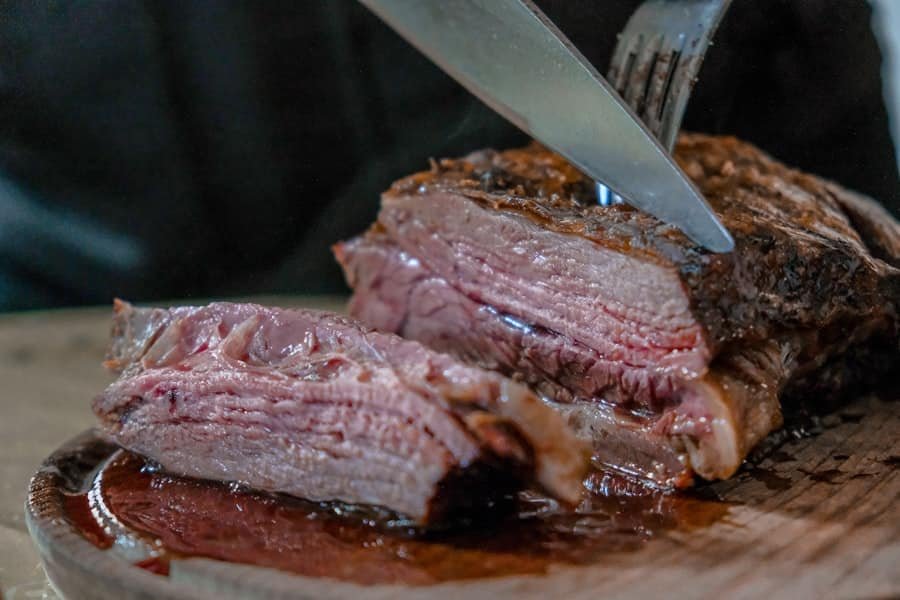
Consistency is key when it comes to meal timing and fat loss. Establishing a regular eating schedule helps train your body to expect food at certain times, which can lead to better digestion and nutrient absorption. When you eat at the same times each day, your body learns to optimize its metabolic processes around those times, making it easier for you to manage hunger and cravings.
Moreover, consistent meal timing can help regulate hormones that are crucial for fat loss. For example, ghrelin, the hormone responsible for hunger, and leptin, which signals fullness, can be influenced by when you eat. By maintaining a steady eating schedule, you can help balance these hormones, reducing the likelihood of overeating and promoting a healthier relationship with food.
The Best Times to Eat for Optimal Fat Loss
Finding the best times to eat for optimal fat loss can vary from person to person, depending on individual schedules and preferences. However, many experts suggest that eating earlier in the day may be more beneficial for fat loss. Consuming a substantial breakfast can kickstart your metabolism and provide you with the energy needed to tackle daily activities.
This early meal sets the tone for the rest of the day and can help prevent excessive snacking later on. In addition to breakfast, spacing out your meals throughout the day can also be advantageous. Aim for three balanced meals with healthy snacks in between if needed.
This approach not only keeps your metabolism active but also helps maintain steady energy levels. Listening to your body’s hunger cues and adjusting meal times accordingly can further enhance your fat loss journey.
The Effect of Late-Night Eating on Fat Loss
Late-night eating has become a common concern for many individuals trying to lose weight. Consuming food close to bedtime can disrupt your body’s natural rhythms and may lead to unwanted weight gain. When you eat late at night, your body may not have enough time to digest the food before you sleep, which can hinder fat burning processes during the night.
Additionally, late-night eating often involves less nutritious choices, as cravings for snacks tend to increase during this time. These choices can lead to excess calorie consumption without providing essential nutrients. To combat this issue, consider setting a cut-off time for eating in the evening.
By establishing a routine that allows for adequate digestion before sleep, you can improve your chances of successful fat loss.
How to Structure Your Meals for Maximum Fat Loss
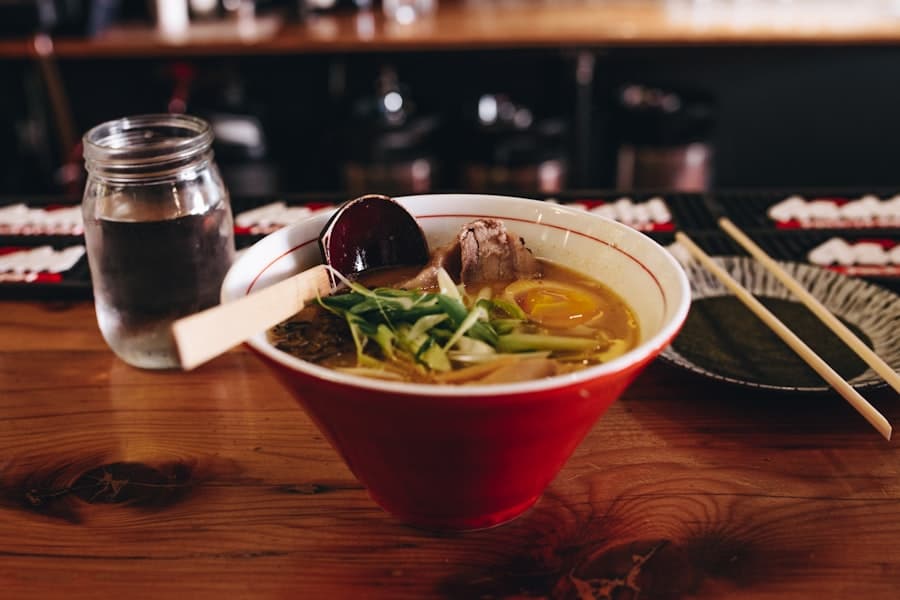
Structuring your meals effectively is essential for maximizing fat loss. Focus on creating balanced meals that include a combination of protein, healthy fats, and complex carbohydrates. Protein is particularly important as it helps build muscle mass and keeps you feeling full longer.
Incorporating lean sources of protein such as chicken, fish, or plant-based options can be beneficial. In addition to protein, don’t forget about healthy fats and fiber-rich carbohydrates. Foods like avocados, nuts, whole grains, and vegetables provide essential nutrients while promoting satiety.
Structuring your meals in this way not only supports fat loss but also ensures that you are nourishing your body adequately throughout the day.
Meal Timing Strategies for Different Lifestyles and Schedules
Your lifestyle plays a significant role in determining how you approach meal timing for fat loss. If you have a busy schedule or work irregular hours, it’s essential to find strategies that work for you. Meal prepping is one effective way to ensure that you have healthy options readily available when hunger strikes.
By preparing meals in advance, you can avoid the temptation of unhealthy snacks or fast food. If you prefer intermittent fasting or have specific eating windows that fit your lifestyle better, consider adopting those practices as well. Intermittent fasting has gained popularity for its potential benefits in fat loss and metabolic health.
However, it’s crucial to listen to your body and choose a method that feels sustainable for you in the long run.
The Role of Meal Timing in Sustaining Fat Loss
Sustaining fat loss requires more than just initial efforts; it involves creating lasting habits that support your goals over time. Meal timing plays a vital role in this process by helping you establish a routine that promotes healthy eating behaviors. By consistently following a structured meal schedule, you are more likely to maintain your weight loss achievements.
Moreover, understanding how meal timing affects your body can empower you to make informed choices even when faced with challenges or temptations. As you become more aware of how different eating patterns impact your energy levels and cravings, you’ll be better equipped to navigate social situations or busy days without derailing your progress. In conclusion, meal timing is an essential component of any successful fat loss strategy.
By understanding its impact on metabolism, consistency, and overall health, you can create a personalized approach that aligns with your lifestyle and goals. Whether you’re adjusting meal times or structuring meals for maximum benefit, being mindful of when you eat can significantly enhance your journey toward sustainable fat loss.
If you are interested in learning more about fat-burning foods, check out this article on the best foods that burn fat. This article provides valuable information on the top foods that can help boost your metabolism and aid in weight loss. Additionally, if you are looking for ways to enhance your fat-burning efforts, you may want to explore the benefits of green tea fat burner pills. Learn more about whether green tea fat burner pills work and how they can support your weight loss journey. And for those who prefer to exercise at home, this article on fat-burning exercises at home for beginners offers simple yet effective workout routines to help you achieve your fitness goals.
FAQs
What is meal timing?
Meal timing refers to the specific times at which you consume your meals and snacks throughout the day. This can include the frequency of meals, the timing of meals in relation to physical activity, and the distribution of macronutrients throughout the day.
Can meal timing affect fat loss?
Some research suggests that meal timing may have an impact on fat loss. For example, some studies have shown that consuming a larger portion of your daily calories earlier in the day may be beneficial for weight management and fat loss.
Is it better to eat smaller, more frequent meals for fat loss?
There is no one-size-fits-all approach to meal timing for fat loss. Some individuals may find that eating smaller, more frequent meals helps them manage their hunger and energy levels, while others may prefer larger, less frequent meals. It ultimately depends on individual preferences and lifestyle.
Should I avoid eating late at night for fat loss?
While some people believe that avoiding late-night eating can aid in fat loss, the timing of your meals and snacks is less important than the overall quality and quantity of your food intake. It’s more important to focus on consuming a balanced diet and managing your overall calorie intake for fat loss.
Are there specific guidelines for meal timing for fat loss?
There are no strict guidelines for meal timing for fat loss, as individual needs and preferences vary. However, some people may find it helpful to space out their meals and snacks evenly throughout the day, while others may prefer to practice intermittent fasting or other meal timing strategies. It’s important to find an approach that works for you and supports your overall health and well-being.


