

The DASH diet, which stands for Dietary Approaches to Stop Hypertension, was originally designed to combat high blood pressure. However, its benefits extend far beyond just managing hypertension. As you delve into the principles of the DASH diet, you will discover that it emphasizes whole foods, rich in nutrients, while minimizing processed items that often contain excessive sodium and unhealthy fats.
This diet encourages a balanced intake of fruits, vegetables, whole grains, lean proteins, and healthy fats, making it not only heart-healthy but also conducive to overall well-being. At its core, the DASH diet is about making sustainable lifestyle changes rather than following a restrictive eating plan. You will find that it promotes a variety of food groups, allowing you to enjoy a diverse range of flavors and textures.
This flexibility can make it easier for you to stick with the diet long-term. By focusing on nutrient-dense foods, the DASH diet helps you feel satisfied and energized while also supporting your weight loss goals. Understanding these foundational principles will empower you to make informed choices that align with your health objectives.
Key Takeaways
- The DASH diet focuses on increasing intake of fruits, vegetables, whole grains, and lean proteins while reducing sodium and processed foods.
- The DASH diet promotes fat loss by emphasizing nutrient-dense foods, reducing calorie intake, and lowering blood pressure, which can lead to weight loss.
- Implementing the DASH diet for weight loss involves meal planning, portion control, and mindful eating to achieve a calorie deficit.
- DASH diet meal planning for fat loss includes incorporating a variety of nutrient-dense foods, controlling portion sizes, and limiting high-calorie and high-fat foods.
- DASH diet exercise recommendations for fat loss include incorporating regular physical activity, such as cardio and strength training, to support weight loss and overall health.
How the Dash Diet Promotes Fat Loss
One of the key reasons the DASH diet is effective for fat loss is its emphasis on whole, unprocessed foods. When you consume foods that are rich in fiber, such as fruits, vegetables, and whole grains, you are more likely to feel full and satisfied after meals. This satiety can help you reduce overall calorie intake without feeling deprived.
Additionally, the DASH diet encourages lean protein sources like fish, poultry, and legumes, which can further enhance feelings of fullness and support muscle maintenance during weight loss. Moreover, the DASH diet is inherently low in added sugars and unhealthy fats, which are often culprits in weight gain. By limiting these ingredients, you can reduce your caloric intake while still enjoying delicious meals.
The focus on nutrient-dense foods means that you are not just cutting calories; you are also nourishing your body with essential vitamins and minerals. This holistic approach not only aids in fat loss but also promotes better health outcomes overall. As you adopt the DASH diet, you may notice improvements in your energy levels and mood, making it easier to stay committed to your weight loss journey.
Implementing the Dash Diet for Weight Loss
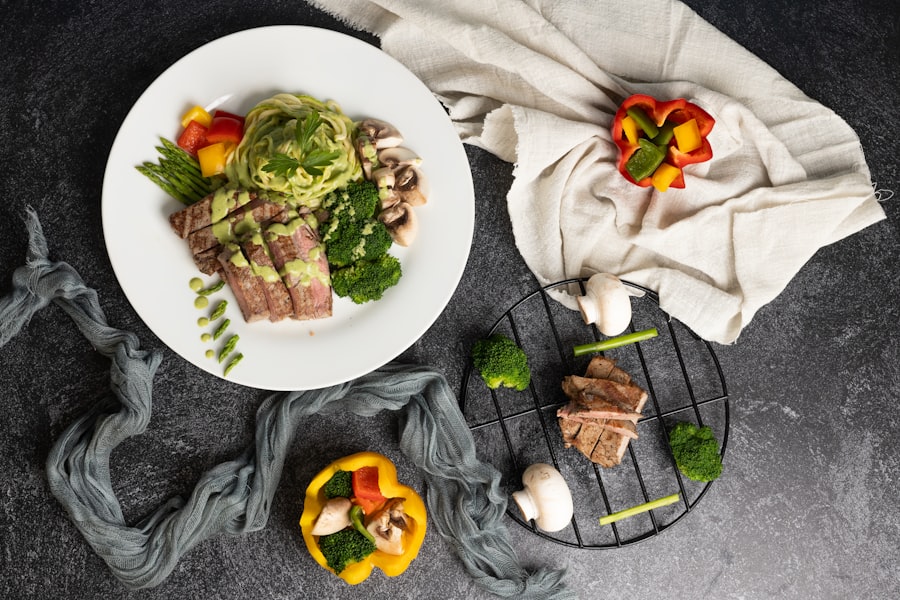
To successfully implement the DASH diet for weight loss, start by familiarizing yourself with its core principles. Begin by assessing your current eating habits and identifying areas where you can make healthier choices. Gradually incorporate more fruits and vegetables into your meals, aiming for at least five servings a day.
You might find it helpful to keep a food diary to track your progress and identify patterns in your eating behavior. As you transition to the DASH diet, consider meal prepping to make healthy eating more convenient. Preparing meals in advance can help you avoid the temptation of reaching for unhealthy snacks or fast food when you’re busy or tired.
Focus on creating balanced meals that include a variety of food groups. For instance, pair whole grains with lean proteins and plenty of colorful vegetables. This not only enhances the nutritional value of your meals but also keeps your palate excited and engaged.
Dash Diet Meal Planning for Fat Loss
Meal planning is a crucial component of successfully following the DASH diet for fat loss. By planning your meals ahead of time, you can ensure that you have access to healthy options throughout the week. Start by creating a weekly menu that includes breakfast, lunch, dinner, and snacks.
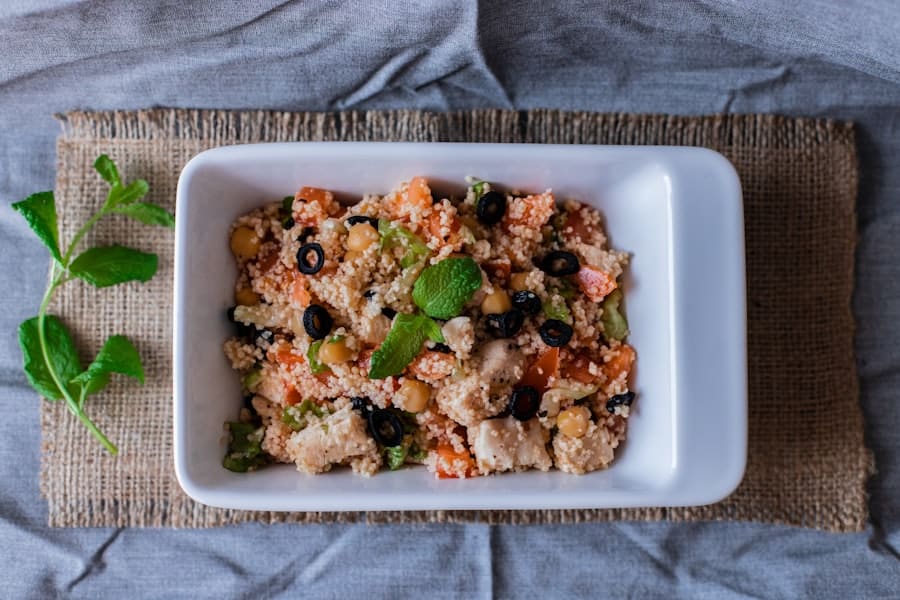
Incorporate a variety of foods to keep your meals interesting and satisfying. For example, consider oatmeal topped with fresh fruit for breakfast, a quinoa salad with mixed vegetables for lunch, and grilled chicken with steamed broccoli for dinner. When grocery shopping, focus on purchasing whole foods rather than processed items.
Stock up on fresh produce, whole grains like brown rice or quinoa, lean proteins such as turkey or tofu, and healthy fats like avocados and nuts. Having these ingredients on hand will make it easier for you to stick to your meal plan and resist the urge to indulge in unhealthy options. Additionally, consider preparing larger batches of meals so that you have leftovers for busy days when cooking may not be feasible.
Dash Diet Exercise Recommendations for Fat Loss
Incorporating regular physical activity into your routine is essential for maximizing fat loss while following the DASH diet. Aim for at least 150 minutes of moderate-intensity aerobic exercise each week, such as brisk walking or cycling. This level of activity not only helps burn calories but also supports cardiovascular health—an important aspect of the DASH diet’s original purpose.
Strength training is another vital component of an effective exercise regimen. Engaging in resistance exercises at least two days a week can help build lean muscle mass, which in turn boosts your metabolism and aids in fat loss. You might consider incorporating bodyweight exercises like squats and push-ups or using resistance bands or weights at home or in the gym.
By combining both aerobic and strength training exercises, you create a well-rounded fitness routine that complements your dietary efforts.
Monitoring Progress on the Dash Diet
Monitoring your progress on the DASH diet is crucial for staying motivated and making necessary adjustments along the way. Start by setting realistic goals for yourself—whether it’s losing a certain amount of weight or simply feeling more energetic. Keep track of your food intake using a journal or a mobile app to help you stay accountable and identify any areas where you may need improvement.
In addition to tracking your food consumption, consider measuring other indicators of progress beyond just weight loss. Take note of how your clothes fit, your energy levels throughout the day, and any improvements in your overall health markers such as blood pressure or cholesterol levels. Regularly assessing these factors can provide valuable insights into how well the DASH diet is working for you and help reinforce your commitment to this healthier lifestyle.
Overcoming Challenges on the Dash Diet
Like any dietary change, following the DASH diet may come with its own set of challenges. One common hurdle is adjusting to new eating habits after years of consuming processed foods high in sugar and sodium. To overcome this challenge, be patient with yourself as you transition to healthier options.
Gradually introduce new foods into your diet rather than attempting an abrupt overhaul; this can make the process feel less overwhelming. Social situations can also pose challenges when adhering to the DASH diet. Dining out or attending gatherings may tempt you with less healthy options.
To navigate these situations successfully, consider reviewing menus ahead of time or suggesting restaurants that offer healthier choices. When attending events, don’t hesitate to bring along a nutritious dish that aligns with your dietary goals; this way, you’ll have something satisfying to enjoy while also sharing healthy eating habits with others.
Success Stories on the Dash Diet
Many individuals have experienced remarkable success by adopting the DASH diet as part of their lifestyle changes. These success stories often highlight not only weight loss but also improvements in overall health and well-being. For instance, some people have reported significant reductions in blood pressure levels after committing to the DASH diet for several months.
This positive change has led them to feel more energetic and confident in their daily lives. Others have shared how the DASH diet has transformed their relationship with food. By focusing on whole foods and balanced meals, they have learned to appreciate flavors and textures they previously overlooked.
These individuals often express gratitude for discovering new recipes and cooking techniques that have made healthy eating enjoyable rather than burdensome. Their journeys serve as inspiring reminders that adopting a healthier lifestyle is not just about losing weight; it’s about fostering a deeper connection with food and improving overall quality of life. In conclusion, understanding and implementing the DASH diet can be a transformative experience for those seeking fat loss and improved health outcomes.
By embracing its principles and making gradual changes to your eating habits and lifestyle, you can achieve lasting results while enjoying a diverse array of delicious foods along the way.
If you are looking to enhance your weight loss journey with the Dash Diet, you may also want to consider incorporating core strengthening exercises into your routine. A strong core can help improve posture, balance, and overall strength, making it easier to engage in physical activity and burn more calories. Check out this article on core strengthening exercises to learn more about how to effectively target and strengthen your core muscles for better fat loss results.
FAQs
What is the DASH Diet?
The DASH (Dietary Approaches to Stop Hypertension) Diet is a dietary plan designed to help lower blood pressure and improve overall health. It emphasizes consuming fruits, vegetables, whole grains, lean proteins, and low-fat dairy while limiting sodium, saturated fats, and added sugars.
How does the DASH Diet promote fat loss?
The DASH Diet promotes fat loss by encouraging the consumption of nutrient-dense foods that are low in calories and high in fiber, which can help individuals feel full and satisfied while consuming fewer calories. Additionally, the emphasis on whole foods and limiting processed foods can support weight loss.
Is the DASH Diet effective for weight loss?
Yes, the DASH Diet has been shown to be effective for weight loss. Studies have demonstrated that following the DASH Diet can lead to significant weight loss, particularly when combined with regular physical activity.
Are there any potential drawbacks to the DASH Diet for fat loss?
Some individuals may find it challenging to adhere to the DASH Diet’s recommendations, particularly if they are accustomed to consuming high levels of sodium, saturated fats, and added sugars. Additionally, some people may need to make adjustments to their meal planning and cooking habits to fully embrace the DASH Diet.
Can the DASH Diet be personalized for individual fat loss goals?
Yes, the DASH Diet can be personalized to support individual fat loss goals. By working with a healthcare professional or registered dietitian, individuals can modify the DASH Diet to meet their specific calorie and nutrient needs while still following the principles of the diet.


