

When you embark on a fitness journey, understanding fat burner exercises is crucial to achieving your goals. These exercises are specifically designed to elevate your heart rate and increase calorie expenditure, which ultimately leads to fat loss. You might be wondering what sets these exercises apart from regular workouts.
The key lies in their intensity and the way they engage your body’s energy systems. Fat burner exercises often involve a combination of aerobic and anaerobic activities, allowing you to tap into different energy sources and maximize your fat-burning potential. As you delve deeper into fat burner exercises, you’ll discover that they can take many forms, from high-intensity interval training (HIIT) to steady-state cardio.
The beauty of these exercises is that they can be tailored to fit your fitness level and preferences. Whether you enjoy running, cycling, or even dancing, there’s a fat-burning exercise that can work for you. By incorporating these activities into your routine, you not only enhance your physical appearance but also improve your overall health and well-being.
Key Takeaways
- Fat burner exercises focus on increasing heart rate and burning calories to promote fat loss
- The science behind fat burning involves the body using stored fat as fuel during exercise
- Best fat burner exercises for beginners include walking, cycling, and swimming
- High intensity fat burner workouts like HIIT and circuit training can maximize calorie burn and fat loss
- Incorporating strength training into fat burner exercises can help build lean muscle and boost metabolism
The Science Behind Fat Burning
To truly grasp the concept of fat burning, it’s essential to understand the science that underpins it. Your body relies on different energy systems to fuel various types of physical activity. During low-intensity exercises, your body primarily uses fat as a fuel source.
However, as the intensity increases, your body shifts to using carbohydrates for energy. This is where the magic of fat burner exercises comes into play. By engaging in high-intensity workouts, you can create an oxygen deficit that forces your body to continue burning calories even after the workout has ended—a phenomenon known as excess post-exercise oxygen consumption (EPOC).
Moreover, hormonal responses play a significant role in fat burning. When you engage in intense physical activity, your body releases hormones such as adrenaline and norepinephrine, which help mobilize fat stores for energy. This hormonal response not only aids in immediate fat loss but also contributes to long-term changes in body composition.
Understanding these mechanisms can empower you to make informed choices about your workout routine and optimize your efforts in the quest for fat loss.
Best Fat Burner Exercises for Beginners

If you’re just starting out on your fitness journey, it’s important to choose fat burner exercises that are accessible and effective. One of the best options for beginners is brisk walking or jogging. These activities elevate your heart rate while being gentle on your joints, making them ideal for those who are new to exercise.
You can gradually increase the intensity by incorporating intervals—alternating between walking and jogging—to challenge yourself further and boost calorie burn. Another excellent choice for beginners is bodyweight exercises such as squats, lunges, and push-ups. These movements not only help build strength but also elevate your heart rate when performed in quick succession.
You can create a simple circuit by combining these exercises with short rest periods in between. This approach not only enhances your cardiovascular fitness but also lays a solid foundation for more advanced fat burner workouts in the future.
High Intensity Fat Burner Workouts
As you progress in your fitness journey, you may want to explore high-intensity fat burner workouts that push your limits and maximize calorie burn. HIIT is one of the most popular methods for achieving this goal. In a typical HIIT session, you alternate between short bursts of intense activity and brief recovery periods.
For example, you might sprint for 30 seconds followed by a minute of walking or light jogging. This format keeps your heart rate elevated and encourages your body to burn fat efficiently. Incorporating exercises like burpees, jump squats, and mountain climbers into your HIIT routine can further enhance its effectiveness.
These compound movements engage multiple muscle groups and elevate your heart rate even more. As you become more comfortable with high-intensity workouts, you can experiment with different intervals and exercise combinations to keep things fresh and challenging. The key is to listen to your body and gradually increase the intensity as you build strength and endurance.
Incorporating Strength Training for Fat Burning
While cardio is often associated with fat burning, strength training plays a vital role in the process as well. When you lift weights or perform resistance exercises, you create micro-tears in your muscle fibers. As your body repairs these tears, it builds lean muscle mass, which in turn boosts your resting metabolic rate.
This means that even when you’re not exercising, your body continues to burn calories at an elevated rate due to the increased muscle mass. To effectively incorporate strength training into your fat-burning routine, consider full-body workouts that target major muscle groups. Exercises like deadlifts, bench presses, and rows are excellent choices that promote muscle growth while also elevating your heart rate.
Aim for two to three strength training sessions per week, allowing adequate recovery time between workouts. By combining strength training with cardio and fat burner exercises, you create a well-rounded fitness regimen that maximizes fat loss and improves overall health.
The Role of Cardio in Fat Burner Exercises
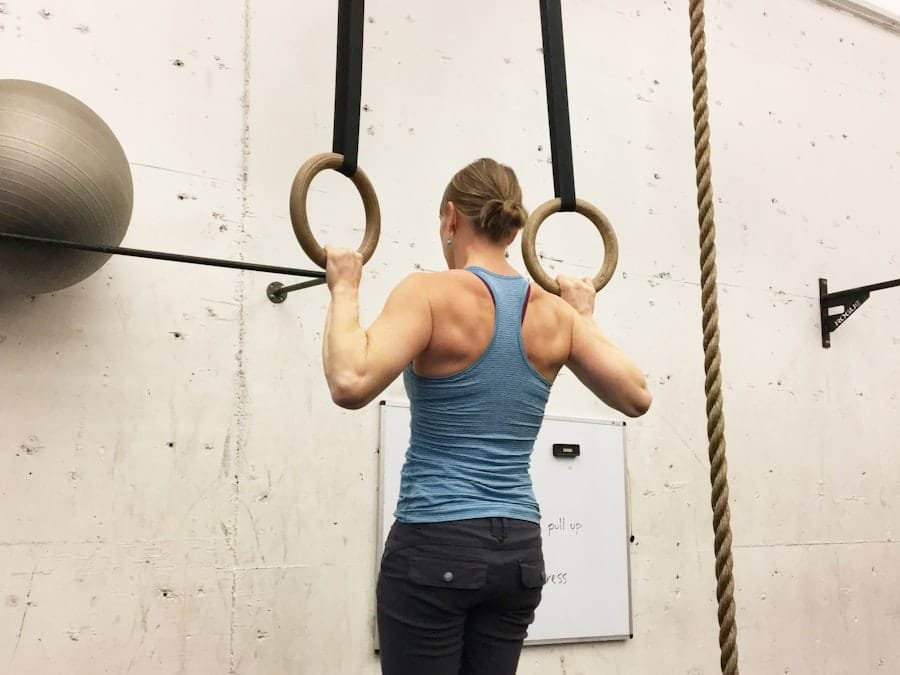
Cardiovascular exercise is often hailed as a cornerstone of any effective fat-burning program. Engaging in regular cardio workouts helps improve your heart health, increase lung capacity, and enhance overall endurance. When it comes to fat burning specifically, cardio exercises elevate your heart rate and promote calorie expenditure during the workout itself.
Activities like running, cycling, swimming, or even dancing can be incredibly effective at burning calories and shedding unwanted fat. However, it’s important to strike a balance between cardio and other forms of exercise. While steady-state cardio can be beneficial for building endurance and burning calories, incorporating interval training can yield even greater results in terms of fat loss.
By alternating between high-intensity bursts and lower-intensity recovery periods, you can keep your metabolism revved up long after the workout is over. This combination of steady-state and interval training allows you to reap the benefits of both approaches while keeping your workouts varied and engaging.
The Importance of Nutrition in Fat Burning
While exercise is a crucial component of any fat-burning strategy, nutrition plays an equally important role in achieving your goals. To effectively burn fat, you need to fuel your body with the right nutrients while maintaining a caloric deficit—consuming fewer calories than you expend. Focus on incorporating whole foods into your diet, such as lean proteins, whole grains, fruits, and vegetables.
These foods provide essential nutrients while keeping you satiated and energized for your workouts. Additionally, paying attention to macronutrient ratios can help optimize fat burning. A diet rich in protein can support muscle growth and repair while also promoting feelings of fullness.
Healthy fats from sources like avocados, nuts, and olive oil can provide sustained energy during workouts. Carbohydrates are also important for fueling high-intensity exercise; however, choosing complex carbohydrates over simple sugars can help stabilize blood sugar levels and prevent energy crashes.
Tips for Maximizing Fat Burner Exercises
To truly maximize the effectiveness of your fat burner exercises, consider implementing a few key strategies into your routine. First and foremost, consistency is key. Establishing a regular workout schedule will help you stay committed to your goals and ensure that you’re continually challenging yourself.
Aim for at least 150 minutes of moderate-intensity or 75 minutes of high-intensity exercise each week. Another important tip is to track your progress over time. Keeping a workout journal or using fitness apps can help you monitor improvements in strength, endurance, and overall fitness levels.
This not only provides motivation but also allows you to make necessary adjustments to your routine as needed. Lastly, don’t underestimate the power of rest and recovery. Allowing your body time to recuperate is essential for preventing injuries and ensuring long-term success in your fitness journey.
Incorporate rest days into your schedule and prioritize sleep to support optimal recovery and performance. By understanding the principles behind fat burner exercises and implementing these strategies into your routine, you’ll be well on your way to achieving your fitness goals while enjoying the journey along the way.
If you’re looking to maximize your fat burning potential, incorporating a fat burner pre-workout supplement into your routine could be beneficial. According to a recent article on { lazyloadBackgroundObserver.observe( lazyloadBackground ); } ); }; const events = [ 'DOMContentLoaded', 'elementor/lazyload/observe', ]; events.forEach( ( event ) => { document.addEventListener( event, lazyloadRunObserver ); } );