

Embarking on a fat burner diet plan requires a clear understanding of its principles and objectives. At its core, this diet is designed to enhance your body’s ability to burn fat more efficiently. It typically emphasizes a combination of nutrient-dense foods, strategic meal timing, and a balanced intake of macronutrients.
The goal is not just to lose weight but to promote overall health and well-being by optimizing your metabolism and energy levels. By focusing on foods that support fat oxidation, you can create an environment in your body that encourages fat loss while preserving lean muscle mass. To effectively implement a fat burner diet plan, you need to consider your individual needs and lifestyle.
This means assessing your current eating habits, activity levels, and any specific health concerns you may have. A successful fat burner diet is not a one-size-fits-all approach; it should be tailored to fit your unique circumstances. You might find it helpful to keep a food diary or consult with a nutritionist to identify areas for improvement.
Understanding the science behind how your body processes food and burns fat will empower you to make informed choices that align with your goals.
Key Takeaways
- The Fat Burner Diet Plan focuses on consuming foods that boost metabolism and promote fat burning.
- Benefits of the Fat Burner Diet Plan include increased energy, improved weight management, and reduced risk of chronic diseases.
- Foods to include in a Fat Burner Diet Plan are lean proteins, whole grains, fruits, vegetables, and healthy fats like avocados and nuts.
- Foods to avoid in a Fat Burner Diet Plan are processed foods, sugary snacks, fried foods, and high-calorie beverages.
- A sample Fat Burner Diet Plan may include meals like oatmeal with berries for breakfast, grilled chicken salad for lunch, and salmon with quinoa for dinner.
Benefits of a Fat Burner Diet Plan
The benefits of adopting a fat burner diet plan extend beyond mere weight loss. One of the most significant advantages is the potential for improved metabolic health. By incorporating foods that promote fat burning, you can enhance your body’s ability to utilize stored fat for energy, which can lead to more sustainable weight management.
Additionally, this diet often encourages the consumption of whole, unprocessed foods, which can improve your overall nutrient intake and support better health outcomes. Another key benefit is the increase in energy levels that many people experience when following a fat burner diet plan. As you shift your focus to nutrient-dense foods, you may find that you feel more energized throughout the day.
This boost in energy can enhance your performance in daily activities and workouts, making it easier to maintain an active lifestyle. Furthermore, many individuals report improved mental clarity and focus when they consume a balanced diet rich in healthy fats, lean proteins, and fiber, all of which are staples of a fat burner diet.
Foods to Include in a Fat Burner Diet Plan
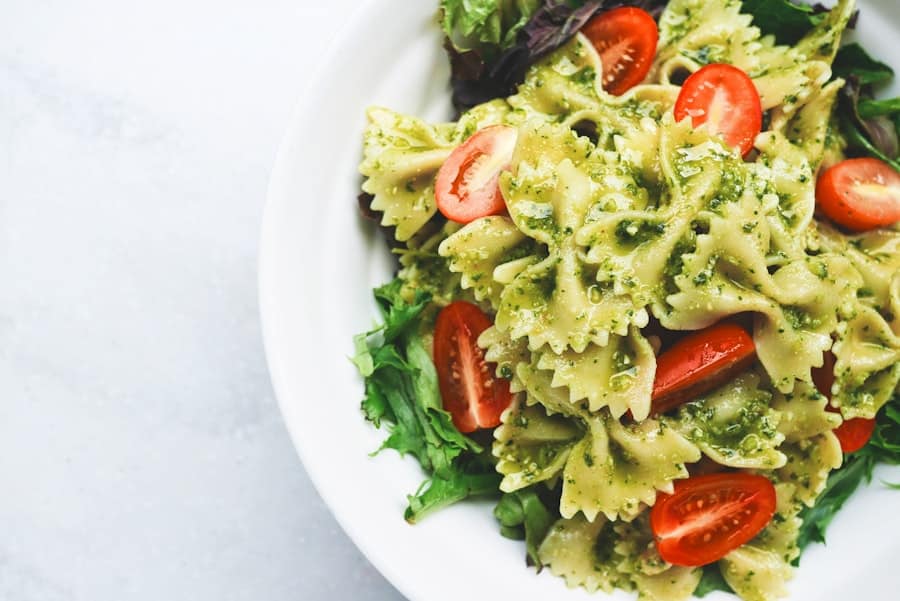
When crafting your fat burner diet plan, it’s essential to include foods that are known for their fat-burning properties. Lean proteins such as chicken, turkey, fish, and legumes should be staples in your meals. These foods not only help build and repair muscle but also require more energy for digestion, which can boost your metabolism.
Incorporating healthy fats from sources like avocados, nuts, seeds, and olive oil can also be beneficial. These fats provide essential nutrients and help keep you satiated, reducing the likelihood of overeating. In addition to proteins and healthy fats, you should prioritize high-fiber foods such as vegetables, fruits, and whole grains.
Fiber aids in digestion and helps regulate blood sugar levels, which can prevent cravings and promote a feeling of fullness. Foods like leafy greens, berries, quinoa, and brown rice are excellent choices that can support your fat-burning efforts. Spices such as cayenne pepper and cinnamon can also be included for their metabolism-boosting properties.
By focusing on these nutrient-rich foods, you can create satisfying meals that align with your fat-burning goals.
Foods to Avoid in a Fat Burner Diet Plan
While there are many foods that can support your fat-burning journey, there are also those that can hinder your progress. Processed foods high in added sugars and unhealthy fats should be avoided as much as possible. Items like sugary snacks, sodas, and fast food can lead to weight gain and negatively impact your overall health.
These foods often provide empty calories without essential nutrients, making it easy to overconsume without feeling satisfied. Additionally, refined carbohydrates such as white bread, pastries, and sugary cereals can spike your blood sugar levels and lead to increased cravings later on. Instead of these options, opt for whole grains that provide sustained energy and keep you feeling full longer.
Alcohol is another item to consider limiting; while it may be enjoyable in moderation, excessive consumption can contribute to weight gain and hinder your fat-burning efforts. By being mindful of what you include in your diet, you can create a more effective fat burner plan.
Sample Fat Burner Diet Plan
Creating a sample fat burner diet plan can help you visualize how to incorporate the principles discussed earlier into your daily routine. For breakfast, consider starting your day with a protein-packed smoothie made with spinach, banana, Greek yogurt, and a tablespoon of almond butter. This combination provides essential nutrients while keeping you full until lunchtime.
For lunch, a quinoa salad with grilled chicken, mixed vegetables, and a drizzle of olive oil can offer a satisfying meal rich in protein and healthy fats. For dinner, think about preparing baked salmon with steamed broccoli and sweet potatoes. This meal is not only delicious but also packed with omega-3 fatty acids and fiber.
Snacking throughout the day is important too; consider options like carrot sticks with hummus or a handful of mixed nuts to keep your energy levels stable. Remember to stay hydrated by drinking plenty of water throughout the day; sometimes thirst can be mistaken for hunger.
Exercise and Fat Burner Diet Plan
Integrating exercise into your fat burner diet plan is crucial for maximizing results. While dietary changes play a significant role in weight loss and fat burning, physical activity complements these efforts by increasing calorie expenditure and promoting muscle growth. Aim for a combination of cardiovascular exercises—such as running, cycling, or swimming—and strength training workouts to build lean muscle mass.
Muscle tissue burns more calories at rest than fat tissue does, so increasing your muscle mass can enhance your metabolism over time. Incorporating high-intensity interval training (HIIT) into your routine can also be particularly effective for fat burning. HIIT workouts alternate between short bursts of intense activity followed by periods of rest or lower-intensity exercise.
This approach not only saves time but has been shown to increase post-exercise calorie burn significantly. Pairing regular exercise with your fat burner diet plan will create a synergistic effect that accelerates your progress toward achieving your goals.
Tips for Success on a Fat Burner Diet Plan
To ensure success on your fat burner diet plan, consider implementing several practical tips that can help you stay on track. First and foremost, meal prepping can be a game-changer. By preparing meals in advance, you reduce the temptation to reach for unhealthy options when hunger strikes.
Set aside time each week to plan and prepare nutritious meals that align with your dietary goals. Another important tip is to practice mindful eating. This means paying attention to what you eat and savoring each bite rather than eating mindlessly while distracted by screens or other activities.
Mindful eating can help you recognize hunger cues and prevent overeating. Additionally, setting realistic goals is essential; aim for gradual weight loss rather than drastic changes that may be unsustainable in the long run. Celebrate small victories along the way to keep yourself motivated.
Potential Risks and Considerations for a Fat Burner Diet Plan
While a fat burner diet plan can offer numerous benefits, it’s essential to be aware of potential risks and considerations before diving in headfirst. One concern is the possibility of nutrient deficiencies if the diet is too restrictive or eliminates entire food groups without proper planning. It’s crucial to ensure that you’re still getting all the vitamins and minerals your body needs to function optimally.
Another consideration is the psychological aspect of dieting; some individuals may develop an unhealthy relationship with food or experience feelings of deprivation when following strict dietary guidelines. It’s important to approach any diet with balance in mind and allow yourself occasional treats without guilt. Consulting with a healthcare professional or registered dietitian before starting any new diet plan can provide valuable insights tailored to your specific needs and help mitigate potential risks.
In conclusion, understanding the intricacies of a fat burner diet plan can empower you to make informed choices that align with your health goals. By focusing on nutrient-dense foods while incorporating regular exercise and mindful practices, you can create a sustainable approach to weight management that promotes overall well-being. Remember that every individual’s journey is unique; what works for one person may not work for another.
Stay patient with yourself as you navigate this path toward better health.
If you are looking for a supplement to aid in your fat burning journey, you may want to consider trying Garcinia Cambogia. This natural ingredient has been shown to help with weight loss and appetite suppression. For those looking to not only burn fat but also build muscle, a Burn Fat Build Muscle Workout plan may be just what you need. This article provides tips and exercises to help you achieve your fitness goals. Additionally, if you are interested in a comprehensive Fat Loss Muscle Gain Routine, this article offers a detailed plan to help you maximize your results. Check out these resources to enhance your fat burner diet plan. Source
FAQs
What is a fat burner diet plan?
A fat burner diet plan is a structured eating plan designed to help individuals lose body fat by consuming specific foods and following certain guidelines to boost metabolism and promote fat burning.
How does a fat burner diet plan work?
A fat burner diet plan typically focuses on consuming foods that are high in protein, fiber, and healthy fats, while limiting the intake of refined carbohydrates and processed foods. This can help increase satiety, regulate blood sugar levels, and promote the body’s ability to burn fat for energy.
What are some common foods included in a fat burner diet plan?
Common foods included in a fat burner diet plan may include lean proteins such as chicken, turkey, and fish, as well as fruits, vegetables, whole grains, nuts, seeds, and healthy fats like avocado and olive oil.
Are there any potential risks or drawbacks to following a fat burner diet plan?
Following a fat burner diet plan may lead to potential risks or drawbacks if not done properly, such as nutrient deficiencies, inadequate energy intake, or an unhealthy relationship with food. It’s important to consult with a healthcare professional before starting any new diet plan.
Is exercise a part of a fat burner diet plan?
Exercise is often recommended as part of a fat burner diet plan to further enhance fat burning and promote overall health and fitness. Incorporating both regular physical activity and a balanced diet can lead to better results in achieving fat loss goals.


