Hypertension (High Blood Pressure): Unveiling the Silent Threat to Your Health
Hypertension, commonly known as high blood pressure, is a silent and potentially dangerous condition that affects millions of people worldwide. Understanding hypertension is crucial in recognizing the risks, making positive lifestyle changes, and managing this condition effectively.
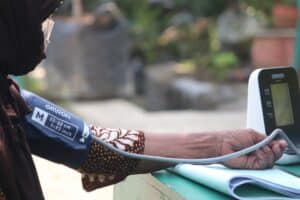
Let’s explore the key points of this important health topic:
1. What is Hypertension?
– Hypertension is a medical condition where the force of blood against the artery walls is consistently elevated.
2. Prevalence:
– Hypertension affects a significant number of adults, and its prevalence tends to increase with age.
3. Types of Hypertension:
– Primary Hypertension: The most common form with no identifiable cause, often linked to lifestyle factors and genetic predisposition.
– Secondary Hypertension: Caused by an underlying medical condition like kidney disease or hormonal disorders.
4. Blood Pressure Measurements:
– Normal: Blood pressure below 120/80 mmHg.
– Elevated: Systolic pressure between 120-129 mmHg and diastolic pressure below 80 mmHg.
– Hypertension Stage 1: Systolic pressure between 130-139 mmHg or diastolic pressure between 80-89 mmHg.
– Hypertension Stage 2: Systolic pressure at least 140 mmHg or diastolic pressure at least 90 mmHg.
5. Risk Factors:
– Unhealthy Diet: High sodium, low potassium, and excessive alcohol intake can contribute to hypertension.
– Sedentary Lifestyle: Lack of physical activity and prolonged sitting increases the risk.
– Obesity: Being overweight or obese strains the cardiovascular system.
– Smoking: Tobacco use can elevate blood pressure and damage blood vessels.
– Stress: Chronic stress may contribute to hypertension.
6. Symptoms:
– Hypertension is often asymptomatic, making regular blood pressure checks crucial for early detection.
7. Health Implications:
– Hypertension can lead to serious health conditions, including heart disease, stroke, kidney damage, and vision problems.
8. Prevention and Management:
– Lifestyle Changes: Adopt a balanced diet, low in sodium, and rich in fruits, vegetables, and whole grains.
– Physical Activity: Engage in regular exercise to improve cardiovascular health and manage weight.
– Limit Alcohol and Quit Smoking: Reduce alcohol consumption and seek support to quit smoking.
– Stress Management: Practice relaxation techniques like meditation and yoga.
9. Regular Check-ups:
– Periodically monitor blood pressure to detect any changes or fluctuations.
10. Medication:
– If lifestyle changes alone are insufficient, healthcare professionals may prescribe antihypertensive medications.
11. Empowering Individuals:
– Understanding hypertension empowers individuals to take control of their health and make positive changes.