

What Burns Faster: Fat or Muscle
Over the years, there has been much debate about what burns faster: fat or muscle. This article will delve into the science behind how our bodies burn fat and muscle, as well as provide tips on how to optimize your workouts to achieve your fitness goals.
Understanding Fat and Muscle
Understanding the basic differences between fat and muscle is crucial in determining which burns faster.
Fat is an energy storage system in our bodies that stores excess calories for when they are needed. On the other hand, muscle is responsible for movement and strength. While fat tends to be less dense than muscle, muscle requires more energy to maintain its mass.
In terms of weight, a pound of muscle weighs more than a pound of fat, since muscle is denser. However, since muscle requires more energy to maintain, it can help burn more calories than fat in the long run.
So, the question remains: does fat or muscle burn faster?
The Truth About Fat Burning
When it comes to burning calories, fat wins the race. Fat contains more energy per gram than muscle, which means that it takes longer to burn through stored fat than muscle.
During low-intensity activities, such as walking or light jogging, our bodies primarily use stored fat as fuel. This is why many people recommend doing steady-state cardio to burn fat effectively.
However, it’s important to note that while fat may burn faster in terms of energy expenditure, it doesn’t contribute to an increase in muscle mass or strength.
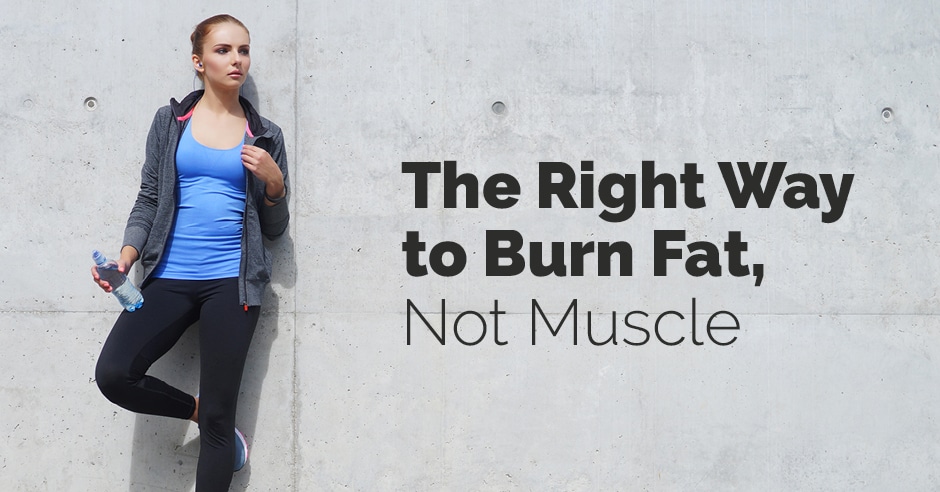
Muscle Metabolism: The Engine of Weight Loss
Muscle metabolism plays a significant role in our bodies’ ability to burn calories efficiently.
Muscle tissue is metabolically active, meaning it requires a significant amount of energy (calories) to maintain its mass. This is why individuals with higher muscle mass tend to have a higher basal metabolic rate (BMR) than those with more fat mass.
While muscle may not burn calories as quickly as fat during low-intensity activities, it plays a crucial role in boosting our metabolism and overall calorie burn throughout the day.
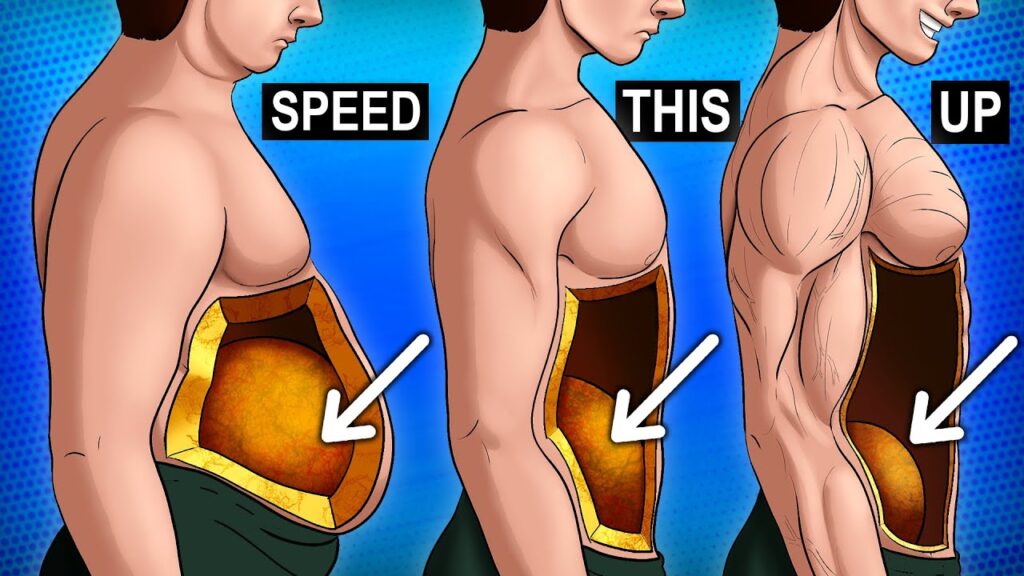
The Myth of “Burning” Muscle
One common fear among individuals trying to lose weight is that they will “burn” muscle instead of fat during their workouts. While it is true that our bodies can break down muscle tissue for energy when in a caloric deficit, it’s essential to understand the difference between losing muscle mass and burning muscle tissue for fuel.
In reality, our bodies prioritize burning stored fat as fuel during low to moderate-intensity activities, reserving muscle breakdown for extreme situations, such as starvation or prolonged fasting.
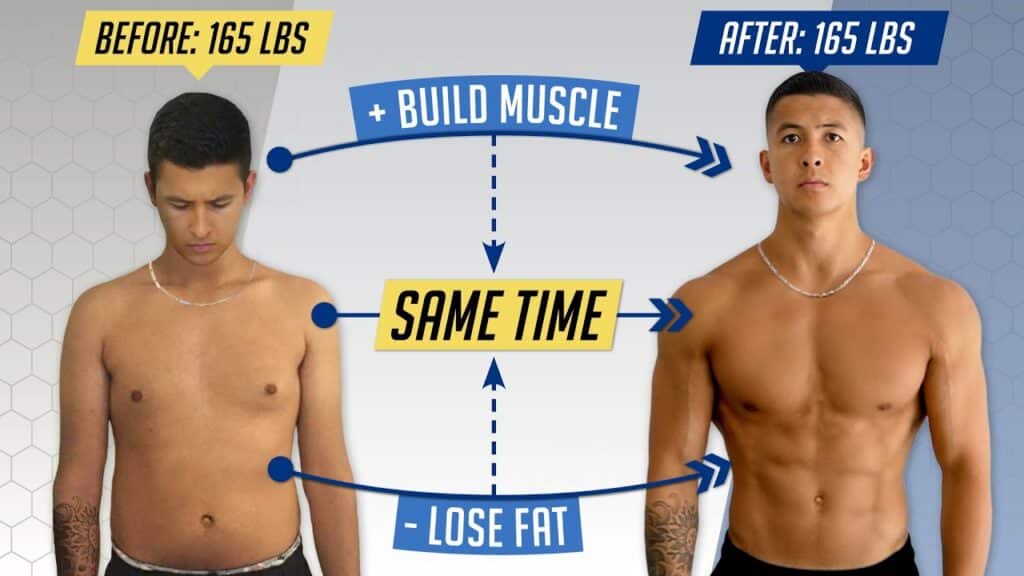
Optimizing Fat Burn and Muscle Retention
To optimize fat burn while preserving muscle mass, it’s crucial to follow a balanced workout regimen and nutrition plan. Here are some tips to help you achieve your fitness goals:
Resistance Training for Muscle Preservation
Incorporating resistance training into your workout routine is crucial for preserving muscle mass while trying to lose weight. Resistance training, such as weightlifting or bodyweight exercises, helps maintain muscle mass by stimulating muscle growth and strength.
Additionally, building muscle through resistance training can help increase your metabolism, making it easier to burn calories and lose fat in the long run.
High-Intensity Interval Training (HIIT) for Fat Burn
High-Intensity Interval Training (HIIT) is a popular workout strategy that involves short bursts of intense exercise followed by brief periods of rest or lower-intensity activity.
HIIT is an effective way to burn calories and fat quickly, as it elevates your heart rate and stimulates the afterburn effect, where your body continues to burn calories even after your workout.
Balanced Nutrition for Energy and Recovery
Nutrition plays a vital role in your body’s ability to burn fat and build muscle. Fueling your body with a balanced diet rich in lean proteins, complex carbohydrates, and healthy fats provides the energy needed to power through workouts and recover effectively.
Additionally, staying hydrated and getting an adequate amount of sleep are essential for optimizing fat burn and muscle retention.
Rest and Recovery for Muscle Repair
Allowing your muscles time to rest and recover is crucial for muscle repair and growth. Overtraining can lead to muscle breakdown and hinder your progress towards your fitness goals.
Incorporating rest days into your workout schedule and practicing active recovery, such as yoga or stretching, can help prevent injury and promote muscle repair.
Conclusion
In conclusion, both fat and muscle play essential roles in our bodies’ ability to burn calories and achieve our fitness goals. While fat may burn faster in terms of energy expenditure, muscle metabolism is crucial for boosting our metabolism and overall calorie burn.
By incorporating a balanced workout regimen, including resistance training and HIIT, along with a nutritious diet and adequate rest, you can optimize fat burn while preserving muscle mass and strength. Remember, your body is unique, so listen to its signals and adjust your workouts and nutrition plan accordingly.


