

Harness Your Body’s Strength: Unleashing the Benefits of Bodyweight Exercises
Bodyweight exercises provide a versatile and effective way to build strength, improve flexibility, and enhance overall fitness without the need for equipment or a gym. By utilizing the weight of your own body as resistance, you can engage multiple muscle groups and achieve impressive results. Let’s explore the world of bodyweight exercises and discover how they can empower you to reach your fitness goals.
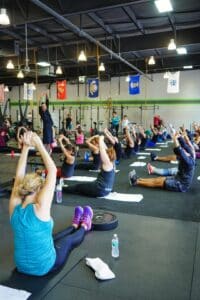
Benefits of Bodyweight Exercises:
1. Convenience and Accessibility:
– Bodyweight exercises can be performed anywhere, anytime, without the need for equipment or a gym.
– Ideal for individuals with busy schedules or limited access to fitness facilities.
2. Increased Strength and Muscle Tone:
– Bodyweight exercises challenge multiple muscle groups simultaneously, promoting overall strength and muscle definition.
– Engaging in regular bodyweight workouts can lead to significant strength gains.
3. Improved Flexibility and Range of Motion:
– Many bodyweight exercises involve dynamic movements that enhance flexibility and joint mobility.
– Incorporating exercises such as lunges, squats, and yoga poses can increase overall flexibility.
4. Enhanced Core Stability and Balance:
– Bodyweight exercises often engage the core muscles, improving stability and balance.
– A strong core contributes to better posture, reduced risk of injuries, and improved athletic performance.
5. Cardiovascular Fitness:
– Bodyweight exercises like burpees, mountain climbers, and jumping jacks can elevate heart rate, improving cardiovascular endurance.
– Incorporating high-intensity bodyweight intervals can deliver effective cardio workouts.
6. Versatility and Progression:
– Bodyweight exercises offer a wide range of movements and variations to target different muscle groups.
– Progression can be achieved by modifying exercises, increasing repetitions, or incorporating advanced variations.
Common Bodyweight Exercises:
1. Push-Ups:
– Targets chest, shoulders, triceps, and core.
– Can be performed in traditional, incline, or decline positions for varying levels of difficulty.
2. Squats:
– Engages lower body muscles, including quadriceps, hamstrings, and glutes.
– Variations include sumo squats, pistol squats, and jump squats.
3. Lunges:
– Targets quadriceps, hamstrings, and glutes.
– Forward lunges, reverse lunges, and walking lunges are effective variations.
4. Plank:
– Engages core muscles, including abs, obliques, and lower back.
– Side planks and plank variations challenge stability and work for additional muscle groups.
5. Burpees:
– Provides a full-body workout, engaging multiple muscle groups simultaneously.
– Incorporates cardio and strength components for an intense exercise.
6. Mountain Climbers:
– Targets core, shoulders, and leg muscles.
– Simulates climbing motion, elevating heart rate, and providing a cardio workout.
Tips for Effective Bodyweight Workouts:
1. Warm-Up:
– Begin with a dynamic warm-up to increase blood flow, warm up muscles, and prepare the body for exercise.
– Include movements like arm circles, leg swings, and light cardio exercises.
2. Proper Form and Technique:
– Maintain proper form throughout each exercise to maximize benefits and prevent injuries.
– Focus on quality movements rather than sacrificing form for quantity.
3. Progression and Variation:
– Gradually increase the difficulty of bodyweight exercises by adding reps, modifying angles, or incorporating advanced variations.
– Experiment with different exercises and variations to challenge different muscle groups.
4. Circuit Training:
– Combine multiple bodyweight exercises into a circuit for an efficient and challenging workout.
– Perform each exercise in succession with minimal rest between exercises.
5. Listen to Your Body:
– Pay attention to your body’s signals and adjust the intensity or take breaks as needed.
– Progress at a pace that suits your fitness level and gradually increases intensity over time.
6. Incorporate Recovery:
– Allow for rest and recovery days between bodyweight workouts to give your muscles time to repair and adapt.
– Prioritize sleep and proper nutrition to support recovery and overall well-being.