To embark on your journey toward effective fat burning, it’s essential to grasp the fundamental principles that govern how your body utilizes energy. Fat burning occurs when your body breaks down stored fat to use as fuel, a process that is influenced by various factors including your metabolism, activity level, and diet. When you engage in physical activity, your body requires energy, which it derives from carbohydrates and fats.
The balance between these two sources can shift depending on the intensity and duration of your exercise. Understanding this balance is crucial for optimizing your fat-burning potential. Your body primarily relies on carbohydrates for quick bursts of energy, especially during high-intensity workouts.
However, as you transition into longer, moderate-intensity activities, fat becomes the predominant fuel source. This shift is vital for anyone looking to lose weight or improve their body composition. By recognizing how your body taps into fat stores during different types of exercise, you can tailor your workouts to maximize fat burning.
Additionally, factors such as hormonal balance and overall fitness level play significant roles in how efficiently your body burns fat.
Key Takeaways
- Understanding the basics of fat burning: Fat burning occurs when the body uses stored fat as a source of energy, typically during exercise or periods of calorie deficit.
- High-intensity interval training (HIIT) for fast fat burning: HIIT involves short bursts of intense exercise followed by brief periods of rest, and has been shown to be effective for burning fat and increasing metabolism.
- The benefits of strength training for fat loss: Strength training helps build lean muscle mass, which can increase the body’s overall calorie-burning potential and improve fat loss.
- Incorporating cardio workouts for effective fat burning: Cardio exercises like running, cycling, and swimming can help burn calories and improve cardiovascular health, making them an important component of a fat-burning exercise routine.
- The role of compound exercises in burning fat: Compound exercises, which engage multiple muscle groups at once, can help maximize calorie burn and fat loss during workouts.
High-intensity interval training (HIIT) for fast fat burning
High-intensity interval training (HIIT) has gained immense popularity in recent years, and for good reason. This training method involves alternating between short bursts of intense activity and periods of rest or lower-intensity exercise. The beauty of HIIT lies in its efficiency; you can achieve significant fat-burning results in a fraction of the time compared to traditional steady-state cardio workouts.
When you push your body to its limits during those high-intensity intervals, you elevate your heart rate and boost your metabolism, leading to increased calorie burn even after your workout has ended. Incorporating HIIT into your routine can be both exhilarating and challenging. You might find that the variety keeps you engaged and motivated, as each session can be tailored to include different exercises or intervals.
Whether you choose to sprint, cycle, or perform bodyweight exercises like burpees and jump squats, the key is to give maximum effort during those high-intensity phases. This not only enhances your cardiovascular fitness but also promotes muscle retention while you’re in a calorie deficit, making it an ideal choice for those focused on fat loss.
The benefits of strength training for fat loss

While cardio often takes center stage in discussions about fat loss, strength training is equally important and should not be overlooked. Engaging in resistance training helps build lean muscle mass, which is crucial for increasing your resting metabolic rate. The more muscle you have, the more calories your body burns at rest, making it easier to create a calorie deficit necessary for fat loss.
Additionally, strength training can help reshape your body by toning muscles and improving overall body composition. You may also find that strength training enhances your performance in other areas of fitness. As you build strength, you’ll likely notice improvements in your endurance and ability to perform high-intensity workouts like HIIT.
Moreover, strength training can boost your confidence and mental resilience, as you set and achieve new personal records. By incorporating a variety of exercises that target different muscle groups, you can create a balanced routine that supports both fat loss and overall health.
Incorporating cardio workouts for effective fat burning
Cardiovascular exercise plays a pivotal role in any fat-burning regimen. It elevates your heart rate and increases calorie expenditure during and after the workout. Whether you prefer running, cycling, swimming, or group fitness classes, finding a form of cardio that you enjoy is essential for long-term adherence.
The key is to strike a balance between different types of cardio workouts—steady-state sessions can help build endurance while interval training can maximize calorie burn. When incorporating cardio into your routine, consider varying the intensity and duration of your sessions. For instance, you might dedicate certain days to longer, moderate-intensity workouts while reserving others for shorter, high-intensity bursts.
This variation not only keeps your workouts fresh but also challenges your body in different ways, preventing plateaus in your fat loss journey. Remember that consistency is crucial; aim to include cardio several times a week to reap the full benefits of this effective fat-burning tool.
The role of compound exercises in burning fat
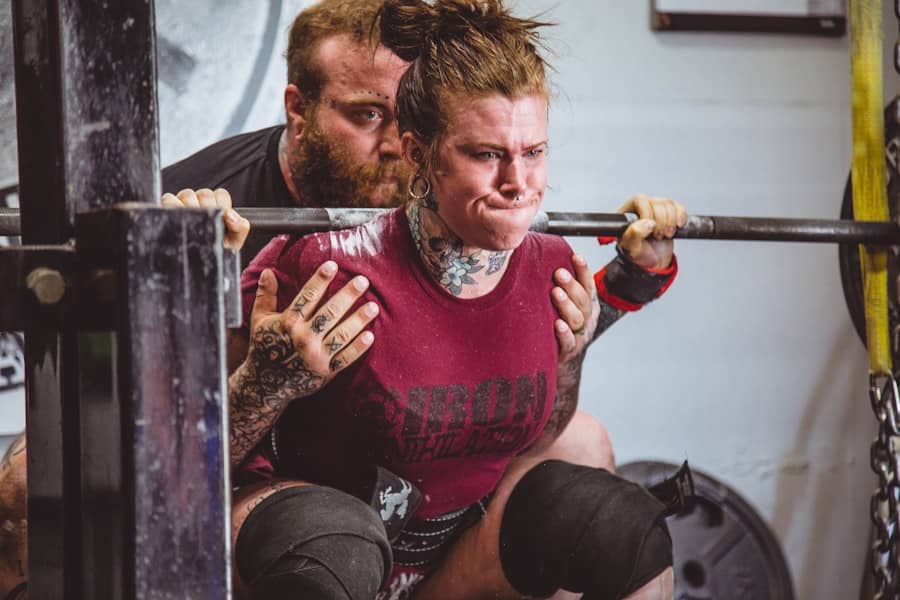
Compound exercises are movements that engage multiple muscle groups simultaneously, making them incredibly effective for burning fat. Exercises like squats, deadlifts, bench presses, and pull-ups not only build strength but also elevate your heart rate due to the sheer effort required to perform them. By incorporating compound movements into your routine, you can maximize calorie burn while also improving functional strength and coordination.
You might find that compound exercises allow you to work more efficiently during your workouts. Instead of spending time isolating individual muscles with single-joint movements, you can achieve a full-body workout in less time. This efficiency is particularly beneficial if you have a busy schedule but still want to prioritize fat loss.
Additionally, because compound exercises often require more energy and effort, they can lead to greater post-exercise oxygen consumption (EPOC), meaning you’ll continue to burn calories even after leaving the gym.
The importance of consistency and duration in fat-burning exercises
Every Bit Counts
Remember that even small amounts of activity can add up; finding ways to incorporate movement into your daily life can significantly contribute to your overall calorie expenditure.
Duration Matters
Duration also plays a critical role in fat-burning exercises. While shorter workouts can be effective—especially with high-intensity training—longer sessions at moderate intensity can also promote fat oxidation.
Vary Your Workouts
Aim for a mix of both short bursts of intense activity and longer sessions that allow you to tap into fat stores more effectively. By varying the duration and intensity of your workouts, you’ll keep your body guessing and prevent adaptation, which can stall progress.
The impact of nutrition on fat-burning exercises
Nutrition is an integral component of any successful fat-burning strategy. What you eat directly influences your energy levels, recovery, and overall performance during workouts. To optimize fat burning, focus on consuming a balanced diet rich in whole foods—lean proteins, healthy fats, whole grains, fruits, and vegetables should form the foundation of your meals.
These nutrient-dense foods provide the necessary fuel for your workouts while supporting recovery and muscle growth. Additionally, timing your meals around your workouts can enhance performance and recovery. Consuming a combination of carbohydrates and protein before exercising can provide the energy needed for high-intensity efforts while promoting muscle repair afterward.
Staying hydrated is equally important; dehydration can impair performance and hinder recovery efforts. By paying attention to both nutrition and hydration, you’ll set yourself up for success in achieving your fat-loss goals.
Creating a well-rounded exercise routine for maximum fat burning
To maximize fat burning effectively, it’s essential to create a well-rounded exercise routine that incorporates various forms of training. A balanced program should include cardiovascular workouts, strength training sessions, flexibility work, and recovery days. This diversity not only keeps things interesting but also ensures that you’re addressing all aspects of fitness—endurance, strength, flexibility, and mobility.
Consider scheduling specific days for different types of workouts; for example, you might dedicate Mondays and Thursdays to strength training while reserving Tuesdays for HIIT sessions and weekends for longer cardio workouts or active recovery activities like yoga or walking. By structuring your routine thoughtfully and allowing adequate rest between intense sessions, you’ll optimize both performance and recovery while maximizing fat-burning potential. In conclusion, understanding the multifaceted approach to fat burning will empower you on your fitness journey.
By combining high-intensity interval training with strength training and cardio workouts while paying attention to nutrition and consistency, you’ll create an effective strategy tailored to your goals. Embrace the process with patience and dedication; over time, you’ll see the results manifest not just in terms of weight loss but also improved overall health and well-being.
If you are looking to burn fat quickly, you may also be interested in learning how to burn fat while you sleep naturally. This article provides tips and strategies for maximizing fat burning even while you are resting. Additionally, incorporating high-intensity workouts like the ones discussed in the article on how to burn belly fat fast can also help you achieve your fat loss goals. Check out the workout suggestions to get started on your fat-burning journey.
FAQs
What type of exercise burns fat the fastest?
High-intensity interval training (HIIT) has been shown to be one of the most effective types of exercise for burning fat quickly. This involves short bursts of intense exercise followed by periods of rest or lower intensity exercise.
How does HIIT help burn fat quickly?
HIIT workouts can increase your metabolism and burn more calories in a shorter amount of time compared to steady-state cardio exercises. This can lead to greater fat loss and improved cardiovascular fitness.
Are there other types of exercise that can burn fat quickly?
In addition to HIIT, strength training can also help burn fat quickly. Building lean muscle mass can increase your resting metabolic rate, leading to more calories burned throughout the day.
What are some examples of HIIT exercises?
Examples of HIIT exercises include sprints, burpees, jump squats, and high knees. These exercises can be performed in a circuit format with short rest periods in between.
How often should I do HIIT workouts to burn fat quickly?
It is recommended to do HIIT workouts 2-3 times per week, allowing for adequate rest and recovery between sessions. It is important to listen to your body and not overdo it, as HIIT can be very intense.