

Cardiovascular exercise, often referred to as cardio, is a fundamental component of any fitness regimen aimed at improving heart health and burning fat. At its core, cardio involves activities that elevate your heart rate and increase blood circulation throughout your body. This can include a variety of exercises such as running, cycling, swimming, or even brisk walking.
The primary goal of cardiovascular exercise is to enhance the efficiency of your cardiovascular system, which includes your heart, lungs, and blood vessels. By engaging in regular cardio workouts, you not only improve your endurance but also promote overall health and well-being. As you delve deeper into the world of cardiovascular exercise, it’s essential to understand the different intensities at which you can perform these workouts.
Low-intensity steady-state (LISS) cardio involves maintaining a consistent pace over an extended period, while high-intensity interval training (HIIT) alternates between short bursts of intense activity and periods of rest or lower intensity. Each method has its unique benefits and can be tailored to fit your personal fitness goals. By grasping these basics, you can make informed decisions about how to incorporate cardio into your routine effectively.
Key Takeaways
- Cardiovascular exercise refers to any activity that raises your heart rate and improves the function of your heart and lungs.
- High-Intensity Interval Training (HIIT) involves short bursts of intense exercise followed by periods of rest or lower-intensity exercise, and it is effective for maximizing fat burn.
- Steady-state cardio, such as jogging or cycling at a consistent pace, can also be beneficial for fat loss and improving cardiovascular health.
- Incorporating resistance training, such as weightlifting or bodyweight exercises, into your cardio routine can help build muscle and boost your metabolism for increased fat burning.
- Different types of cardio equipment, such as treadmills, ellipticals, and rowing machines, offer varied ways to burn fat and improve cardiovascular fitness.
High-Intensity Interval Training (HIIT) for Maximum Fat Burn
High-Intensity Interval Training (HIIT) has gained immense popularity in recent years due to its efficiency and effectiveness in burning fat. This training method involves short bursts of intense exercise followed by brief recovery periods. For instance, you might sprint for 30 seconds, followed by a minute of walking or light jogging.
This cycle can be repeated several times within a single workout session. The beauty of HIIT lies in its ability to elevate your heart rate quickly, leading to increased calorie burn both during and after your workout—a phenomenon known as excess post-exercise oxygen consumption (EPOC). Incorporating HIIT into your routine can be a game-changer for fat loss.
Not only does it save time—allowing you to achieve significant results in a shorter duration—but it also keeps your workouts engaging and varied. You can mix different exercises such as burpees, jump squats, or kettlebell swings to keep things fresh and exciting. As you push your limits during these high-intensity intervals, you’ll find that your body adapts over time, leading to improved performance and greater fat loss results.
The Benefits of Steady-State Cardio for Fat Loss

While HIIT is an excellent option for those looking to maximize fat burn in a short amount of time, steady-state cardio also holds its own unique advantages. Steady-state cardio involves maintaining a consistent pace for an extended period, typically ranging from 30 minutes to an hour or more. Activities like jogging, cycling at a moderate pace, or swimming can fall under this category.
One of the primary benefits of steady-state cardio is its accessibility; it’s often easier for beginners to maintain a steady pace than to push through the intensity of HIIT. Moreover, steady-state cardio can be particularly beneficial for building endurance and stamina. As you engage in longer sessions of moderate-intensity exercise, your body becomes more efficient at utilizing fat as a fuel source.
This means that over time, you may find yourself burning more fat during your workouts and even at rest. Additionally, steady-state cardio can serve as a great recovery tool after intense training sessions, allowing your body to recover while still promoting fat loss.
Incorporating Resistance Training into Your Cardio Routine
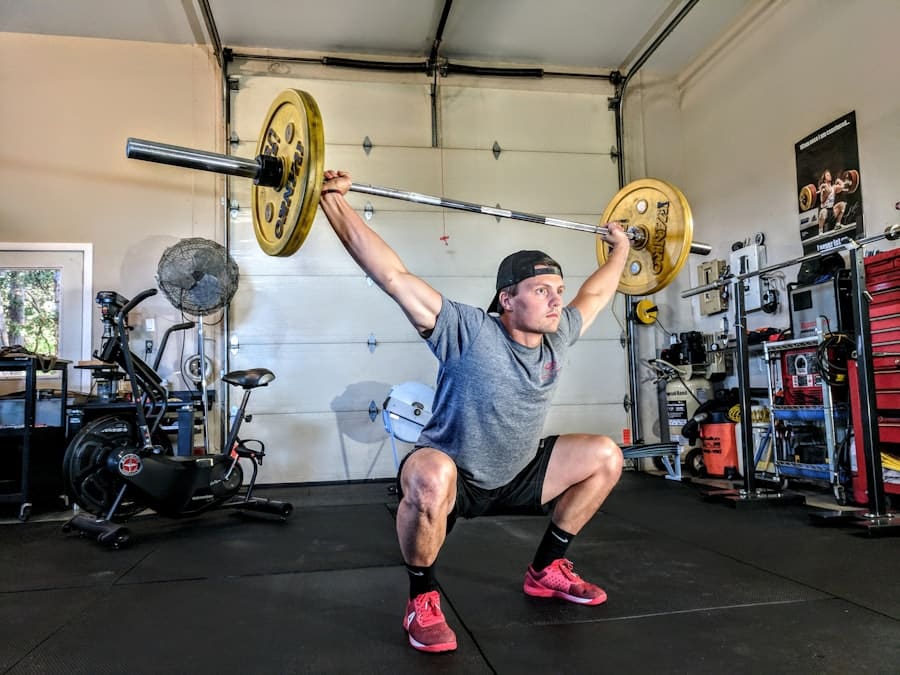
To achieve optimal fat loss results, it’s crucial to consider incorporating resistance training into your cardio routine. While cardio is excellent for burning calories and improving cardiovascular health, resistance training helps build lean muscle mass, which in turn boosts your metabolism. When you have more muscle, your body burns more calories at rest, making it easier to maintain a caloric deficit necessary for fat loss.
Combining resistance training with cardio can take many forms. You might choose to perform circuit training that alternates between strength exercises and cardio bursts or incorporate weightlifting into your routine on separate days. This hybrid approach not only enhances fat loss but also improves overall body composition and strength.
As you build muscle through resistance training, you’ll likely notice that your performance in cardio workouts improves as well, creating a positive feedback loop that supports your fitness goals.
Exploring Different Types of Cardio Equipment for Fat Burning
When it comes to cardiovascular exercise, the variety of equipment available can be overwhelming yet exciting. From treadmills and stationary bikes to rowing machines and ellipticals, each piece of equipment offers unique benefits that can enhance your fat-burning efforts. For instance, treadmills allow for both running and walking options, making them versatile for all fitness levels.
You can easily adjust the incline or speed to increase the intensity of your workout. Rowing machines are another fantastic option for those looking to engage multiple muscle groups while getting their heart rate up. Rowing provides a full-body workout that not only burns calories but also strengthens your arms, legs, and core simultaneously.
On the other hand, ellipticals offer a low-impact alternative that is easier on the joints while still providing an effective cardiovascular workout. By experimenting with different types of equipment, you can keep your workouts interesting and find what works best for you.
The Role of Nutrition in Maximizing Fat Burn during Cardio
While exercise plays a significant role in fat loss, nutrition is equally important in maximizing the results of your cardiovascular workouts. To effectively burn fat during cardio sessions, you need to fuel your body with the right nutrients. Consuming a balanced diet rich in whole foods—such as lean proteins, healthy fats, and complex carbohydrates—will provide the energy needed for optimal performance during workouts.
Timing your meals around your workouts can also enhance fat burning. Eating a small snack containing carbohydrates and protein before exercising can help boost your energy levels and improve performance. Post-workout nutrition is equally crucial; consuming protein after cardio helps repair muscles and supports recovery.
Additionally, staying hydrated is vital for overall performance and recovery during cardio sessions. By prioritizing nutrition alongside your exercise routine, you’ll create an environment conducive to effective fat loss.
Overcoming Plateaus and Avoiding Burnout with Cardio Workouts
As you progress on your fitness journey, you may encounter plateaus where weight loss stalls despite consistent effort. This can be frustrating but is a common experience in any fitness regimen. To overcome these plateaus, consider varying your cardio routine by changing the intensity, duration, or type of exercise you perform.
For instance, if you’ve been doing steady-state cardio exclusively, try incorporating HIIT sessions or switching up the equipment you use. Burnout is another challenge many face when engaging in regular cardio workouts. To avoid this feeling of exhaustion or disinterest in exercise, it’s essential to listen to your body and allow for adequate rest and recovery days.
Mixing up your routine with different activities—such as dance classes or outdoor sports—can also keep things fresh and enjoyable. Remember that fitness should be a sustainable journey; finding joy in your workouts will help you stay committed long-term.
Creating a Well-Rounded Cardio Routine for Sustainable Fat Loss
To achieve sustainable fat loss through cardiovascular exercise, it’s essential to create a well-rounded routine that incorporates various elements discussed throughout this article. Start by determining how many days per week you can realistically commit to cardio workouts while balancing other aspects of your life. Aim for at least three to five sessions per week that include a mix of HIIT and steady-state cardio.
In addition to traditional cardio exercises, don’t forget to include resistance training sessions at least two to three times per week. This combination will not only enhance fat loss but also improve overall fitness levels and body composition. Finally, prioritize nutrition by planning balanced meals around your workouts and staying mindful of hydration.
By taking a holistic approach that encompasses diverse workout styles and proper nutrition, you’ll set yourself up for long-term success in achieving and maintaining fat loss goals.
If you are looking to incorporate fat-burning powder into your routine, you may want to check out this article on fat burner powder. This article provides information on how fat burner powder works and how it can help you achieve your weight loss goals. Additionally, if you are interested in learning about specific foods that can help you burn fat quickly, you may want to read this article on foods that burn fat quickly. And if you are looking for exercises specifically targeted at reducing belly fat, this article on { lazyloadBackgroundObserver.observe( lazyloadBackground ); } ); }; const events = [ 'DOMContentLoaded', 'elementor/lazyload/observe', ]; events.forEach( ( event ) => { document.addEventListener( event, lazyloadRunObserver ); } );