When embarking on a journey toward fat loss and muscle gain, it’s essential to grasp the fundamental principles that govern these processes. At its core, fat loss occurs when you create a caloric deficit, meaning you consume fewer calories than your body expends. This deficit forces your body to tap into its fat reserves for energy, leading to a reduction in body fat.
On the other hand, muscle gain, or hypertrophy, requires a caloric surplus combined with resistance training. This means you need to consume more calories than you burn, providing your body with the necessary nutrients to repair and build muscle tissue after workouts. Understanding these two processes is crucial because they often seem at odds with one another.
You might find yourself wondering how you can lose fat while simultaneously gaining muscle. The key lies in striking a balance between the two goals. For many, especially those new to fitness, it’s possible to achieve both through a well-structured approach that includes proper nutrition, exercise, and recovery.
By focusing on your overall body composition rather than just weight on the scale, you can work towards a healthier and more toned physique.
Key Takeaways
- Understanding the Basics of Fat Loss and Muscle Gain:
- Fat loss and muscle gain require a combination of proper nutrition and exercise.
- Building muscle and losing fat are two separate processes that require different approaches.
- Designing a Balanced Diet Plan for Fat Loss and Muscle Gain:
- A balanced diet plan should include a mix of protein, carbohydrates, and healthy fats.
- Caloric intake should be adjusted based on individual goals and activity levels.
- Incorporating Protein-Rich Foods into Your Diet for Muscle Building:
- Protein is essential for muscle building and repair.
- Include sources of lean protein such as chicken, fish, tofu, and legumes in your diet.
- The Importance of Carbohydrates and Fats in a Fat Losing and Muscle Gaining Diet:
- Carbohydrates provide energy for workouts and should be included in moderation.
- Healthy fats are important for hormone production and overall health.
- Meal Timing and Frequency for Optimal Fat Loss and Muscle Gain:
- Eating smaller, balanced meals throughout the day can help maintain energy levels and support muscle growth.
- Timing meals around workouts can optimize nutrient absorption and recovery.
- Hydration and its Role in Fat Loss and Muscle Gain:
- Proper hydration is essential for overall health and performance during workouts.
- Aim to drink plenty of water throughout the day, especially before, during, and after exercise.
- Supplements to Consider for Supporting Fat Loss and Muscle Gain:
- Supplements such as protein powder, creatine, and BCAAs can support muscle building and recovery.
- Consult with a healthcare professional before adding supplements to your diet.
- Monitoring Progress and Making Adjustments to Your Fat Losing and Muscle Gaining Diet:
- Regularly track your progress through measurements, photos, and performance in the gym.
- Adjust your diet and exercise routine based on your progress and goals.
Designing a Balanced Diet Plan for Fat Loss and Muscle Gain
Creating a balanced diet plan tailored to your goals is vital for achieving fat loss and muscle gain. Start by calculating your daily caloric needs based on your age, weight, height, and activity level. Once you have this number, you can adjust your caloric intake depending on whether you want to lose fat or gain muscle.
For fat loss, aim for a moderate caloric deficit of about 500 calories per day, while for muscle gain, consider a surplus of around 250-500 calories. This approach allows you to make gradual changes without overwhelming your body. In addition to managing caloric intake, focus on the quality of the foods you consume.
A balanced diet should include a variety of whole foods such as lean proteins, whole grains, fruits, vegetables, and healthy fats. These foods not only provide essential nutrients but also help keep you satiated, making it easier to stick to your dietary plan. Incorporating a colorful array of fruits and vegetables ensures that you receive a wide range of vitamins and minerals that support overall health and recovery.
Incorporating Protein-Rich Foods into Your Diet for Muscle Building
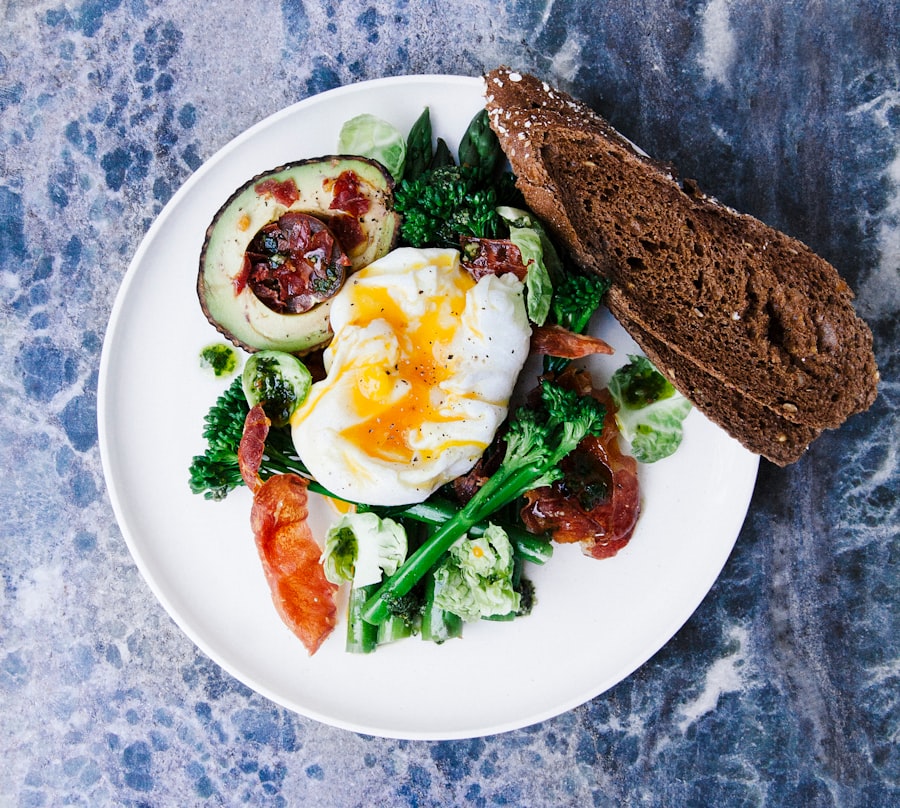
Protein plays a pivotal role in muscle building and recovery, making it an essential component of your diet if you’re aiming for muscle gain. As you engage in resistance training, your muscles undergo stress and tiny tears that need to be repaired. Protein provides the amino acids necessary for this repair process, ultimately leading to muscle growth.
Aim to include protein-rich foods in every meal and snack throughout the day to maximize muscle protein synthesis. Some excellent sources of protein include lean meats like chicken and turkey, fish, eggs, dairy products like Greek yogurt and cottage cheese, as well as plant-based options such as lentils, chickpeas, quinoa, and tofu. You might also consider incorporating protein shakes or bars as convenient options post-workout or during busy days when preparing a full meal isn’t feasible.
By ensuring that you meet your protein needs consistently, you’ll create an optimal environment for muscle growth while also aiding in recovery after intense workouts.
The Importance of Carbohydrates and Fats in a Fat Losing and Muscle Gaining Diet
While protein often takes center stage in discussions about muscle gain, carbohydrates and fats are equally important in your diet for both fat loss and muscle gain. Carbohydrates serve as the primary source of energy for your workouts. When you engage in high-intensity training or resistance exercises, your body relies on glycogen stores derived from carbohydrates to fuel performance.
Therefore, including complex carbohydrates such as whole grains, fruits, and vegetables is crucial for maintaining energy levels and supporting workout intensity. Fats also play a significant role in hormone production and overall health. Healthy fats found in avocados, nuts, seeds, and olive oil are essential for absorbing fat-soluble vitamins and supporting cellular function.
While it’s important to monitor your fat intake to maintain a caloric balance conducive to fat loss or muscle gain, don’t shy away from including healthy fats in your diet. They can help keep you satiated and provide long-lasting energy throughout the day.
Meal Timing and Frequency for Optimal Fat Loss and Muscle Gain
Meal timing and frequency can significantly impact your results when it comes to fat loss and muscle gain. While there’s no one-size-fits-all approach, many find success with eating smaller meals more frequently throughout the day. This strategy can help regulate hunger levels and prevent overeating during larger meals.
Aim for three main meals complemented by healthy snacks in between to keep your metabolism active and energy levels stable. Additionally, consider the timing of your meals around your workouts. Consuming a balanced meal or snack containing both protein and carbohydrates before exercising can provide the necessary fuel for optimal performance.
Post-workout nutrition is equally important; consuming protein within 30 minutes to two hours after exercising can enhance recovery and promote muscle growth. By strategically planning your meals around your training sessions, you can maximize the benefits of your workouts while supporting your overall dietary goals.
Hydration and its Role in Fat Loss and Muscle Gain

The Consequences of Dehydration
When you’re dehydrated, your performance can suffer significantly. You may experience fatigue, decreased strength, and impaired recovery. It’s essential to prioritize hydration to avoid these negative effects.
Prioritizing Hydration
To maintain optimal hydration, it’s vital to drink water consistently throughout the day. In addition to plain water, consider incorporating hydrating foods into your diet, such as fruits and vegetables with high water content like cucumbers, watermelon, oranges, and strawberries. These foods not only contribute to your hydration levels but also provide essential vitamins and minerals that support overall health.
Monitoring Hydration Status
Monitoring your hydration status can be as simple as paying attention to the color of your urine. Pale yellow typically indicates adequate hydration, while darker shades may suggest a need for more fluids.
Supplements to Consider for Supporting Fat Loss and Muscle Gain
While whole foods should always be the foundation of your diet, certain supplements can complement your efforts in achieving fat loss and muscle gain. Protein powders are among the most popular supplements; they offer a convenient way to increase your protein intake without excessive calories or preparation time. Whey protein is particularly effective due to its rapid absorption rate post-workout.
Other supplements worth considering include creatine monohydrate, which has been shown to enhance strength and muscle mass when combined with resistance training. Branched-chain amino acids (BCAAs) may also aid in reducing muscle soreness and promoting recovery after intense workouts. However, it’s essential to approach supplementation with caution; always consult with a healthcare professional or registered dietitian before adding new products to your regimen to ensure they align with your individual needs.
Monitoring Progress and Making Adjustments to Your Fat Losing and Muscle Gaining Diet
Monitoring your progress is crucial for staying on track with your fat loss and muscle gain goals. Regularly assessing changes in body composition rather than just focusing on weight can provide a clearer picture of how well your diet and exercise regimen are working together. Consider taking measurements such as body circumference or using body composition scales that estimate fat versus lean mass.
As you track your progress over time, be prepared to make adjustments as needed. If you find that you’re not losing fat or gaining muscle at the desired rate, it may be time to reassess your caloric intake or macronutrient distribution. Remember that individual responses can vary widely; what works for one person may not work for another.
Stay flexible in your approach and be willing to experiment until you find the right balance that supports both fat loss and muscle gain effectively. In conclusion, achieving fat loss while gaining muscle is a multifaceted process that requires understanding the basics of nutrition and exercise. By designing a balanced diet plan that incorporates adequate protein, carbohydrates, fats, hydration strategies, meal timing considerations, potential supplements, and regular progress monitoring, you can create an effective roadmap toward reaching your fitness goals.
Stay committed to the journey; with patience and persistence, you’ll see the results of your hard work unfold over time.
If you are looking to optimize your fat losing and muscle gaining diet, it is important to consider how hormonal imbalances can impact your progress. According to a recent article on superfatburner.net, hormonal imbalances can make it difficult to lose fat and build muscle effectively. By addressing these imbalances through proper nutrition and lifestyle changes, you can improve your results and reach your fitness goals more efficiently. Additionally, incorporating high-intensity workouts like the ones discussed in this article can help you burn belly fat quickly and efficiently. Pairing these workouts with a diet rich in foods that promote fat burning, as outlined in this article, can help you achieve the body composition you desire.
FAQs
What is a fat losing and muscle gaining diet?
A fat losing and muscle gaining diet is a nutrition plan designed to help individuals lose body fat while simultaneously building and maintaining muscle mass.
What are the key components of a fat losing and muscle gaining diet?
The key components of a fat losing and muscle gaining diet include a balance of macronutrients (protein, carbohydrates, and fats), adequate calorie intake, and regular exercise, particularly strength training.
How does a fat losing and muscle gaining diet work?
A fat losing and muscle gaining diet works by creating a calorie deficit to promote fat loss, while providing sufficient protein and nutrients to support muscle growth and maintenance.
What are some examples of foods that are typically included in a fat losing and muscle gaining diet?
Foods commonly included in a fat losing and muscle gaining diet include lean proteins (chicken, turkey, fish), complex carbohydrates (quinoa, sweet potatoes, brown rice), healthy fats (avocado, nuts, olive oil), and plenty of fruits and vegetables.
What are some common mistakes to avoid when following a fat losing and muscle gaining diet?
Common mistakes to avoid when following a fat losing and muscle gaining diet include not consuming enough protein, neglecting strength training, and excessively restricting calories, which can lead to muscle loss.
Is it possible to lose fat and gain muscle at the same time?
Yes, it is possible to lose fat and gain muscle at the same time, particularly for individuals who are new to strength training or returning to exercise after a period of inactivity. However, the rate of progress may vary for each individual.