
When you embark on a weightlifting journey, understanding the relationship between weightlifting and calories is crucial. At its core, weightlifting involves using resistance to build muscle strength and endurance. As you lift weights, your body requires energy, which it derives from calories.
These calories can come from the food you consume, and they play a vital role in fueling your workouts and recovery. The more intense your weightlifting session, the more calories you will burn, not just during the workout but also afterward as your body recovers. Calories are essentially units of energy that your body uses to perform various functions, including exercise.
When you lift weights, you create micro-tears in your muscle fibers, which your body then repairs, leading to muscle growth. This process requires energy, and thus, a higher caloric intake may be necessary to support your weightlifting routine. Understanding this fundamental relationship between weightlifting and calories can help you tailor your diet and exercise regimen to achieve your fitness goals effectively.
Key Takeaways
- Weightlifting can help increase muscle mass and boost metabolism, leading to more calories burned at rest.
- The intensity and duration of weightlifting sessions can impact the amount of calories burned during and after the workout.
- Factors such as age, gender, body composition, and workout intensity can affect the calorie burn during weightlifting.
- The calories burned during weightlifting can be calculated using formulas that take into account weight, duration, and intensity of the workout.
- Weightlifting can aid in weight loss by increasing muscle mass, improving metabolism, and promoting fat loss.
The Science Behind Weightlifting and Calorie Burn
The science of weightlifting and calorie burn is rooted in the principles of energy expenditure. When you engage in resistance training, your body undergoes a series of metabolic processes that require energy. This energy expenditure is not limited to the duration of your workout; it continues even after you have finished lifting weights.
This phenomenon is known as excess post-exercise oxygen consumption (EPOC), which refers to the increased rate of oxygen intake following strenuous activity. EPOC contributes to additional calorie burn as your body works to restore itself to its pre-exercise state. Moreover, the type of weightlifting you engage in can significantly influence how many calories you burn.
Compound movements, such as squats and deadlifts, engage multiple muscle groups simultaneously, leading to a higher caloric expenditure compared to isolation exercises like bicep curls. The intensity of your workout also plays a critical role; lifting heavier weights for fewer repetitions can lead to greater muscle fatigue and, consequently, a higher calorie burn during and after your session. By understanding these scientific principles, you can optimize your weightlifting routine for maximum calorie expenditure.
Factors That Affect Calorie Burn During Weightlifting
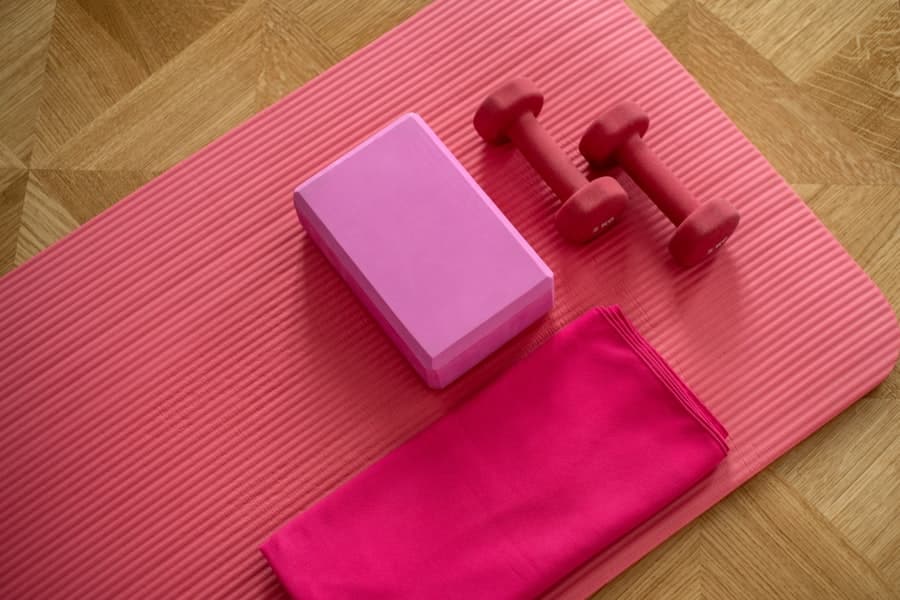
Several factors influence how many calories you burn during weightlifting sessions. One of the most significant factors is your body composition. Generally, individuals with more muscle mass will burn more calories at rest and during exercise compared to those with a higher percentage of body fat.
Muscle tissue is metabolically active, meaning it requires more energy to maintain than fat tissue. Therefore, as you build muscle through weightlifting, you increase your resting metabolic rate, which can lead to greater overall calorie burn. Another important factor is the duration and intensity of your workouts.
Longer sessions or those that incorporate high-intensity interval training (HIIT) can elevate your heart rate and increase calorie expenditure. Additionally, the rest periods between sets can also impact calorie burn; shorter rest intervals can keep your heart rate elevated, leading to a higher overall calorie burn during the workout. By considering these factors, you can tailor your weightlifting routine to maximize calorie expenditure effectively.
How to Calculate Calories Burned During Weightlifting
Calculating the calories burned during weightlifting can be a bit complex due to the various factors involved. However, there are several methods you can use to estimate your caloric expenditure. One common approach is to use metabolic equivalents (METs), which provide a standardized way to measure energy expenditure for different activities.
For weightlifting, MET values typically range from 3 to 6, depending on the intensity of the workout. To calculate calories burned using METs, you can use the following formula: Calories burned = MET value × weight in kg × duration in hours. For example, if you weigh 70 kg and perform moderate-intensity weightlifting (with a MET value of 5) for one hour, you would burn approximately 350 calories (5 × 70 × 1).
While this method provides a rough estimate, using fitness trackers or heart rate monitors can offer more personalized data based on your unique physiology and workout intensity.
The Benefits of Weightlifting for Weight Loss
Weightlifting offers numerous benefits for those looking to lose weight. One of the most significant advantages is its ability to build lean muscle mass. As mentioned earlier, muscle tissue burns more calories at rest than fat tissue does.
Therefore, by incorporating weightlifting into your fitness routine, you can increase your resting metabolic rate, making it easier to maintain a caloric deficit necessary for weight loss. Additionally, weightlifting can help improve body composition by reducing body fat while preserving or even increasing muscle mass. This is particularly important for individuals who want to achieve a toned appearance rather than simply losing weight on the scale.
Furthermore, strength training has been shown to enhance insulin sensitivity and improve overall metabolic health, which can further support weight loss efforts. By embracing weightlifting as part of your fitness journey, you can reap these benefits while working towards your weight loss goals.
Combining Weightlifting with Cardio for Maximum Calorie Burn
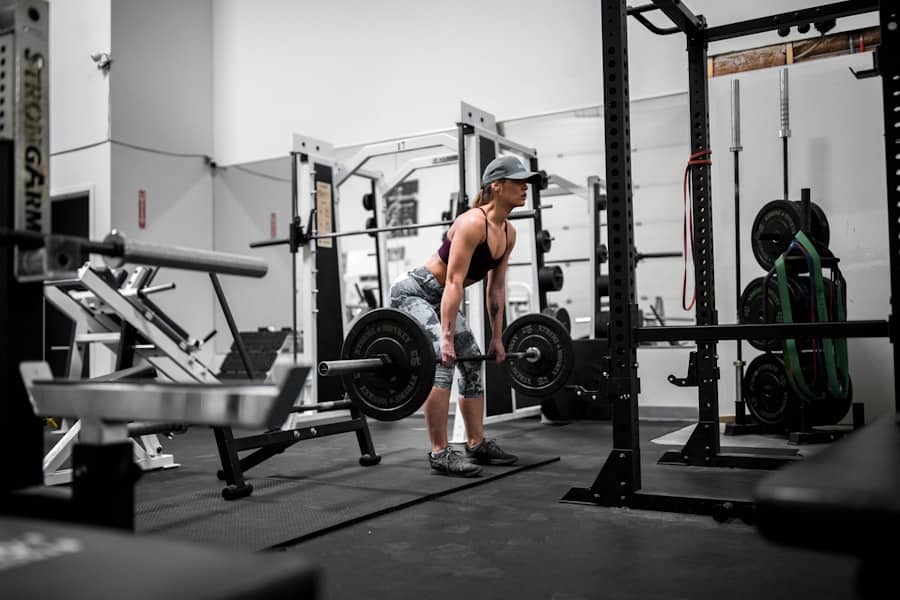
To maximize calorie burn and enhance overall fitness, combining weightlifting with cardiovascular exercise is an effective strategy. While weightlifting primarily focuses on building strength and muscle mass, cardio exercises such as running, cycling, or swimming are excellent for improving cardiovascular health and burning calories during the workout itself. By integrating both forms of exercise into your routine, you can create a balanced approach that promotes fat loss while preserving lean muscle.
One effective method is to alternate between weightlifting and cardio sessions throughout the week. For instance, you might dedicate certain days to strength training while reserving others for cardio workouts. Alternatively, you could incorporate cardio intervals into your weightlifting sessions by performing short bursts of high-intensity cardio between sets.
This approach not only keeps your heart rate elevated but also enhances calorie burn during and after your workouts due to EPOC.
Tips for Maximizing Calorie Burn During Weightlifting
To get the most out of your weightlifting sessions in terms of calorie burn, consider implementing several strategies. First and foremost, focus on compound exercises that engage multiple muscle groups simultaneously. Movements like squats, deadlifts, bench presses, and rows require more energy than isolation exercises and can lead to greater calorie expenditure.
Additionally, consider varying your workout intensity by incorporating techniques such as supersets or circuit training. These methods involve performing exercises back-to-back with minimal rest in between, which keeps your heart rate elevated and increases overall calorie burn. Furthermore, don’t underestimate the power of progressive overload; gradually increasing the weights you lift over time will challenge your muscles and promote growth while enhancing calorie expenditure.
Lastly, ensure that you maintain proper form throughout your workouts to prevent injury and maximize efficiency. Engaging in regular assessments of your progress can also help keep you motivated and focused on achieving your goals.
Incorporating Weightlifting into Your Weight Loss Journey
Incorporating weightlifting into your weight loss journey can be a game-changer for achieving sustainable results. By understanding the relationship between weightlifting and calories burned, as well as the science behind energy expenditure during resistance training, you can create an effective workout plan tailored to your goals. Remember that factors such as body composition, workout intensity, and duration all play significant roles in determining how many calories you burn during each session.
As you embark on this journey, consider combining weightlifting with cardiovascular exercise for maximum calorie burn while also reaping the benefits of improved strength and muscle tone. By implementing strategies such as compound movements and circuit training into your routine, you’ll not only enhance calorie expenditure but also keep your workouts engaging and effective. Ultimately, embracing weightlifting as part of your fitness regimen will not only support your weight loss goals but also contribute to long-term health benefits that extend beyond aesthetics.
So grab those weights and start lifting; you’ll be well on your way to achieving a healthier and fitter version of yourself!
If you’re looking to maximize your weight loss efforts, you may want to consider incorporating green tea into your routine. According to a recent article on superfatburner.net, green tea has been shown to have fat-burning properties that can help you shed those extra pounds. By adding green tea to your diet, along with a regular weightlifting routine, you may be able to see even better results in your weight loss journey.
FAQs
What is weight lifting?
Weight lifting, also known as resistance training, is a form of exercise that uses weights or resistance to build and strengthen muscles.
How many calories can you burn by lifting weights?
The number of calories burned during weight lifting varies depending on factors such as the intensity of the workout, the individual’s weight, and the duration of the session. On average, a person can burn around 100-200 calories per 30 minutes of weight lifting.
How does weight lifting help with weight loss?
Weight lifting helps with weight loss by increasing muscle mass, which in turn boosts the body’s metabolism. This means that the body continues to burn calories even after the workout is over, aiding in weight loss.
Is weight lifting an effective way to lose weight?
Yes, weight lifting can be an effective way to lose weight. In addition to burning calories during the workout, weight lifting helps to build lean muscle mass, which can lead to a higher metabolism and increased calorie burn throughout the day.
Should weight lifting be combined with other forms of exercise for weight loss?
While weight lifting can be an effective way to lose weight, it is often recommended to combine it with cardiovascular exercise and a healthy diet for optimal weight loss results. This combination can help to improve overall fitness and promote a healthy weight.