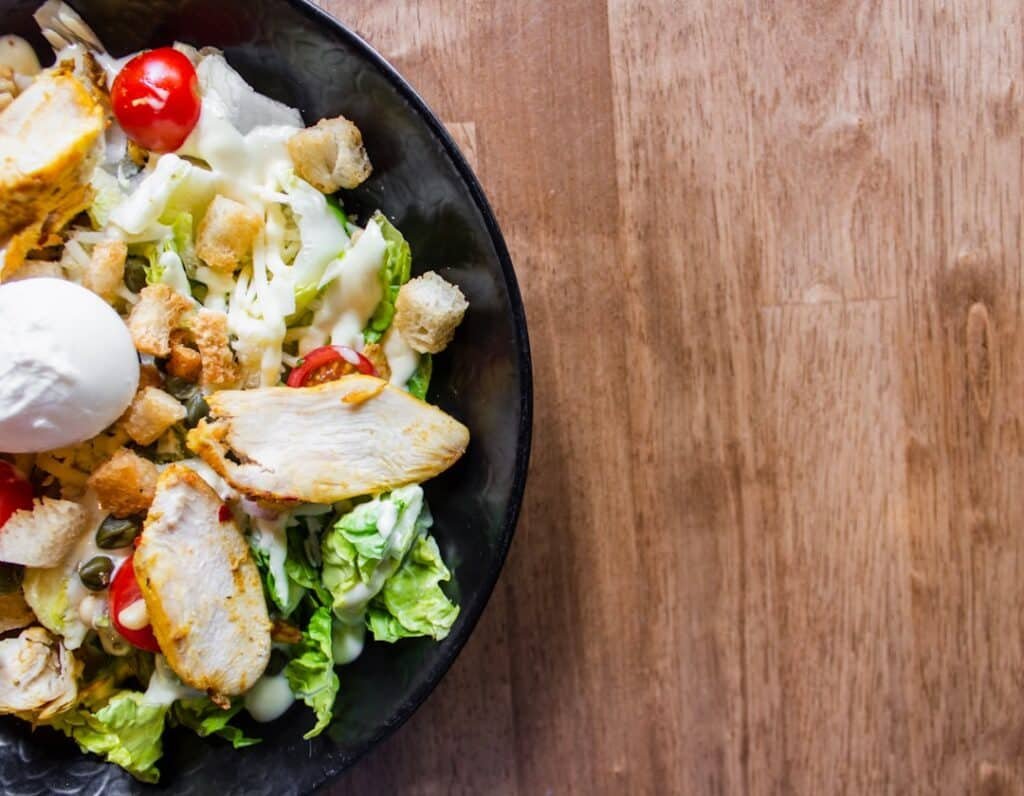
When embarking on a journey toward fat loss and muscle gain, it’s essential to grasp the fundamental principles that govern these processes. At its core, fat loss occurs when you create a caloric deficit, meaning you consume fewer calories than your body expends. This deficit forces your body to tap into its fat reserves for energy, leading to a reduction in body fat over time.
On the other hand, muscle gain, or hypertrophy, requires a caloric surplus combined with resistance training. By lifting weights and consuming more calories than you burn, you provide your body with the necessary resources to build new muscle tissue. Understanding these basic concepts is crucial for setting realistic goals.
You might find that focusing solely on one aspect—either fat loss or muscle gain—can lead to frustration if not approached correctly. For instance, if you aim to lose fat while simultaneously trying to gain muscle, you may need to strike a delicate balance between caloric intake and expenditure. This balance is often referred to as body recomposition, where you can lose fat and gain muscle simultaneously, albeit at a slower rate than if you focused on one goal at a time.
Key Takeaways
- Understanding the basics of fat loss and muscle gain is essential for achieving fitness goals.
- A balanced diet is crucial for both fat loss and muscle gain, emphasizing the importance of nutrient-dense foods.
- Nutrient timing and meal frequency play a significant role in optimizing results for fat loss and muscle gain.
- Incorporating the right balance of protein, carbohydrates, and fats into your diet is key for achieving desired body composition changes.
- Supplements can support fat loss and muscle gain, but should be used in conjunction with a balanced diet and exercise routine.
The Importance of a Balanced Diet for Fat Loss and Muscle Gain
A balanced diet plays a pivotal role in achieving your fat loss and muscle gain goals. It’s not just about counting calories; the quality of the food you consume significantly impacts your results. A well-rounded diet should include a variety of nutrients that support your body’s functions and recovery processes.
This means incorporating lean proteins, healthy fats, and complex carbohydrates into your meals. Each macronutrient serves a unique purpose: proteins help repair and build muscle tissue, fats provide essential fatty acids and support hormone production, while carbohydrates serve as the primary energy source for your workouts. Moreover, a balanced diet can help regulate your appetite and energy levels.
When you consume nutrient-dense foods, you’re more likely to feel satisfied and energized throughout the day. This can prevent the urge to snack on unhealthy options that may sabotage your progress. By focusing on whole foods—such as fruits, vegetables, whole grains, lean meats, and healthy fats—you create a sustainable eating pattern that not only supports your fitness goals but also promotes overall health.
Nutrient Timing and Meal Frequency for Optimal Results
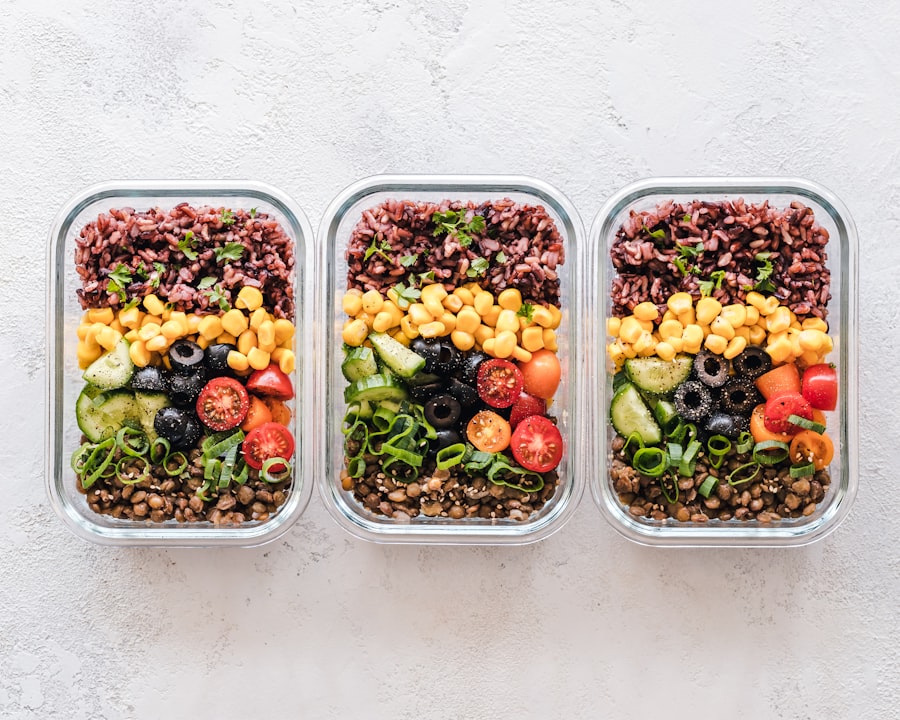
Nutrient timing refers to the strategic consumption of macronutrients around your workouts to maximize performance and recovery. While the total daily intake of nutrients is crucial, when you eat can also influence your results. For instance, consuming protein and carbohydrates before and after your workouts can enhance muscle recovery and growth.
This practice helps replenish glycogen stores and provides the amino acids necessary for muscle repair. Meal frequency is another aspect to consider. Some individuals thrive on three larger meals per day, while others prefer smaller, more frequent meals.
The key is to find a pattern that works for you and fits into your lifestyle. Eating more frequently can help stabilize blood sugar levels and prevent hunger pangs, making it easier to stick to your dietary plan. However, it’s essential to ensure that each meal is balanced and contains adequate protein, fats, and carbohydrates to support your goals.
Incorporating Protein, Carbohydrates, and Fats into Your Diet
To effectively lose fat and gain muscle, you must understand how to incorporate protein, carbohydrates, and fats into your diet strategically. Protein is often touted as the most critical macronutrient for muscle growth. Aim for a daily intake of around 1.6 to 2.2 grams of protein per kilogram of body weight.
This can come from various sources such as chicken, fish, eggs, legumes, and dairy products. Including protein in every meal can help maintain muscle mass during a caloric deficit while promoting recovery after workouts. Carbohydrates are equally important, especially if you engage in high-intensity training.
They provide the energy needed for your workouts and help replenish glycogen stores post-exercise. Focus on complex carbohydrates like whole grains, fruits, and vegetables rather than simple sugars found in processed foods. Healthy fats should not be overlooked either; they play a vital role in hormone production and overall health.
Incorporate sources like avocados, nuts, seeds, and olive oil into your meals to ensure you’re getting enough essential fatty acids.
The Role of Supplements in Supporting Fat Loss and Muscle Gain
While whole foods should form the foundation of your diet, supplements can play a supportive role in your fat loss and muscle gain journey. Protein powders are among the most popular supplements for those looking to increase their protein intake conveniently. They can be particularly useful post-workout when you need a quick source of protein for recovery.
Additionally, branched-chain amino acids (BCAAs) may help reduce muscle soreness and improve recovery times. Fat loss supplements often claim to boost metabolism or suppress appetite; however, it’s essential to approach these with caution. Many of these products lack substantial scientific backing and may not deliver the promised results without proper diet and exercise.
Instead of relying solely on supplements, consider them as an adjunct to a well-structured diet and training program. Always consult with a healthcare professional before starting any new supplement regimen to ensure it aligns with your individual needs.
Creating a Sustainable and Realistic Meal Plan for Long-Term Success

Assess and Set Realistic Goals
Start by evaluating your current eating habits and identifying areas that need improvement. It’s essential to set achievable goals that align with your lifestyle, rather than opting for drastic changes that may be difficult to maintain over time.
Plan Your Meals
A well-rounded meal plan should include a variety of foods that you enjoy, while ensuring it meets your nutritional needs. Consider batch cooking or meal prepping to save time during the week. Preparing meals in advance can help you avoid unhealthy choices when you’re busy or tired.
Allow for Flexibility
Additionally, allow yourself some flexibility within your meal plan; this could mean incorporating occasional treats or dining out without guilt. The key is moderation – enjoying your favorite foods while still adhering to your overall dietary goals will make it easier to stick with your plan in the long run.
How to Monitor and Adjust Your Diet for Maximum Results
Monitoring your progress is vital for understanding what works best for you in terms of fat loss and muscle gain. Keeping a food diary or using an app can help you track your caloric intake and macronutrient distribution effectively. Regularly assessing your weight, body measurements, or even progress photos can provide valuable insights into how well your current diet is supporting your goals.
As you monitor your progress, be prepared to make adjustments as needed. If you’re not seeing the desired results after several weeks, consider tweaking your caloric intake or macronutrient ratios. It’s important to remember that everyone’s body responds differently; what works for one person may not work for another.
Stay patient and be willing to experiment until you find the right balance that leads to optimal results.
Seeking Professional Guidance for Personalized Fat Loss and Muscle Gain Plans
While self-education is valuable, seeking professional guidance can take your fat loss and muscle gain journey to the next level. A registered dietitian or certified nutritionist can provide personalized advice tailored to your specific needs, preferences, and goals. They can help you navigate the complexities of nutrition science while ensuring that you’re following a safe and effective plan.
Additionally, working with a personal trainer can enhance your workout regimen by providing expert guidance on exercise techniques and program design. Trainers can help keep you accountable while ensuring that you’re performing exercises correctly to prevent injury. Combining professional advice with your commitment can lead to more significant results over time, making it easier for you to achieve lasting success in both fat loss and muscle gain endeavors.
In conclusion, understanding the intricacies of fat loss and muscle gain requires a multifaceted approach that encompasses diet, exercise, monitoring progress, and possibly seeking professional guidance. By focusing on balanced nutrition, nutrient timing, macronutrient distribution, and creating sustainable habits, you set yourself up for success on this transformative journey. Remember that patience is key; results take time but are achievable with dedication and informed choices.
If you are looking to improve your overall health and wellness, you may want to consider incorporating the Ornish Diet into your routine. This plant-based diet focuses on whole foods and has been shown to promote weight loss and improve heart health. In addition to following a healthy diet, getting enough sleep is also crucial for weight loss and muscle gain. Research has shown that lack of sleep can negatively impact your metabolism and hormone levels, making it harder to lose weight. Creating a supportive environment for your health goals is also important, as having a strong support system can help keep you motivated and accountable. For more information on creating a supportive environment for weight loss and muscle gain, check out this article.
FAQs
What is a fat loss and muscle gain diet?
A fat loss and muscle gain diet is a nutrition plan designed to help individuals simultaneously lose body fat and build lean muscle mass. This type of diet typically involves a combination of calorie control, macronutrient balance, and regular exercise.
What are the key components of a fat loss and muscle gain diet?
The key components of a fat loss and muscle gain diet include a caloric deficit to promote fat loss, adequate protein intake to support muscle growth, and a balance of carbohydrates and healthy fats to provide energy for workouts and recovery.
What are some common foods included in a fat loss and muscle gain diet?
Common foods included in a fat loss and muscle gain diet are lean proteins such as chicken, turkey, fish, and tofu, complex carbohydrates like quinoa, sweet potatoes, and brown rice, healthy fats from sources like avocados, nuts, and olive oil, and a variety of fruits and vegetables for essential vitamins and minerals.
How does exercise fit into a fat loss and muscle gain diet?
Exercise is an important component of a fat loss and muscle gain diet as it helps to increase muscle mass, boost metabolism, and improve overall body composition. Strength training, cardiovascular exercise, and high-intensity interval training are often incorporated into a comprehensive fitness plan.
Are there any potential challenges or risks associated with a fat loss and muscle gain diet?
Some potential challenges of a fat loss and muscle gain diet include maintaining a balance between calorie restriction and adequate nutrition, potential muscle loss if the diet is too restrictive, and the risk of developing disordered eating habits. It’s important to consult with a healthcare professional or registered dietitian before starting any new diet or exercise program.