When embarking on a fitness journey, the first step you should take is to set realistic goals. It’s essential to understand that transformation doesn’t happen overnight. Instead of aiming for drastic changes, focus on achievable milestones that can be reached over time.
For instance, rather than setting a goal to lose 20 pounds in a month, consider aiming for a more manageable target, such as losing 1-2 pounds per week. This approach not only makes your goals more attainable but also helps you maintain motivation as you celebrate each small victory along the way. Moreover, it’s crucial to tailor your goals to your personal circumstances and lifestyle.
Reflect on your current fitness level, time availability, and any potential obstacles you might face. If you’re new to exercise, setting a goal to work out three times a week for 30 minutes can be a great starting point. As you progress, you can gradually increase the intensity and frequency of your workouts.
Remember, the key is to create goals that are specific, measurable, achievable, relevant, and time-bound (SMART). This framework will guide you in crafting a clear path toward your fitness aspirations.
Key Takeaways
- Setting realistic goals is important for long-term success in fitness and health.
- Creating a nutritious meal plan is essential for fueling the body and supporting fitness goals.
- Designing a home workout routine can help maintain consistency and convenience in fitness efforts.
- Incorporating both cardio and strength training into a fitness routine can lead to well-rounded results.
- Tracking progress and making adjustments is crucial for staying on track and reaching fitness goals.
Creating a Nutritious Meal Plan
Assessing Your Dietary Habits
Once you have established your fitness goals, the next step is to create a nutritious meal plan that supports your objectives. Nutrition plays a pivotal role in achieving your fitness targets, whether you aim to lose weight, build muscle, or simply maintain a healthy lifestyle. Start by assessing your dietary habits and identifying areas for improvement.
Designing a Balanced Meal Plan
You might find that incorporating more whole foods—such as fruits, vegetables, lean proteins, and whole grains—can significantly enhance your overall nutrition. As you design your meal plan, consider portion control and balance. Aim to fill half of your plate with vegetables and fruits, one-quarter with lean protein sources like chicken or legumes, and the remaining quarter with whole grains such as brown rice or quinoa.
Additional Tips for Success
Additionally, don’t forget to stay hydrated; drinking plenty of water throughout the day is essential for optimal performance and recovery. Planning your meals in advance can also help you avoid unhealthy choices when hunger strikes. By preparing healthy snacks and meals ahead of time, you’ll be more likely to stick to your nutrition goals.
Designing a Home Workout Routine
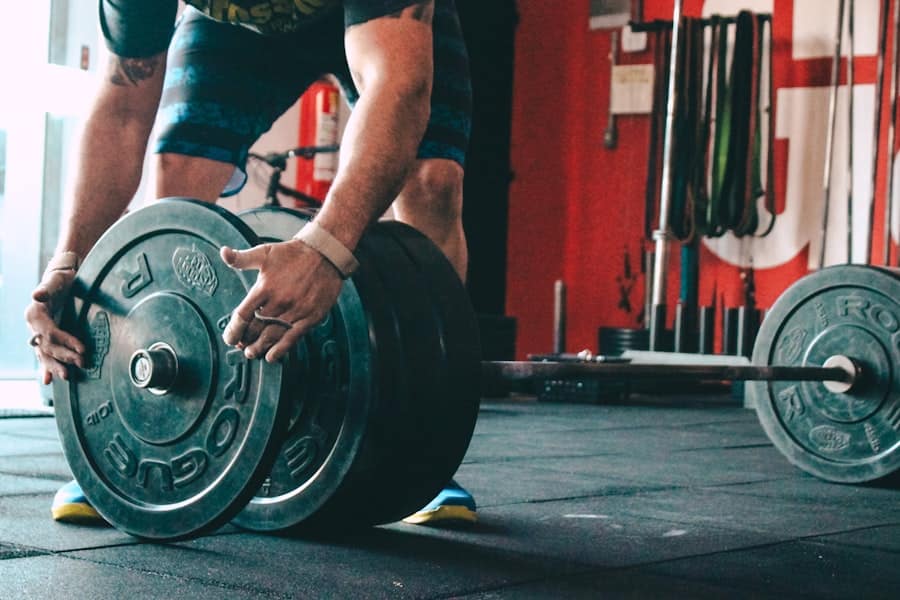
Creating a home workout routine can be both exciting and challenging. The beauty of working out at home is the flexibility it offers; you can choose the time and type of exercise that best fits your schedule and preferences. Start by determining which types of workouts you enjoy most—whether it’s strength training, yoga, or high-intensity interval training (HIIT).
This will make it easier for you to stay committed to your routine. Once you’ve identified your preferred workout styles, structure your routine to include a variety of exercises that target different muscle groups. For example, you might dedicate certain days to upper body workouts while reserving others for lower body or core exercises.
Incorporating a mix of strength training and flexibility work will not only keep things interesting but also promote overall fitness. Additionally, consider setting aside specific days for rest or active recovery to allow your body time to recuperate.
Incorporating Cardio and Strength Training
To achieve a well-rounded fitness regimen, it’s essential to incorporate both cardio and strength training into your routine. Cardiovascular exercises—such as running, cycling, or dancing—are excellent for improving heart health and burning calories. Aim for at least 150 minutes of moderate-intensity cardio each week.
You can break this down into manageable sessions; for instance, 30 minutes of brisk walking five times a week can be an effective way to meet this goal. On the other hand, strength training is vital for building muscle mass and increasing metabolism. You don’t need access to a gym or fancy equipment; bodyweight exercises like push-ups, squats, and lunges can be performed anywhere.
Aim to include strength training exercises at least two days a week, focusing on all major muscle groups. By balancing cardio with strength training, you’ll create a comprehensive workout plan that enhances endurance while promoting muscle growth.
Tracking Progress and Making Adjustments
Tracking your progress is an integral part of any fitness journey. By keeping a record of your workouts, nutrition, and overall well-being, you can gain valuable insights into what works best for you. Consider using a journal or fitness app to log your activities and monitor changes in your body composition or energy levels over time.
This practice not only helps you stay accountable but also allows you to celebrate your achievements along the way. As you track your progress, be open to making adjustments as needed. If you find that certain workouts are becoming too easy or that your weight loss has plateaued, it may be time to increase the intensity or change up your routine.
Flexibility is key; don’t be afraid to experiment with new exercises or meal options to keep things fresh and engaging. Remember that fitness is a journey filled with ups and downs; being adaptable will help you navigate challenges while staying focused on your long-term goals.
Utilizing Home Fitness Equipment

While it’s entirely possible to achieve great results with just your body weight, incorporating home fitness equipment can enhance your workouts significantly. Consider investing in some basic items like resistance bands, dumbbells, or a stability ball. These tools can add variety to your routine and help target specific muscle groups more effectively.
For instance, resistance bands are excellent for strength training without taking up much space. Additionally, if you have the budget and room for larger equipment like a stationary bike or treadmill, these can provide excellent options for cardio workouts at home. However, remember that even simple items like a jump rope or yoga mat can be incredibly effective in diversifying your exercise regimen.
The key is to choose equipment that aligns with your fitness goals and preferences while ensuring that it fits comfortably within your living space.
Prioritizing Rest and Recovery
In the pursuit of fitness goals, it’s easy to overlook the importance of rest and recovery. However, allowing your body adequate time to recuperate is crucial for preventing injuries and promoting muscle growth. Make sure to schedule rest days into your workout routine; these are just as important as the days you spend exercising.
On rest days, consider engaging in light activities like walking or stretching to keep your body moving without overexerting yourself. Moreover, pay attention to how your body feels during workouts. If you experience persistent fatigue or soreness, it may be an indication that you need more recovery time.
Incorporating practices such as foam rolling or gentle yoga can aid in muscle recovery and improve flexibility. Remember that rest isn’t a sign of weakness; it’s an essential component of any successful fitness plan that allows you to come back stronger.
Seeking Professional Guidance
Finally, don’t hesitate to seek professional guidance if you feel overwhelmed or unsure about how to proceed on your fitness journey. Personal trainers can provide tailored workout plans based on your individual goals and needs while offering motivation and accountability along the way. Additionally, nutritionists can help you create meal plans that align with your fitness objectives while ensuring that you’re meeting all of your nutritional requirements.
If personal training isn’t within your budget, consider exploring online resources such as workout videos or virtual coaching sessions. Many fitness professionals offer affordable options that allow you to benefit from their expertise without breaking the bank. Remember that investing in professional guidance can save you time and frustration while helping you achieve results more efficiently.
In conclusion, embarking on a fitness journey requires careful planning and commitment. By setting realistic goals, creating nutritious meal plans, designing effective workout routines, incorporating various forms of exercise, tracking progress, utilizing home equipment wisely, prioritizing rest, and seeking professional guidance when needed, you’ll be well on your way to achieving lasting results. Embrace the process and enjoy the journey toward a healthier version of yourself!
If you are looking to lose fat and gain muscle at home, it is important to consider how hormonal imbalances can affect your progress. According to a recent article on superfatburner.net, hormonal imbalances can make it difficult to achieve your fitness goals. It is also crucial to be cautious of burn fat fast pills, as discussed in another article on the same website here. Additionally, if you are pregnant and trying to manage your weight, you may want to read up on gestational diabetes and its impact on your health and fitness journey in this article here.
FAQs
What are some effective exercises to lose fat and gain muscle at home?
Some effective exercises to lose fat and gain muscle at home include bodyweight exercises such as squats, lunges, push-ups, and planks. Additionally, using resistance bands or dumbbells can help to increase the intensity of your workouts.
How often should I exercise to lose fat and gain muscle at home?
To see results in losing fat and gaining muscle at home, it is recommended to exercise at least 3-4 times per week. It’s important to include both strength training and cardiovascular exercises in your routine for best results.
What should I eat to support fat loss and muscle gain while working out at home?
To support fat loss and muscle gain while working out at home, it’s important to focus on a balanced diet that includes lean protein, healthy fats, complex carbohydrates, and plenty of fruits and vegetables. It’s also important to stay hydrated and limit processed foods and added sugars.
How long does it take to see results from losing fat and gaining muscle at home?
The time it takes to see results from losing fat and gaining muscle at home can vary depending on individual factors such as starting fitness level, diet, and consistency with exercise. Generally, it can take a few weeks to start seeing changes in body composition and strength, but significant results may take several months of consistent effort.
Are there any specific tips for losing fat and gaining muscle at home?
Some specific tips for losing fat and gaining muscle at home include setting realistic goals, tracking your progress, getting enough rest and recovery, and staying consistent with your workouts and nutrition. It’s also important to vary your workouts to prevent plateaus and keep challenging your muscles.