When embarking on a journey toward fat loss and muscle gain, it’s essential to grasp the fundamental principles that govern these processes. At its core, fat loss occurs when you create a caloric deficit, meaning you consume fewer calories than your body expends. This deficit forces your body to tap into its fat reserves for energy, leading to a reduction in body fat over time.
On the other hand, muscle gain, or hypertrophy, requires a caloric surplus combined with resistance training. This means you need to consume more calories than you burn, providing your body with the necessary nutrients to repair and build muscle tissue after workouts. Understanding these two processes is crucial because they often seem at odds with one another.
You might find yourself wondering how you can lose fat while simultaneously gaining muscle. The key lies in your approach. By focusing on a well-structured program that incorporates both strength training and cardiovascular exercise, you can achieve a balance that allows for fat loss while promoting muscle growth.
It’s important to recognize that these goals can be pursued simultaneously, but they require careful planning and execution to ensure that one does not hinder the other.
Key Takeaways
- Understanding the basics of fat loss and muscle gain is essential for achieving fitness goals.
- Nutrition plays a crucial role in both fat loss and muscle gain, emphasizing the importance of a balanced diet.
- High-Intensity Interval Training (HIIT) can be incorporated for optimal results in fat loss and muscle gain.
- Balancing cardio and strength training is key for maximum efficiency in achieving fitness goals.
- Rest and recovery are essential in the process of fat loss and muscle gain, allowing the body to repair and grow.
The Importance of Nutrition in Achieving Both Goals
Nutrition plays a pivotal role in your quest for fat loss and muscle gain. The food you consume provides the building blocks for muscle repair and growth, as well as the energy needed for your workouts. To effectively lose fat while gaining muscle, you must prioritize a balanced diet rich in whole foods.
This includes lean proteins, healthy fats, and complex carbohydrates. Proteins are particularly important, as they provide the amino acids necessary for muscle recovery and growth. Incorporating sources like chicken, fish, legumes, and dairy into your meals can help you meet your protein needs.
Moreover, understanding macronutrient ratios is vital for achieving your goals. You may need to adjust your intake of carbohydrates and fats based on your activity level and personal preferences. For instance, if you’re engaging in intense workouts, you might benefit from a higher carbohydrate intake to fuel your performance.
Conversely, if your focus is on fat loss, you may want to moderate your carbohydrate consumption while ensuring adequate protein intake to preserve muscle mass. Tracking your food intake can help you stay accountable and make informed choices that align with your objectives.
Incorporating High-Intensity Interval Training (HIIT) for Optimal Results
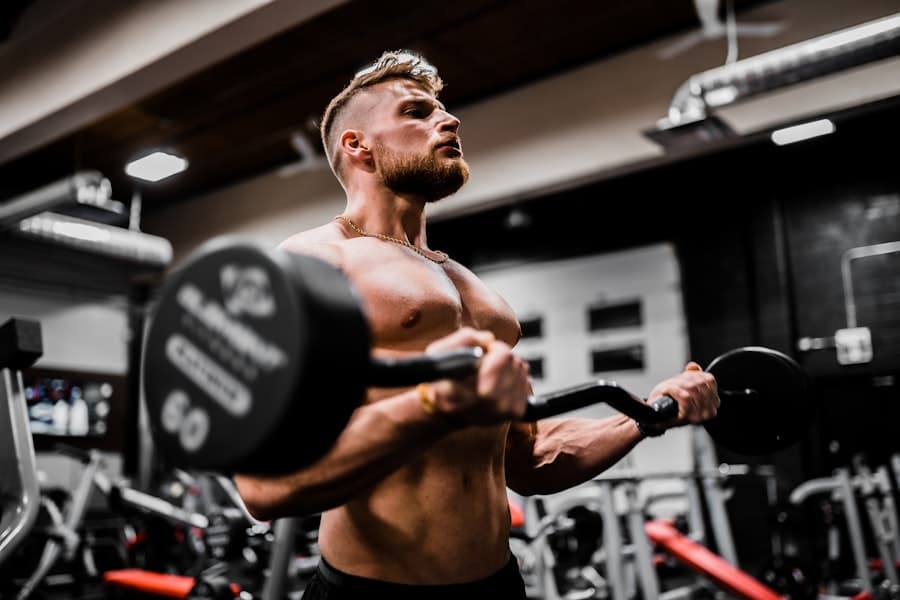
High-Intensity Interval Training (HIIT) has gained popularity as an effective method for burning fat while preserving muscle mass. This training style involves alternating between short bursts of intense exercise and periods of rest or lower-intensity activity. The beauty of HIIT lies in its efficiency; you can achieve significant results in a shorter amount of time compared to traditional steady-state cardio.
By incorporating HIIT into your routine, you can elevate your heart rate, boost metabolism, and enhance fat oxidation. In addition to its fat-burning benefits, HIIT can also contribute to muscle gain when combined with resistance training. The intense nature of HIIT workouts stimulates muscle fibers and promotes adaptations that lead to increased strength and endurance.
You might consider integrating HIIT sessions into your weekly workout plan, perhaps two to three times a week, while allowing adequate recovery time between sessions. This approach not only keeps your workouts engaging but also maximizes the benefits of both fat loss and muscle gain.
Balancing Cardio and Strength Training for Maximum Efficiency
Finding the right balance between cardiovascular exercise and strength training is crucial for achieving optimal results in fat loss and muscle gain. While cardio is effective for burning calories and improving cardiovascular health, strength training is essential for building and maintaining muscle mass. You may want to consider a well-rounded fitness program that includes both modalities to ensure you’re addressing all aspects of fitness.
A common approach is to dedicate specific days to strength training while reserving others for cardio workouts. For instance, you could focus on strength training three days a week and incorporate cardio sessions on alternate days. This allows you to prioritize muscle-building exercises while still reaping the benefits of cardiovascular activity.
Additionally, incorporating compound movements such as squats, deadlifts, and bench presses during strength training can maximize calorie expenditure and promote muscle growth simultaneously.
The Role of Rest and Recovery in the Process
Rest and recovery are often overlooked components of any fitness regimen, yet they are vital for achieving both fat loss and muscle gain. When you engage in intense workouts, your muscles undergo stress and micro-tears that require time to heal. Without adequate rest, you risk overtraining, which can lead to fatigue, decreased performance, and even injury.
It’s essential to listen to your body and allow for recovery days in your training schedule. Incorporating active recovery techniques such as stretching, yoga, or light walking can also aid in the recovery process. These activities promote blood flow to the muscles and help alleviate soreness without placing additional strain on your body.
Furthermore, prioritizing sleep is crucial; aim for seven to nine hours of quality sleep each night to support hormonal balance and recovery processes. By valuing rest as much as your workouts, you’ll set yourself up for long-term success in achieving your fitness goals.
Avoiding Common Pitfalls and Mistakes

As you navigate your journey toward fat loss and muscle gain, it’s important to be aware of common pitfalls that can derail your progress. One frequent mistake is falling into the trap of extreme dieting or overly restrictive eating patterns. While it may seem tempting to drastically cut calories in pursuit of quick results, this approach can lead to nutrient deficiencies and hinder muscle growth.
Instead, focus on creating a sustainable caloric deficit that allows for gradual fat loss while still providing enough energy for workouts. Another common error is neglecting the importance of consistency. Many individuals start strong but struggle to maintain their efforts over time.
To avoid this pitfall, establish a realistic workout schedule that fits into your lifestyle and commit to it. Consistency is key when it comes to seeing results; even small efforts add up over time. Additionally, be mindful of setting overly ambitious goals that may lead to frustration or burnout.
Instead, aim for incremental progress that celebrates small victories along the way.
Setting Realistic Goals and Tracking Progress
Setting realistic goals is essential for maintaining motivation and ensuring long-term success in your fitness journey. Rather than aiming for drastic changes in a short period, consider establishing SMART goals—specific, measurable, achievable, relevant, and time-bound. For example, instead of saying you want to lose 20 pounds in a month, aim for losing 1-2 pounds per week over several months.
This approach allows for sustainable progress while minimizing the risk of disappointment. Tracking your progress is equally important in staying accountable and motivated. You might consider keeping a journal or using fitness apps to log your workouts, nutrition, and body measurements.
Regularly assessing your progress can help you identify what’s working well and where adjustments may be needed. Celebrate milestones along the way—whether it’s lifting heavier weights or fitting into clothes more comfortably—as these achievements will reinforce your commitment to your goals.
Seeking Professional Guidance and Support for Sustainable Results
Finally, seeking professional guidance can significantly enhance your journey toward fat loss and muscle gain. A certified personal trainer or nutritionist can provide personalized advice tailored to your unique needs and goals. They can help you design an effective workout program that balances strength training and cardio while ensuring proper form during exercises to prevent injury.
Additionally, having a support system can make a world of difference in staying motivated and accountable. Whether it’s joining a fitness class or finding a workout buddy, surrounding yourself with like-minded individuals can create a positive environment that encourages consistency and perseverance. Remember that achieving sustainable results takes time; by investing in professional guidance and support, you’ll be better equipped to navigate challenges along the way and ultimately reach your fitness aspirations.
In conclusion, embarking on a journey toward fat loss and muscle gain requires a multifaceted approach that encompasses understanding the basics of both processes, prioritizing nutrition, incorporating effective training methods like HIIT, balancing cardio with strength training, valuing rest and recovery, avoiding common pitfalls, setting realistic goals, and seeking professional support. By embracing these principles with dedication and patience, you’ll be well on your way to achieving lasting results that enhance both your physical appearance and overall well-being.
If you are looking to lose fat and gain muscle at the same time, you may want to check out this article on how to burn fat in muscles. This article provides tips and strategies on how to effectively target fat in your muscles while also building muscle mass. It complements the information provided in articles on how to burn fat and burn fat fast pills, offering a comprehensive approach to achieving your fitness goals.
FAQs
Can you lose fat and gain muscle at the same time?
Yes, it is possible to lose fat and gain muscle at the same time, especially for beginners or those returning to exercise after a break. This process is known as body recomposition.
What is body recomposition?
Body recomposition is the process of simultaneously losing body fat and gaining muscle mass. It involves a combination of resistance training, cardiovascular exercise, and a balanced diet.
How can I achieve body recomposition?
To achieve body recomposition, it is important to engage in regular resistance training to build muscle, incorporate cardiovascular exercise to burn fat, and maintain a balanced diet that includes adequate protein and nutrients.
Is it necessary to track my progress when trying to lose fat and gain muscle?
Yes, tracking your progress is important when trying to lose fat and gain muscle. This can be done by measuring body weight, body fat percentage, and taking progress photos. Tracking progress allows you to make adjustments to your exercise and nutrition plan as needed.
What role does nutrition play in body recomposition?
Nutrition plays a crucial role in body recomposition. Consuming an adequate amount of protein is essential for muscle growth, while maintaining a caloric deficit can help with fat loss. It is important to focus on nutrient-dense foods and monitor portion sizes.
How long does it take to see results with body recomposition?
The timeline for seeing results with body recomposition varies from person to person. Generally, noticeable changes may be seen within a few weeks to a few months, depending on factors such as starting body composition, exercise intensity, and dietary habits. Consistency and patience are key.