When embarking on a journey toward fat loss and muscle gain, it’s essential to grasp the fundamental principles that govern these processes. At its core, fat loss occurs when you burn more calories than you consume, creating a caloric deficit. This deficit forces your body to tap into its fat reserves for energy, leading to a reduction in body fat.
On the other hand, muscle gain, or hypertrophy, happens when you engage in activities that stimulate muscle fibers, prompting them to grow in size and strength. This often requires a caloric surplus, where you consume more calories than you burn, providing your body with the necessary nutrients to repair and build muscle tissue. Understanding these concepts is crucial for you as you navigate your fitness journey.
It’s not just about losing weight or gaining muscle; it’s about finding the right balance between the two. You may find yourself in a phase where you focus on fat loss, followed by a phase dedicated to muscle gain. Each phase requires a different approach to diet and exercise, and recognizing this can help you tailor your strategy effectively.
By understanding how your body responds to different stimuli, you can make informed decisions that align with your goals.
Key Takeaways
- Understanding the Basics of Fat Loss and Muscle Gain:
- Fat loss and muscle gain are achieved through a combination of exercise and nutrition.
- Building muscle requires a calorie surplus, while losing fat requires a calorie deficit.
- The Importance of Nutrition for Fat Loss and Muscle Gain:
- Nutrition plays a crucial role in achieving fat loss and muscle gain goals.
- A balanced diet with adequate protein, carbohydrates, and healthy fats is essential for muscle growth and fat loss.
- Effective Workouts for Women to Lose Fat and Gain Muscle:
- Women can benefit from a combination of strength training and cardiovascular exercises to lose fat and gain muscle.
- High intensity interval training (HIIT) can be particularly effective for women looking to achieve fat loss and muscle gain.
- The Role of Resistance Training in Building Muscle:
- Resistance training, such as weightlifting, is essential for building muscle and increasing strength.
- Incorporating compound exercises, like squats and deadlifts, can help women build muscle effectively.
- Avoiding Common Mistakes in Fat Loss and Muscle Gain:
- Avoiding crash diets and excessive cardio can prevent muscle loss during fat loss efforts.
- Proper hydration and adequate rest are important for optimizing fat loss and muscle gain.
- The Benefits of High Intensity Interval Training for Women:
- HIIT can help women burn fat and build muscle in a shorter amount of time compared to traditional cardio workouts.
- HIIT can also boost metabolism and improve cardiovascular health in women.
- The Importance of Rest and Recovery in the Process of Fat Loss and Muscle Gain:
- Rest and recovery are crucial for muscle repair and growth.
- Overtraining can hinder progress, so it’s important to prioritize rest and recovery.
- Setting Realistic Goals and Tracking Progress in Fat Loss and Muscle Gain:
- Setting realistic and achievable goals is important for long-term success in fat loss and muscle gain.
- Tracking progress through measurements, photos, and strength improvements can help women stay motivated and on track.
The Importance of Nutrition for Fat Loss and Muscle Gain
The Importance of Macronutrients
For instance, protein is essential for muscle repair and growth, while carbohydrates provide the energy needed for intense workouts. By prioritizing nutrient-dense foods, you can fuel your body effectively and support your fitness objectives. Moreover, understanding macronutrients—proteins, fats, and carbohydrates—can empower you to make better dietary choices.
Tracking Your Intake
You might consider tracking your intake to ensure you’re meeting your nutritional needs. This doesn’t mean you have to count every calorie meticulously; rather, it’s about being mindful of what you eat and how it affects your body. Incorporating a variety of foods into your diet can help prevent boredom and ensure you’re getting a wide range of nutrients.
Achieving a Sustainable Lifestyle
Remember, the goal is not just to lose fat or gain muscle but to cultivate a sustainable lifestyle that supports your overall health.
Effective Workouts for Women to Lose Fat and Gain Muscle
When it comes to effective workouts for women aiming to lose fat and gain muscle, variety is key. You may find that incorporating a mix of cardiovascular exercises, strength training, and flexibility work can yield the best results. Cardio workouts, such as running, cycling, or swimming, can help create the caloric deficit necessary for fat loss while also improving cardiovascular health.
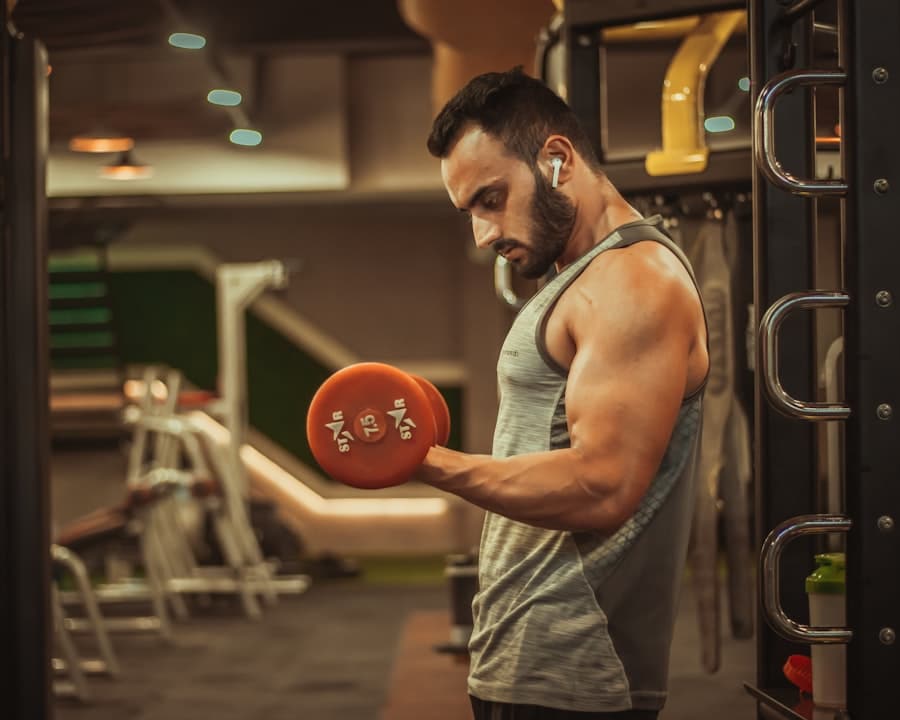
However, relying solely on cardio may not be sufficient for muscle gain; this is where strength training comes into play. Strength training is particularly beneficial for women because it helps build lean muscle mass, which in turn boosts metabolism. You might consider incorporating exercises like squats, deadlifts, and bench presses into your routine.
These compound movements engage multiple muscle groups simultaneously, making them efficient for both fat loss and muscle gain. Additionally, don’t shy away from using weights; lifting heavier can lead to greater muscle growth and strength improvements over time. By combining different types of workouts, you can create a balanced fitness regimen that supports your goals.
The Role of Resistance Training in Building Muscle
Resistance training is a cornerstone of any effective program aimed at building muscle. This type of training involves using weights or resistance bands to create tension in your muscles, prompting them to adapt and grow stronger over time. As you engage in resistance training, you’ll likely notice improvements in both your strength and physique.
It’s important to challenge yourself progressively; this means gradually increasing the weight or resistance as your muscles adapt to the current load. Incorporating resistance training into your routine doesn’t have to be intimidating. You can start with bodyweight exercises like push-ups and lunges before progressing to free weights or machines at the gym.
The key is consistency; aim to include resistance training at least two to three times per week. This will not only help you build muscle but also improve bone density and overall functional strength. As you become more comfortable with resistance training, you may find it empowering to see how your body responds and transforms over time.
Avoiding Common Mistakes in Fat Loss and Muscle Gain
As you embark on your journey toward fat loss and muscle gain, it’s crucial to be aware of common pitfalls that can hinder your progress. One frequent mistake is focusing solely on the scale as a measure of success. While tracking your weight can provide some insight, it doesn’t tell the whole story.
Muscle is denser than fat, so it’s possible to lose fat while gaining muscle without seeing significant changes on the scale. Instead of fixating on numbers, consider other indicators of progress such as how your clothes fit or improvements in strength. Another common mistake is neglecting recovery time.
Many individuals believe that more workouts equate to faster results; however, this can lead to burnout or injury. Your muscles need time to repair after intense workouts, so incorporating rest days into your routine is essential for long-term success. Listen to your body; if you’re feeling fatigued or sore, it may be time to take a step back and allow yourself some recovery time.
By avoiding these common mistakes, you can create a more effective and sustainable approach to achieving your fitness goals.
The Benefits of High Intensity Interval Training for Women
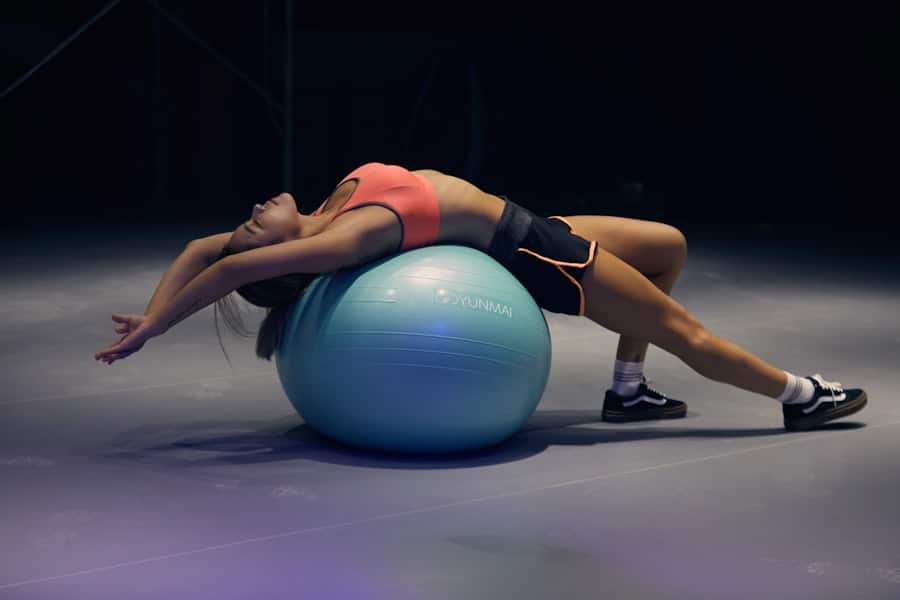
High-Intensity Interval Training (HIIT) has gained popularity in recent years for good reason—it offers numerous benefits for women looking to lose fat and gain muscle efficiently. HIIT involves alternating between short bursts of intense exercise followed by brief recovery periods. This method not only maximizes calorie burn during the workout but also elevates your metabolism post-exercise, leading to continued fat burning even after you’ve finished.
Incorporating HIIT into your routine can be both time-efficient and effective. You might find that a 20-30 minute HIIT session can provide similar benefits to longer steady-state cardio workouts while keeping things exciting and varied. Additionally, HIIT can improve cardiovascular fitness and enhance muscular endurance without requiring hours spent in the gym.
As you explore different HIIT workouts—whether through classes or online videos—you may discover new exercises that challenge you in ways traditional workouts do not.
The Importance of Rest and Recovery in the Process of Fat Loss and Muscle Gain
Rest and recovery are often overlooked aspects of any fitness journey but are vital for achieving optimal results in fat loss and muscle gain. When you exercise, especially during resistance training, you create tiny tears in your muscle fibers. It’s during the recovery phase that these fibers repair themselves and grow stronger.
Without adequate rest, you risk overtraining, which can lead to fatigue, decreased performance, and even injury. Incorporating rest days into your routine allows your body the time it needs to recover fully. This doesn’t mean you have to be completely inactive; consider engaging in light activities such as walking or yoga on rest days to promote blood flow without putting too much strain on your muscles.
Additionally, prioritize sleep as part of your recovery strategy; quality sleep is essential for hormone regulation and overall well-being. By valuing rest as much as your workouts, you’ll set yourself up for long-term success in achieving your fitness goals.
Setting Realistic Goals and Tracking Progress in Fat Loss and Muscle Gain
Setting realistic goals is crucial for maintaining motivation throughout your journey toward fat loss and muscle gain. Instead of aiming for drastic changes in a short period, focus on achievable milestones that allow for gradual progress. For instance, setting a goal to lose one pound per week or increase your squat weight by five pounds each month can provide a sense of accomplishment without overwhelming yourself.
Tracking your progress is equally important; this can help you stay accountable and motivated as you work toward your goals. Consider keeping a journal or using fitness apps to log workouts, nutrition intake, and measurements over time. This not only allows you to see how far you’ve come but also helps identify patterns that may need adjustment along the way.
Remember that progress isn’t always linear; there will be ups and downs throughout your journey. By setting realistic goals and tracking your progress diligently, you’ll cultivate a positive mindset that supports long-term success in fat loss and muscle gain.
If you are looking to incorporate fat-burning exercises into your routine, you may want to check out this article on fat-burning exercises at home for females. These exercises can help you achieve your goals of losing fat and gaining muscle, especially when combined with a healthy diet. Additionally, cardiovascular exercises are also important for overall fitness and weight loss. You can learn more about the benefits of cardio workouts in this article on cardiovascular exercises. And if you are considering using supplements to aid in fat loss, you may want to read up on burn fat pills available at GNC in this informative article.
FAQs
What is the relationship between losing fat and gaining muscle for women?
The relationship between losing fat and gaining muscle for women is that in order to achieve a lean and toned physique, it is important to focus on both reducing body fat and increasing muscle mass. This can be achieved through a combination of proper nutrition, strength training, and cardiovascular exercise.
Is it possible for women to lose fat and gain muscle at the same time?
Yes, it is possible for women to lose fat and gain muscle at the same time. This process is known as body recomposition and involves a combination of resistance training, adequate protein intake, and a slight calorie deficit to promote fat loss while preserving and building muscle mass.
What are some effective strategies for women to lose fat and gain muscle?
Some effective strategies for women to lose fat and gain muscle include following a balanced and nutritious diet, engaging in regular strength training exercises, incorporating high-intensity interval training (HIIT) for fat loss, getting enough rest and recovery, and staying consistent with their fitness routine.
How does nutrition play a role in losing fat and gaining muscle for women?
Nutrition plays a crucial role in losing fat and gaining muscle for women. Consuming an adequate amount of protein is essential for muscle repair and growth, while maintaining a slight calorie deficit can help with fat loss. Additionally, prioritizing whole foods, staying hydrated, and managing portion sizes are important factors in achieving the desired body composition.
What are some common misconceptions about losing fat and gaining muscle for women?
Some common misconceptions about losing fat and gaining muscle for women include the belief that lifting weights will make them bulky, that spot reduction is possible, and that extreme calorie restriction is necessary for fat loss. It’s important for women to understand that resistance training is beneficial for toning and shaping the body, that overall fat loss is not targeted to specific areas, and that sustainable, balanced nutrition is key for long-term success.