When you embark on a journey to transform your body, it’s essential to grasp the fundamental principles of fat burning and muscle building. At its core, fat burning occurs when your body utilizes stored fat as a source of energy, particularly during periods of caloric deficit. This means that you need to consume fewer calories than you expend.
On the other hand, muscle building, or hypertrophy, requires a caloric surplus combined with resistance training. This process involves the breakdown of muscle fibers during workouts, which then repair and grow stronger with adequate nutrition and rest. To effectively burn fat while building muscle, you must strike a balance between these two processes.
This often involves a strategic approach to your diet and exercise regimen. You might find that incorporating strength training into your routine not only helps in muscle development but also boosts your metabolism, allowing you to burn more calories even at rest. Understanding how these two processes interact will empower you to make informed decisions about your fitness journey, ensuring that you are not just losing weight but also gaining strength and endurance.
Key Takeaways
- Understanding the basics of fat burning and muscle building is essential for achieving fitness goals.
- Protein plays a crucial role in muscle building and should be a key component of your diet.
- Incorporating healthy fats into your meals is important for overall health and can support fat burning.
- Choosing complex carbohydrates for energy can help fuel your workouts and support muscle building.
- Fiber is important for weight management and should be included in your meal plan.
The Importance of Protein in Your Diet
The Importance of Protein in Muscle Repair and Growth
When you engage in resistance training, your muscles experience micro-tears that need to be repaired. Consuming adequate protein helps facilitate this recovery process, allowing your muscles to rebuild stronger than before.
Variety of Protein Sources for a Complete Amino Acid Profile
Aim for a variety of protein sources, including lean meats, fish, eggs, dairy products, legumes, and plant-based proteins to ensure you’re getting a complete amino acid profile.
Protein’s Role in Managing Hunger and Reducing Calorie Intake
Protein is known for its satiating properties, which can help you manage hunger and reduce overall calorie intake. When you include protein in your meals, you may find that you feel fuller for longer periods, making it easier to stick to your dietary goals. This is particularly beneficial when you’re trying to create a caloric deficit for fat loss. By incorporating protein into every meal and snack, you can enhance your body composition while keeping cravings at bay.
Incorporating Healthy Fats into Your Meals
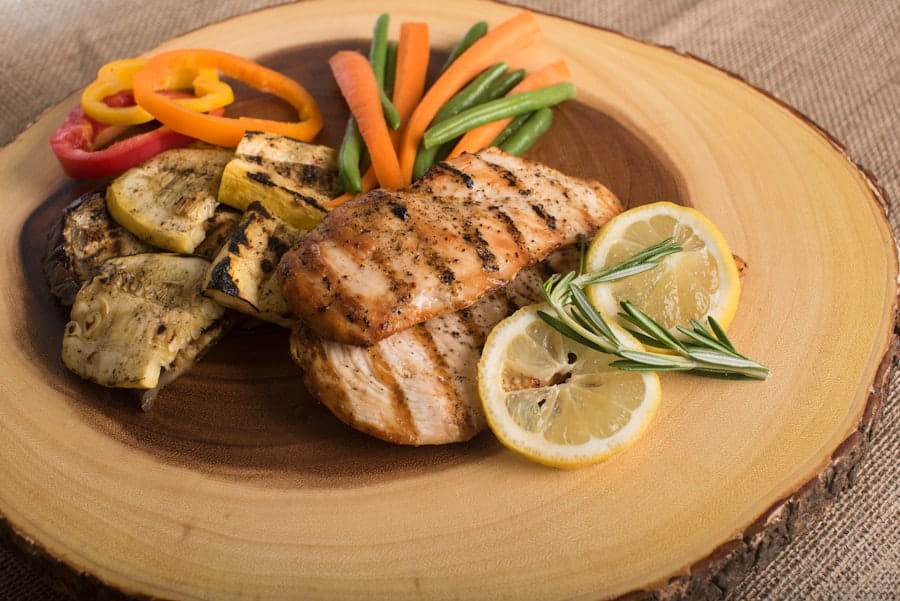
While fats have often been demonized in the world of dieting, it’s crucial to recognize that healthy fats are an essential component of a balanced diet. These fats provide energy, support cell growth, and aid in the absorption of fat-soluble vitamins such as A, D, E, and K. As you work towards your fitness goals, consider including sources of healthy fats like avocados, nuts, seeds, olive oil, and fatty fish in your meals.
These foods not only contribute to overall health but also help keep you satisfied and energized throughout the day. Incorporating healthy fats into your diet can also play a role in hormone regulation, which is vital for both fat loss and muscle gain. Hormones like testosterone and estrogen are influenced by dietary fat intake, and maintaining balanced hormone levels can enhance your body’s ability to build muscle and burn fat effectively.
By being mindful of the types of fats you consume and ensuring they come from wholesome sources, you can support your fitness journey while enjoying delicious meals.
Choosing Complex Carbohydrates for Energy
Carbohydrates are often misunderstood in the context of fat loss and muscle gain. While it’s true that not all carbs are created equal, choosing complex carbohydrates can provide the sustained energy needed for effective workouts and recovery. Complex carbs, such as whole grains, legumes, fruits, and vegetables, are rich in fiber and take longer to digest than simple carbohydrates.
This slow release of energy helps maintain stable blood sugar levels and keeps you feeling full longer. As you plan your meals around your fitness goals, focus on incorporating complex carbohydrates into your diet. These foods not only fuel your workouts but also provide essential nutrients that support overall health.
For instance, whole grains are packed with vitamins and minerals that contribute to optimal bodily functions. By prioritizing complex carbs over refined sugars and processed foods, you can enhance your energy levels while promoting fat loss and muscle gain.
The Role of Fiber in Weight Management
Fiber is an often-overlooked component of a healthy diet that plays a significant role in weight management. As you strive for fat loss and muscle gain, incorporating fiber-rich foods can help regulate digestion and promote feelings of fullness. Foods high in fiber include fruits, vegetables, whole grains, legumes, nuts, and seeds.
By adding these foods to your meals and snacks, you can create a sense of satiety that may prevent overeating. Additionally, fiber aids in maintaining stable blood sugar levels by slowing down the absorption of sugar into the bloodstream. This can be particularly beneficial when you’re trying to manage cravings or avoid energy crashes throughout the day.
By focusing on fiber-rich foods as part of your overall dietary strategy, you can support your weight management efforts while enjoying a diverse range of delicious options.
Hydration and its Impact on Fat Burning and Muscle Building
Hydration is often an underestimated aspect of fitness that can significantly impact both fat burning and muscle building. Water plays a crucial role in various bodily functions, including digestion, nutrient absorption, and temperature regulation. When you’re adequately hydrated, your body operates more efficiently during workouts, allowing you to perform at your best.
Conversely, dehydration can lead to fatigue and decreased performance levels. Moreover, staying hydrated can aid in weight management by promoting feelings of fullness. Sometimes our bodies confuse thirst with hunger, leading to unnecessary snacking or overeating.
By drinking enough water throughout the day—especially before meals—you may find it easier to control your appetite. As you pursue your fitness goals, make hydration a priority by carrying a water bottle with you and setting reminders to drink water regularly.
Pre- and Post-Workout Nutrition for Optimal Results
The timing of your meals can significantly influence your workout performance and recovery. Pre-workout nutrition is essential for fueling your body with the energy it needs to perform at its best. Ideally, you should consume a balanced meal or snack containing carbohydrates and protein about 30 minutes to two hours before exercising.
This will provide the necessary energy for your workout while helping to prevent muscle breakdown. Post-workout nutrition is equally important as it aids in recovery and muscle repair. After an intense workout session, your muscles are primed to absorb nutrients that will help them recover and grow stronger.
Consuming a combination of protein and carbohydrates within 30 minutes after exercising can replenish glycogen stores and kickstart the recovery process. Consider options like a protein shake with fruit or a balanced meal featuring lean protein and whole grains to optimize your results.
Creating a Balanced and Sustainable Meal Plan for Fat Loss and Muscle Gain
To achieve lasting results in fat loss and muscle gain, it’s essential to create a balanced meal plan that is both sustainable and enjoyable. Start by assessing your caloric needs based on your activity level and fitness goals. From there, focus on incorporating a variety of nutrient-dense foods from all food groups—proteins, healthy fats, complex carbohydrates, fruits, vegetables, and fiber-rich options.
As you design your meal plan, consider meal prepping to save time during busy weeks while ensuring you have healthy options readily available. Experiment with different recipes that incorporate the principles discussed above—such as lean proteins paired with whole grains and plenty of vegetables—to keep things interesting. Remember that flexibility is key; allow yourself occasional treats or variations in your meals to maintain motivation without feeling deprived.
By understanding the basics of nutrition and how they relate to fat burning and muscle building, you can create a comprehensive approach that supports your fitness journey while promoting overall health. With dedication and consistency in both diet and exercise, you’ll be well on your way to achieving the body composition goals you’ve set for yourself.
If you’re looking to learn more about natural fat burners, check out this article that provides information on various natural ingredients that can help boost your metabolism and aid in burning fat. Additionally, if you’re interested in foods that can help boost your metabolism and burn fat, this article offers a list of foods that can help you achieve your fitness goals. And for those looking to burn fat while you sleep, this article provides tips on how to naturally enhance your body’s fat-burning process during rest.
FAQs
What are some foods that can help burn fat and build muscle?
Some foods that can help burn fat and build muscle include lean proteins such as chicken, turkey, and fish, as well as complex carbohydrates like sweet potatoes, quinoa, and brown rice. Additionally, foods high in healthy fats like avocados, nuts, and olive oil can also support fat burning and muscle building.
How does protein help with fat burning and muscle building?
Protein is essential for muscle repair and growth, and it also has a high thermic effect, meaning it requires more energy to digest, which can help boost metabolism and support fat burning. Consuming adequate protein can also help preserve lean muscle mass while on a calorie-restricted diet.
What role do carbohydrates play in fat burning and muscle building?
Carbohydrates provide the body with energy for workouts and help replenish glycogen stores in the muscles. Choosing complex carbohydrates with fiber can help regulate blood sugar levels and support sustained energy levels, which can be beneficial for both fat burning and muscle building.
Are there specific fats that are beneficial for fat burning and muscle building?
Healthy fats such as those found in avocados, nuts, seeds, and olive oil can support hormone production, which is important for muscle building and fat burning. These fats also provide a source of long-lasting energy and can help with nutrient absorption.
How can meal timing and portion control impact fat burning and muscle building?
Eating smaller, balanced meals throughout the day can help regulate blood sugar levels and prevent overeating, which can support fat burning and muscle building. Additionally, consuming a combination of protein, carbohydrates, and healthy fats within 30 minutes to an hour after a workout can support muscle recovery and growth.