When it comes to achieving your fitness goals, the dual objectives of building muscle and losing fat can often feel like a balancing act. You may find yourself wondering how to effectively increase your muscle mass while simultaneously shedding unwanted body fat. The good news is that with the right approach, you can accomplish both.
Understanding the science behind muscle growth and fat loss is essential, as it allows you to tailor your diet and exercise regimen to meet your specific needs. Building muscle requires a combination of resistance training and proper nutrition. You need to challenge your muscles through weightlifting or bodyweight exercises, which stimulates growth.
On the other hand, losing fat necessitates a caloric deficit, meaning you must burn more calories than you consume. This can be achieved through a combination of diet and exercise. By focusing on nutrient-dense foods and maintaining a consistent workout routine, you can create an environment in your body that supports muscle growth while promoting fat loss.
Key Takeaways
- Building muscle and losing fat requires a combination of proper nutrition and exercise.
- Protein-rich foods such as chicken, eggs, and Greek yogurt are essential for muscle building.
- Complex carbohydrates like quinoa, sweet potatoes, and brown rice provide energy and aid in muscle recovery.
- Healthy fats from sources like avocados, nuts, and olive oil support muscle growth and fat loss.
- Nutrient-dense vegetables like spinach, broccoli, and bell peppers are important for muscle building and fat loss.
Protein-Rich Foods for Muscle Building
Protein is often hailed as the cornerstone of muscle building, and for good reason. When you consume protein, your body breaks it down into amino acids, which are the building blocks of muscle tissue. To maximize your muscle-building potential, you should aim to include a variety of protein-rich foods in your diet.
Lean meats such as chicken, turkey, and fish are excellent sources of high-quality protein. Additionally, plant-based options like lentils, chickpeas, and quinoa can provide the necessary protein without the saturated fats found in some animal products. Incorporating protein into every meal is crucial for muscle recovery and growth.
You might consider starting your day with a protein-packed breakfast, such as eggs or Greek yogurt, to fuel your muscles after a night of fasting. Snacking on nuts or protein bars throughout the day can also help you meet your protein needs. Remember that the timing of your protein intake matters; consuming protein shortly after your workouts can enhance muscle repair and growth, making it an essential component of your post-exercise nutrition strategy.
Complex Carbohydrates for Energy and Muscle Recovery

While protein is vital for muscle building, carbohydrates play an equally important role in providing the energy needed for intense workouts and aiding in recovery afterward. Complex carbohydrates, such as whole grains, sweet potatoes, and brown rice, are particularly beneficial because they release energy slowly, keeping you fueled throughout your training sessions. When you engage in resistance training or high-intensity workouts, your body relies on glycogen stores derived from carbohydrates to power through.
In addition to providing energy, complex carbohydrates also help replenish glycogen stores after exercise. This is crucial for recovery, as depleted glycogen levels can lead to fatigue and hinder your performance in subsequent workouts. Including a source of complex carbohydrates in your pre- and post-workout meals can optimize your energy levels and support muscle recovery.
For instance, pairing a lean protein source with brown rice or quinoa after a workout can help you refuel effectively.
Healthy Fats for Muscle Growth and Fat Loss
Healthy fats are often misunderstood in the context of fitness; however, they are essential for both muscle growth and fat loss. Fats play a critical role in hormone production, including hormones like testosterone that are vital for muscle development. Incorporating sources of healthy fats into your diet can support overall health while aiding in muscle-building efforts.
Foods such as avocados, nuts, seeds, and olive oil are excellent choices that provide essential fatty acids without contributing to unwanted weight gain. Moreover, healthy fats can help keep you satiated, which is particularly beneficial when you’re trying to lose fat. By including moderate amounts of healthy fats in your meals, you may find it easier to stick to a caloric deficit without feeling deprived.
For example, adding a handful of almonds to your morning oatmeal or drizzling olive oil over your salads can enhance flavor while providing the necessary nutrients for optimal performance.
Nutrient-Dense Vegetables for Muscle Building and Fat Loss
Vegetables are often overlooked in discussions about muscle building and fat loss, yet they are incredibly important for overall health and fitness. Nutrient-dense vegetables provide essential vitamins and minerals that support bodily functions, including muscle recovery and immune health. Leafy greens like spinach and kale are packed with nutrients that can enhance your performance in the gym while also aiding in fat loss by keeping you full with fewer calories.
Incorporating a variety of colorful vegetables into your meals not only boosts nutrient intake but also adds fiber to your diet. Fiber is crucial for digestive health and can help regulate appetite by promoting feelings of fullness. You might consider adding roasted vegetables to your dinner plate or blending spinach into a smoothie for an easy way to increase your vegetable intake.
The more diverse your vegetable choices, the more benefits you’ll reap in terms of muscle building and fat loss.
Hydration and its Role in Muscle Building and Fat Loss
Hydration is often an overlooked aspect of fitness that plays a significant role in both muscle building and fat loss. Water is essential for nearly every bodily function, including nutrient transport and temperature regulation during exercise. When you’re dehydrated, your performance can suffer, leading to decreased strength and endurance during workouts.
This can hinder your ability to build muscle effectively. Moreover, staying hydrated can aid in fat loss by supporting metabolic processes. Drinking water before meals may help control appetite by creating a sense of fullness, which can prevent overeating.
You should aim to drink water consistently throughout the day, especially before, during, and after workouts. If you’re engaging in intense training sessions or sweating heavily, consider replenishing electrolytes as well to maintain optimal hydration levels.
Pre and Post-Workout Nutrition for Muscle Building and Fat Loss
The timing of your meals around workouts can significantly impact your results in both muscle building and fat loss. Pre-workout nutrition is crucial for providing the energy needed to perform at your best during training sessions. A balanced meal or snack that includes carbohydrates and protein about 30 minutes to an hour before exercising can help fuel your workout effectively.
For example, a banana with peanut butter or a small bowl of oatmeal with berries can provide the necessary energy boost. Post-workout nutrition is equally important for recovery and muscle growth. After exercising, your muscles are primed to absorb nutrients that aid in repair and growth.
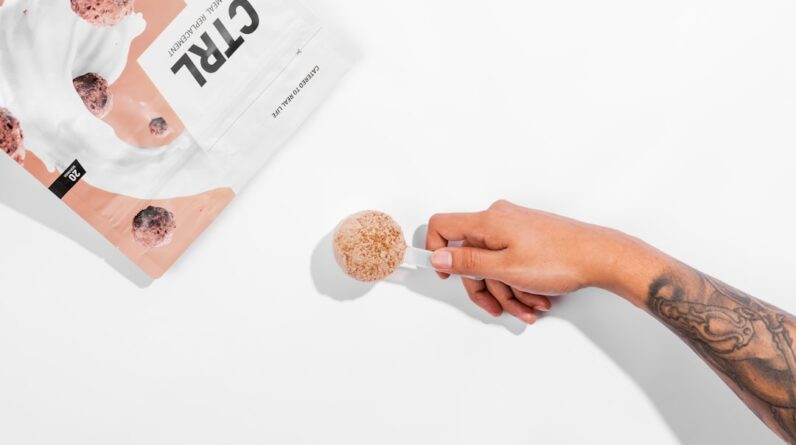
Consuming a meal rich in protein and carbohydrates within 30 minutes after your workout can optimize recovery. A protein shake with a piece of fruit or grilled chicken with sweet potatoes are excellent options that will help replenish glycogen stores while providing the amino acids needed for muscle repair.
Meal Planning and Timing for Optimal Muscle Building and Fat Loss
To achieve optimal results in building muscle and losing fat, meal planning becomes an invaluable tool in your fitness journey. By preparing meals ahead of time, you can ensure that you’re consuming the right balance of macronutrients throughout the day without resorting to unhealthy options when hunger strikes. Consider dedicating a few hours each week to meal prep; this could involve cooking large batches of lean proteins, whole grains, and roasted vegetables that you can easily portion out for lunches or dinners.
Timing your meals strategically can also enhance your results. Eating smaller meals throughout the day may help regulate blood sugar levels and keep energy levels stable. You might find that having five to six smaller meals instead of three large ones helps you stay satisfied while meeting your nutritional needs.
Additionally, aligning your meals with your workout schedule ensures that you’re fueling your body appropriately before exercise and aiding recovery afterward. In conclusion, building muscle while losing fat is not only achievable but also sustainable with the right approach to nutrition and exercise. By focusing on protein-rich foods, complex carbohydrates, healthy fats, nutrient-dense vegetables, proper hydration, strategic meal timing, and effective pre- and post-workout nutrition, you can create a balanced plan that supports both goals simultaneously.
With dedication and consistency, you’ll be well on your way to achieving the physique you’ve always desired while enhancing your overall health and well-being.
If you are looking to burn fat and build muscle, you may want to consider incorporating green tea fat burner pills into your routine. According to Super Fat Burner, green tea has been shown to boost metabolism and aid in fat loss. Additionally, if you are looking for ways to burn fat fast at home or at the gym, be sure to check out their articles on how to burn fat fast at home and how to burn fat at the gym for more tips and tricks.
FAQs
What are some foods that help build muscle?
Some foods that help build muscle include lean proteins such as chicken, turkey, fish, and tofu, as well as complex carbohydrates like brown rice, quinoa, and sweet potatoes. Additionally, foods high in healthy fats like avocados, nuts, and olive oil can also support muscle growth.
What are some foods that help lose fat?
Foods that can help with fat loss include lean proteins such as chicken, turkey, and fish, as well as high-fiber foods like fruits, vegetables, and whole grains. Additionally, foods that are low in added sugars and unhealthy fats can also support fat loss.
Are there any specific nutrients that are important for building muscle and losing fat?
Yes, some important nutrients for building muscle and losing fat include protein, which is essential for muscle growth and repair, as well as fiber, which can help with satiety and weight management. Additionally, healthy fats and complex carbohydrates are important for providing energy and supporting overall health.
How can I incorporate these muscle-building and fat-loss foods into my diet?
You can incorporate these foods into your diet by planning balanced meals that include a combination of lean proteins, complex carbohydrates, healthy fats, and plenty of fruits and vegetables. Meal prepping and cooking at home can also help you control the quality and quantity of these muscle-building and fat-loss foods in your diet.
Are there any specific diets that are effective for building muscle and losing fat?
Some diets that are effective for building muscle and losing fat include the Mediterranean diet, which emphasizes whole foods like fruits, vegetables, whole grains, and lean proteins, as well as the DASH diet, which focuses on reducing sodium intake and increasing nutrient-dense foods. Additionally, the flexible dieting approach can also be effective for balancing muscle-building and fat-loss goals.