When it comes to weight loss, diet pills have become a popular option for many individuals seeking to shed extra pounds. These pills are designed to assist in weight management by either suppressing appetite, increasing metabolism, or blocking fat absorption. You may find yourself drawn to the idea of a quick fix, especially in a world where instant results are often glorified.
However, it’s essential to understand that diet pills are not a magic solution; they are tools that can complement a healthy lifestyle, which includes a balanced diet and regular exercise. The market is flooded with various types of diet pills, each claiming to offer unique benefits. Some may promise rapid weight loss, while others focus on long-term management.
As you navigate through the options, it’s crucial to recognize that not all diet pills are created equal. Their effectiveness can vary significantly based on individual body chemistry, lifestyle choices, and adherence to recommended guidelines. Therefore, before you embark on your weight loss journey with diet pills, take the time to educate yourself about how they work and what you can realistically expect from them.
Key Takeaways
- Diet pills are designed to aid in weight loss by suppressing appetite, increasing metabolism, or blocking fat absorption.
- When choosing a diet pill, consider factors such as ingredients, potential side effects, and the manufacturer’s reputation.
- Some top-rated diet pills for weight loss include those containing ingredients like green tea extract, caffeine, and Garcinia Cambogia.
- Natural and herbal diet pills are derived from plant-based ingredients and are often considered safer than synthetic options.
- Prescription diet pills are only available with a doctor’s prescription and are typically recommended for individuals with a BMI over 30 or those with obesity-related health conditions.
- Over-the-counter diet pills are available without a prescription and may contain milder ingredients, but it’s important to use them with caution.
- Side effects and risks of diet pills can include increased heart rate, high blood pressure, insomnia, and digestive issues.
- To use diet pills safely and effectively, it’s important to follow dosage instructions, stay hydrated, and monitor for any adverse reactions.
Factors to Consider When Choosing a Diet Pill
Choosing the right diet pill can be overwhelming given the plethora of options available. One of the first factors you should consider is your personal health history. If you have pre-existing medical conditions or are taking other medications, it’s vital to consult with a healthcare professional before starting any new supplement.
They can help you identify potential interactions and ensure that the diet pill you choose aligns with your health goals. Another important aspect to consider is the ingredients in the diet pill. You should familiarize yourself with common components such as caffeine, green tea extract, or garcinia cambogia.
Each ingredient has its own set of benefits and potential side effects. For instance, while caffeine may boost metabolism and energy levels, it can also lead to jitteriness or insomnia if consumed in excess. Reading reviews and researching clinical studies can provide insight into how effective a particular pill may be for weight loss and whether it’s suitable for your needs.
Top-Rated Diet Pills for Weight Loss
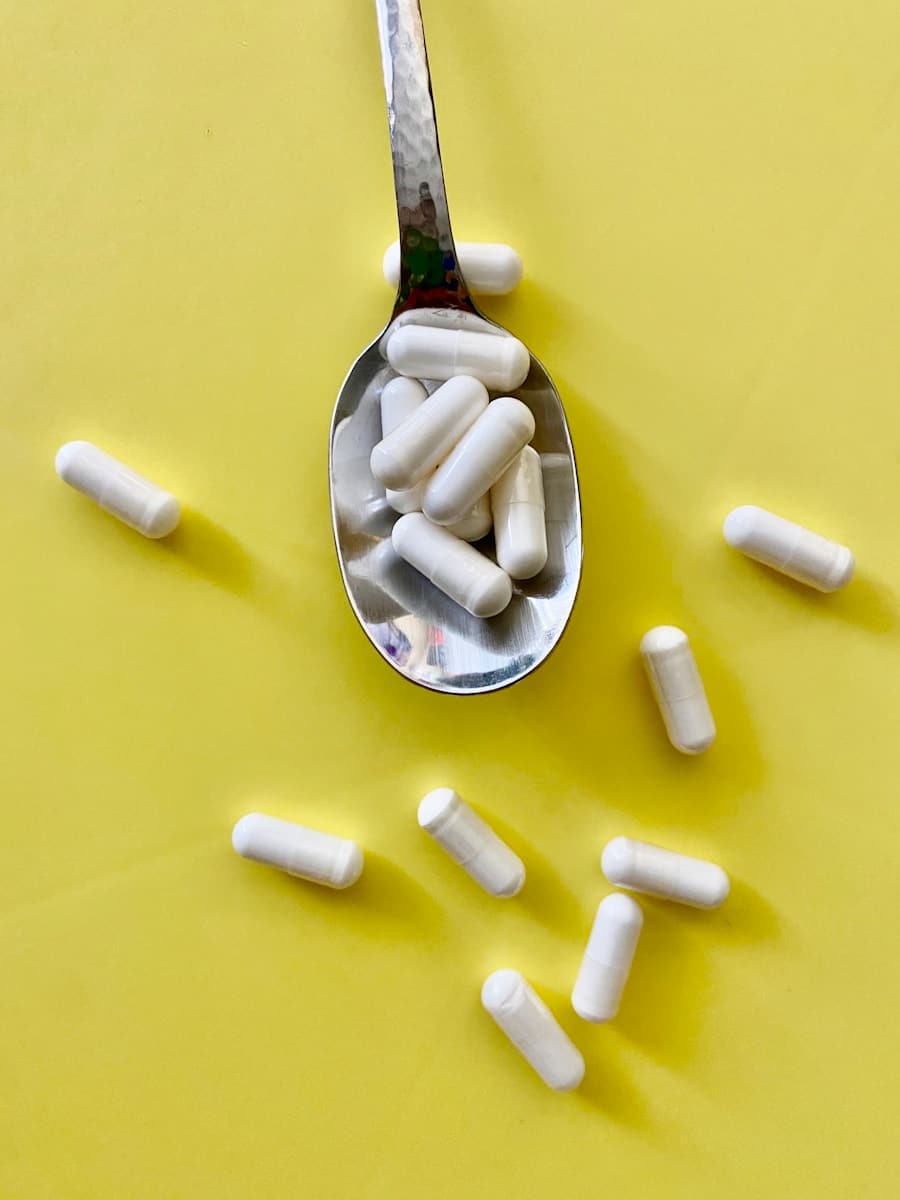
As you explore the landscape of diet pills, you may come across several top-rated options that have garnered positive feedback from users and health professionals alike. One such option is Orlistat, which works by inhibiting fat absorption in the intestines. This prescription medication has been shown to aid in weight loss when combined with a low-calorie diet.
Many users appreciate its effectiveness but also note the importance of adhering to dietary guidelines to maximize results. Another popular choice is Phentermine, a stimulant that suppresses appetite and increases energy levels. Often prescribed for short-term use, Phentermine can be an effective tool for jumpstarting your weight loss journey.
However, it’s essential to be aware of its potential side effects, such as increased heart rate and anxiety. As you consider these options, remember that what works for one person may not work for another; therefore, personal experimentation and professional guidance are key.
Natural and Herbal Diet Pills
If you prefer a more holistic approach to weight loss, natural and herbal diet pills may be appealing to you. These products often contain plant-based ingredients that are believed to promote weight loss without the harsh side effects associated with synthetic options. For example, green tea extract is widely recognized for its metabolism-boosting properties and antioxidant benefits.
Many individuals find that incorporating such natural supplements into their routine can enhance their weight loss efforts while supporting overall health. However, it’s important to approach natural diet pills with caution as well. Just because a product is labeled as “natural” doesn’t mean it’s entirely safe or effective.
Some herbal ingredients can interact with medications or cause adverse reactions in certain individuals. Therefore, conducting thorough research and consulting with a healthcare provider before starting any herbal supplement is crucial for ensuring your safety and well-being.
Prescription Diet Pills
Prescription diet pills are typically recommended for individuals who struggle with obesity or have not achieved significant weight loss through lifestyle changes alone. These medications are prescribed by healthcare professionals who assess your specific needs and health conditions. Common prescription options include medications like Liraglutide and Naltrexone-Bupropion, which work by regulating appetite and cravings.
While prescription diet pills can be effective, they also come with a set of guidelines and potential risks. It’s essential to follow your doctor’s instructions closely and attend regular check-ups to monitor your progress and any side effects. Additionally, these medications are often intended for short-term use; thus, developing sustainable habits alongside their use is vital for long-term success.
Over-the-Counter Diet Pills

Ingredients and Weight Management
Many OTC diet pills contain ingredients such as fiber supplements or appetite suppressants that can aid in weight management when used responsibly. These ingredients can help individuals manage their weight and achieve their fitness goals.
The Risks of Unregulated Products
However, the ease of access to OTC diet pills also comes with risks. The lack of regulation in the supplement industry means that some products may not have undergone rigorous testing for safety or efficacy. This can lead to potential health risks for consumers.
Choosing a Reputable Product
As you consider OTC diet pills, it’s crucial to read labels carefully and choose products from reputable brands that provide transparency about their ingredients and manufacturing processes. This can help ensure that you’re getting a safe and effective product that meets your weight management needs.
Side Effects and Risks of Diet Pills
While diet pills can offer benefits in your weight loss journey, it’s essential to be aware of the potential side effects and risks associated with their use. Common side effects may include gastrointestinal issues, headaches, insomnia, or increased heart rate. These reactions can vary based on individual tolerance levels and the specific ingredients in the pill.
Moreover, some diet pills may pose more serious health risks, particularly if misused or taken without medical supervision. For instance, certain stimulants can lead to cardiovascular problems or dependency issues if used excessively. Therefore, it’s crucial to approach diet pills with caution and prioritize your health above all else.
Tips for Using Diet Pills Safely and Effectively
To maximize the benefits of diet pills while minimizing risks, consider implementing several best practices into your routine. First and foremost, always consult with a healthcare professional before starting any new supplement regimen. They can provide personalized advice based on your health history and goals.
Additionally, consider using diet pills as part of a comprehensive weight loss plan that includes a balanced diet and regular physical activity. Relying solely on pills for weight loss is unlikely to yield sustainable results; instead, view them as a supportive tool in your overall strategy. Finally, monitor your body’s response closely while using diet pills and be prepared to adjust your approach if you experience any adverse effects or if your weight loss plateaus.
In conclusion, navigating the world of diet pills requires careful consideration and informed decision-making. By understanding how these products work, evaluating your options thoughtfully, and prioritizing safety, you can enhance your weight loss journey effectively while maintaining your overall health and well-being.
If you are looking for more information on how to burn fat and lose weight, check out this article on how to burn fat and lose weight. This article provides tips and strategies for effectively shedding pounds and achieving your weight loss goals. Additionally, if you are struggling with binge eating disorder or emotional eating, you may find this article on eating disorders helpful in understanding and managing these issues. And for men specifically looking for fat burners, this article on fat burners for men offers recommendations and insights on products tailored to their needs.
FAQs
What are diet pills for weight loss?
Diet pills for weight loss are medications or supplements that are designed to help individuals lose weight by suppressing appetite, increasing metabolism, or reducing the absorption of fat.
How do diet pills work for weight loss?
Diet pills work in various ways, such as by suppressing appetite, increasing metabolism, or reducing the absorption of fat. Some diet pills may also affect certain hormones or neurotransmitters in the body to promote weight loss.
Are diet pills safe for weight loss?
The safety of diet pills for weight loss can vary depending on the specific ingredients and formulation. It is important to consult with a healthcare professional before taking any diet pills, especially if you have any underlying health conditions or are taking other medications.
What are some common ingredients in diet pills for weight loss?
Common ingredients in diet pills for weight loss include caffeine, green tea extract, garcinia cambogia, and orlistat. It is important to be aware of the potential side effects and interactions of these ingredients before taking any diet pills.
Are there any potential side effects of taking diet pills for weight loss?
Potential side effects of taking diet pills for weight loss may include increased heart rate, high blood pressure, insomnia, digestive issues, and mood changes. It is important to carefully read the label and consult with a healthcare professional before taking any diet pills.
Can diet pills for weight loss be used as a long-term solution?
Diet pills for weight loss are not intended for long-term use and should be used in conjunction with a healthy diet and regular exercise. Long-term use of diet pills can lead to dependency and may not address the underlying causes of weight gain.