In a world where the quest for a healthier lifestyle often intersects with the desire for quick results, weight loss supplements have emerged as a popular solution. You may find yourself drawn to these products, hoping they can provide the extra push needed to achieve your weight loss goals. With countless options available on the market, it can be overwhelming to navigate through the myriad of choices.
Understanding what weight loss supplements are and how they work is essential for making informed decisions that align with your health objectives. Weight loss supplements are designed to assist in shedding pounds by enhancing metabolism, reducing appetite, or increasing fat burning. They come in various forms, including pills, powders, and even teas.
While some individuals may experience significant benefits from these products, others may find them ineffective or even harmful. As you embark on your weight loss journey, it’s crucial to approach these supplements with a critical eye, ensuring that you are well-informed about their potential effects and limitations.
Key Takeaways
- Weight loss supplements are products designed to aid in weight loss by increasing metabolism, reducing appetite, or blocking fat absorption.
- It’s important to understand the ingredients in weight loss supplements and their potential effects on the body before using them.
- Different types of weight loss supplements include thermogenics, appetite suppressants, fat blockers, and meal replacements.
- When choosing a weight loss supplement, consider your individual needs, health conditions, and potential side effects.
- While weight loss supplements can offer benefits such as increased energy and metabolism, they also come with risks and should be used with caution and in conjunction with a healthy diet and exercise routine.
Understanding the Ingredients in Weight Loss Supplements
Natural Ingredients with Fat-Burning Properties
Many supplements contain natural components such as green tea extract, caffeine, and garcinia cambogia, which are often touted for their fat-burning properties. Green tea extract, for instance, is rich in antioxidants and has been linked to increased metabolism and fat oxidation.
Potential Risks and Considerations
However, not all ingredients are created equal. Some supplements may contain synthetic compounds or unregulated substances that could pose health risks. It’s essential to scrutinize labels and research the ingredients thoroughly before incorporating any supplement into your routine.
Making Safe and Effective Choices
You should also consider your personal health history and any potential allergies or sensitivities you may have. By understanding what goes into these products, you can make choices that are not only effective but also safe for your body.
Different Types of Weight Loss Supplements
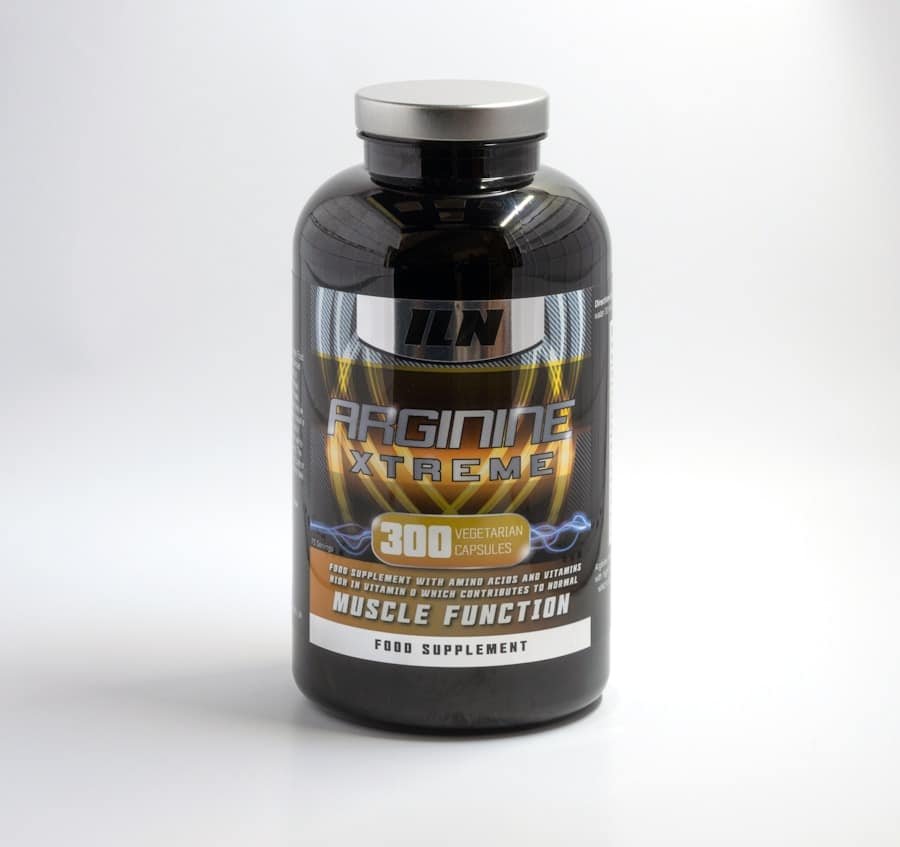
Weight loss supplements can be broadly categorized into several types, each serving a unique purpose in your weight management journey. Fat burners are among the most popular options, designed to increase metabolism and promote fat oxidation. These often contain stimulants like caffeine or synephrine, which can provide an energy boost while aiding in weight loss.
Another category includes appetite suppressants, which work by curbing hunger signals and reducing overall calorie intake. Ingredients like glucomannan and 5-HTP are commonly found in these supplements. Additionally, there are meal replacement shakes that provide a convenient way to control calorie intake while ensuring you receive essential nutrients.
These shakes can be particularly useful for those with busy lifestyles who struggle to maintain a balanced diet.
How to Choose the Right Weight Loss Supplement for You
Selecting the right weight loss supplement requires careful consideration of your individual needs and goals. Start by assessing your current lifestyle and dietary habits. Are you looking for something to boost your energy during workouts, or do you need help managing cravings?
Identifying your primary objective will guide you toward the most suitable type of supplement. Next, consider consulting with a healthcare professional or a registered dietitian before making any decisions. They can provide personalized advice based on your health status and dietary requirements.
Additionally, look for products that have undergone third-party testing for quality and efficacy. Reading reviews and testimonials from other users can also offer valuable insights into how well a supplement may work for you.
The Benefits and Risks of Weight Loss Supplements
While weight loss supplements can offer several benefits, it’s essential to weigh these against potential risks. On the positive side, many individuals report increased energy levels, improved metabolism, and enhanced fat burning when using certain supplements. This can lead to more effective workouts and greater motivation to stick with a weight loss plan.
However, there are risks associated with these products as well. Some individuals may experience side effects such as jitteriness, digestive issues, or insomnia due to stimulants found in many fat burners. Additionally, the long-term effects of many weight loss supplements remain largely unknown, raising concerns about their safety over extended periods of use.
It’s crucial to approach these products with caution and prioritize your overall health above all else.
Incorporating Weight Loss Supplements into Your Diet and Exercise Routine
Integrating weight loss supplements into your daily routine requires a strategic approach to ensure they complement your diet and exercise regimen effectively. Start by establishing a balanced diet rich in whole foods such as fruits, vegetables, lean proteins, and whole grains. Supplements should not replace meals but rather serve as an adjunct to a healthy lifestyle.
When it comes to exercise, timing can play a significant role in maximizing the benefits of weight loss supplements. For instance, taking a fat burner before workouts may enhance your energy levels and improve performance. Conversely, appetite suppressants might be more beneficial when taken before meals to help control portion sizes.
By aligning your supplement intake with your daily activities, you can create a more cohesive approach to achieving your weight loss goals.
Tips for Maximizing the Effectiveness of Weight Loss Supplements
To get the most out of your weight loss supplements, consider implementing a few practical strategies into your routine. First and foremost, consistency is key. Taking your supplements as directed and maintaining a regular schedule will help you gauge their effectiveness over time.
Additionally, tracking your progress through journaling or using apps can provide valuable insights into how well the supplements are working for you. Staying hydrated is another crucial aspect of maximizing the effectiveness of weight loss supplements. Drinking plenty of water not only supports overall health but can also enhance the absorption of certain ingredients in the supplements you take.
Furthermore, combining supplements with regular physical activity will amplify their effects; exercise not only burns calories but also helps build muscle mass, which can further boost metabolism.
The Future of Weight Loss Supplements
As you look ahead in your weight loss journey, it’s essential to remain informed about the evolving landscape of weight loss supplements. The industry is continually advancing with new research and innovations that may lead to more effective and safer products in the future. Staying abreast of these developments will empower you to make choices that align with your health goals.
Ultimately, while weight loss supplements can be beneficial tools in your arsenal for achieving a healthier lifestyle, they should not be viewed as magic solutions. A holistic approach that includes a balanced diet, regular exercise, and mindful habits will always be the foundation of successful weight management. By combining knowledge with action, you can navigate the world of weight loss supplements effectively and sustainably on your path toward better health.
If you are looking to lose weight, incorporating effective workouts into your routine is essential. According to Super Fat Burner, certain exercises can help you burn fat quickly and efficiently. Additionally, following a healthy diet like the DASH diet can also aid in weight loss. The DASH diet focuses on consuming fruits, vegetables, whole grains, and lean proteins while limiting sodium intake. However, it’s important to be mindful of any physical limitations, such as lower back pain, that may impact your ability to exercise. Check out Super Fat Burner’s article on managing lower back pain while working towards your weight loss goals.
FAQs
What are weight loss supplements?
Weight loss supplements are products designed to aid in weight loss by increasing metabolism, reducing appetite, or blocking the absorption of fat.
How do weight loss supplements work?
Weight loss supplements work in various ways, such as increasing metabolism, suppressing appetite, or interfering with the body’s ability to absorb specific nutrients.
Are weight loss supplements safe?
The safety of weight loss supplements varies depending on the ingredients and the individual’s health. It’s important to consult with a healthcare professional before taking any weight loss supplements, especially if you have underlying health conditions or are taking other medications.
What are some common ingredients in weight loss supplements?
Common ingredients in weight loss supplements include caffeine, green tea extract, garcinia cambogia, and conjugated linoleic acid (CLA).
Do weight loss supplements guarantee weight loss?
Weight loss supplements are not a guaranteed solution for weight loss. They should be used in conjunction with a healthy diet and regular exercise for best results.
Are there any side effects of weight loss supplements?
Some weight loss supplements may cause side effects such as increased heart rate, digestive issues, or insomnia. It’s important to carefully read the labels and consult with a healthcare professional before taking any weight loss supplements.