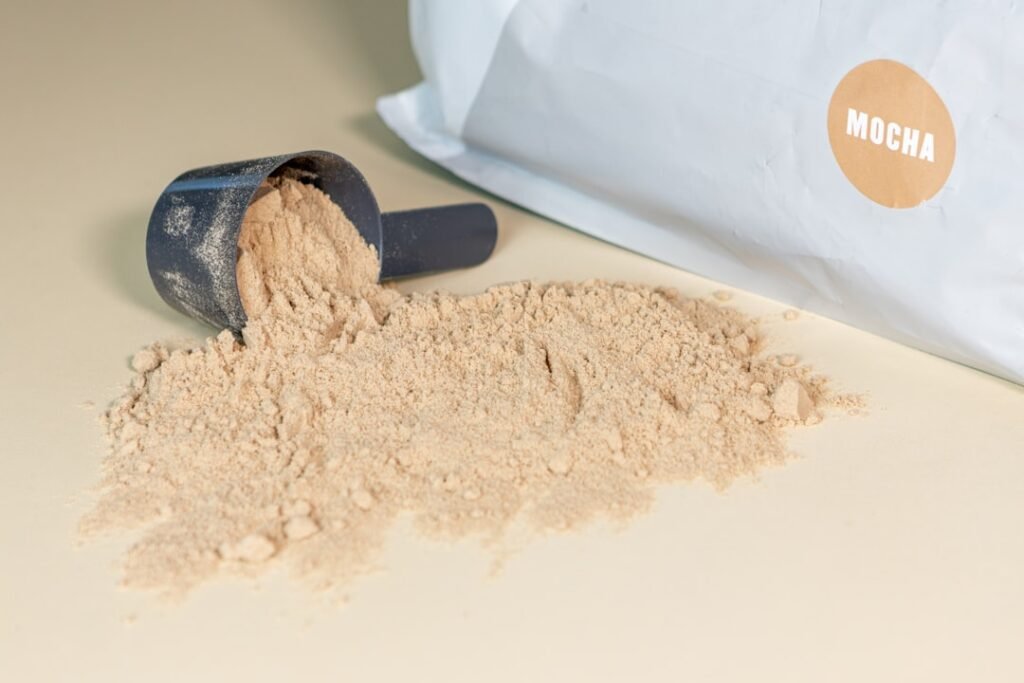
When embarking on a fat loss journey, you may find yourself inundated with various dietary options and supplements. Among these, protein powder has emerged as a popular choice for those looking to shed pounds while maintaining muscle mass. Understanding the role of protein powder in your diet is crucial.
Protein is an essential macronutrient that plays a significant role in muscle repair, growth, and overall metabolic function. When you consume protein, it helps to increase satiety, which can lead to reduced calorie intake throughout the day. This is particularly beneficial when you are trying to create a calorie deficit for fat loss.
Moreover, protein has a higher thermic effect compared to fats and carbohydrates, meaning your body burns more calories digesting and metabolizing protein. This can be advantageous when you are aiming to lose fat while preserving lean muscle mass. By incorporating protein powder into your diet, you can easily increase your protein intake without significantly increasing your caloric consumption.
This makes it a convenient option for busy individuals who may struggle to meet their protein needs through whole foods alone. Understanding these fundamentals will help you appreciate how protein powder can be a valuable tool in your fat loss arsenal.
Key Takeaways
- Protein powder can aid in fat loss by increasing satiety, preserving lean muscle mass, and boosting metabolism.
- Whey protein is a fast-digesting protein that is ideal for post-workout consumption to support fat loss.
- Casein protein is a slow-digesting protein that can help control appetite and promote fat loss when consumed before bed.
- Plant-based protein powders, such as pea or hemp protein, are suitable options for those following a vegan or vegetarian diet for fat loss.
- When choosing the best protein powder for fat loss, consider factors such as protein content, added ingredients, and personal dietary preferences.
- Incorporate protein powder into your fat loss plan by using it as a meal replacement, post-workout shake, or ingredient in healthy recipes.
- To maximize fat loss with protein powder, aim to consume it at regular intervals throughout the day, prioritize whole food sources of protein, and stay consistent with your fat loss plan.
Types of Protein Powder for Fat Loss
As you delve deeper into the world of protein powders, you’ll discover that not all protein powders are created equal. There are several types available, each with its unique benefits and characteristics. The most common types include whey, casein, soy, pea, and hemp protein.
Each of these options caters to different dietary preferences and needs, making it essential for you to choose one that aligns with your goals and lifestyle. Whey protein is perhaps the most popular choice among fitness enthusiasts due to its high biological value and rapid absorption rate. It is derived from milk and is rich in essential amino acids, making it an excellent option for muscle recovery and growth.
On the other hand, casein protein is also milk-derived but digests more slowly, providing a steady release of amino acids over time. This can be particularly beneficial if you’re looking for sustained satiety or if you plan to use it as a meal replacement. For those who prefer plant-based options, soy protein is a complete protein source that contains all essential amino acids, making it a great alternative for vegetarians and vegans.
Pea protein is another popular plant-based choice that is easily digestible and hypoallergenic, making it suitable for individuals with lactose intolerance or allergies. Lastly, hemp protein offers additional benefits such as omega-3 fatty acids and fiber, which can further support your fat loss efforts. Understanding these different types will empower you to make an informed decision about which protein powder best suits your needs.
Whey Protein for Fat Loss

Whey protein stands out as one of the most researched and widely used protein supplements in the fitness community. Its rapid absorption rate makes it an ideal post-workout option, allowing your muscles to recover quickly after intense exercise. When you consume whey protein after a workout, it provides your body with the necessary amino acids to repair muscle tissue and promote growth.
This is particularly important when you’re in a calorie deficit, as maintaining muscle mass is crucial for sustaining metabolic rate and overall health. In addition to its muscle-building benefits, whey protein can also aid in fat loss by promoting feelings of fullness. Studies have shown that whey protein can increase levels of hormones that signal satiety, helping you feel satisfied after meals and reducing the likelihood of overeating.
Incorporating whey protein into your diet can be as simple as mixing it into smoothies, oatmeal, or even baked goods. The versatility of whey makes it easy to add to your daily routine without feeling like you’re sacrificing flavor or enjoyment.
Casein Protein for Fat Loss
While whey protein is known for its quick absorption, casein protein offers a different set of advantages that can be beneficial for fat loss. Casein digests slowly, providing a gradual release of amino acids into your bloodstream over several hours. This slow digestion can help keep you feeling full longer, making it an excellent option for those who struggle with late-night snacking or cravings between meals.
By incorporating casein into your evening routine—perhaps in the form of a shake or pudding—you can help curb hunger and support your fat loss goals. Another advantage of casein protein is its potential impact on muscle preservation during weight loss. When you’re in a calorie deficit, your body may break down muscle tissue for energy if it doesn’t receive enough protein.
Casein’s slow-release properties can help mitigate this effect by providing a steady supply of amino acids throughout the night when your body is in a fasting state. This makes casein an excellent choice for those looking to maintain muscle mass while losing fat.
Plant-Based Protein for Fat Loss
If you follow a vegetarian or vegan lifestyle, plant-based protein powders can be an excellent alternative to traditional dairy-based options. Soy protein is one of the most popular plant-based choices due to its complete amino acid profile, making it comparable to animal proteins in terms of quality. It has been shown to support muscle growth and recovery while also promoting satiety, which can aid in fat loss efforts.
Pea protein is another fantastic option that has gained popularity in recent years. It is easily digestible and hypoallergenic, making it suitable for individuals with dietary restrictions or sensitivities. Pea protein is rich in branched-chain amino acids (BCAAs), which are essential for muscle recovery and growth.
Additionally, its high fiber content can help keep you feeling full longer, further supporting your fat loss journey. Hemp protein is another plant-based option worth considering. While it may not be a complete protein source on its own, it offers additional health benefits such as omega-3 fatty acids and fiber.
These nutrients can contribute to overall health while also supporting weight management by promoting feelings of fullness and aiding digestion.
How to Choose the Best Protein Powder for Fat Loss

Selecting the right protein powder for your fat loss journey involves considering several factors that align with your personal preferences and dietary needs. First and foremost, think about your dietary restrictions or preferences—whether you’re lactose intolerant, vegan, or simply prefer plant-based options will significantly influence your choice of protein powder. Understanding what works best for your body will help you make an informed decision.
Next, pay attention to the ingredient list and nutritional profile of the protein powder you’re considering. Look for products with minimal additives and fillers; ideally, you want a powder that contains high-quality protein without unnecessary sugars or artificial ingredients. Additionally, consider the protein-to-calorie ratio; a higher protein content per serving will help you meet your goals without consuming excessive calories.
Lastly, consider taste and mixability. You want a product that not only meets your nutritional needs but also tastes good and blends well with your favorite foods or beverages. Many brands offer sample sizes or single-serving packets that allow you to try before committing to a larger container.
Incorporating Protein Powder into Your Fat Loss Plan
Once you’ve chosen the right protein powder for your needs, it’s time to incorporate it into your daily routine effectively. One of the simplest ways to do this is by using it as a post-workout shake. After exercising, your muscles are primed for recovery, making this an ideal time to consume protein powder mixed with water or milk alternatives.
You can also add fruits or vegetables to create a nutrient-dense smoothie that supports both recovery and fat loss. Another effective way to incorporate protein powder is by adding it to meals or snacks throughout the day. For instance, you can mix it into oatmeal or yogurt for breakfast or use it as an ingredient in baking recipes like muffins or pancakes.
This not only boosts the protein content of your meals but also enhances their overall nutritional value. Additionally, consider using protein powder as a meal replacement when you’re short on time or need something quick and convenient. While it’s essential not to rely solely on supplements for nutrition, having a high-protein shake on hand can help you stay on track with your calorie goals while ensuring you’re getting adequate nutrients.
Tips for Maximizing Fat Loss with Protein Powder
To truly maximize the benefits of protein powder in your fat loss journey, consider implementing some additional strategies alongside its use. First and foremost, focus on maintaining a balanced diet rich in whole foods such as fruits, vegetables, whole grains, lean proteins, and healthy fats. While protein powder can supplement your intake, it should not replace whole food sources entirely.
Incorporating regular physical activity into your routine is equally important. Aim for a combination of strength training and cardiovascular exercise to support muscle maintenance while promoting fat loss. Consistency is key; find activities you enjoy so that staying active becomes a sustainable part of your lifestyle.
Lastly, pay attention to portion sizes and overall caloric intake. While protein powder can aid in satiety and muscle preservation, it’s still essential to create a calorie deficit if fat loss is your goal. Tracking your food intake using apps or journals can help you stay accountable and ensure you’re making progress toward your objectives.
By understanding how to effectively use protein powder within the context of a balanced diet and active lifestyle, you’ll be well-equipped to achieve your fat loss goals while enjoying the benefits of increased protein intake.
If you are looking for ways to burn fat super fast, you may want to check out this article on how to burn fat super fast. In addition to incorporating the best protein powder for fat loss into your diet, this article provides tips and strategies to help you achieve your weight loss goals quickly and effectively. Another helpful resource to consider is this review of burn fat supplements that can aid in boosting your metabolism and promoting fat loss. Additionally, learning about what helps burn body fat fast can provide valuable insights into the most effective methods for shedding excess weight and achieving a leaner physique.
FAQs
What is protein powder?
Protein powder is a dietary supplement that is typically made from whey, casein, soy, or egg proteins. It is used to increase protein intake and support muscle growth and repair.
How does protein powder help with fat loss?
Protein powder can help with fat loss by increasing feelings of fullness, boosting metabolism, and preserving lean muscle mass during weight loss.
What should I look for in a protein powder for fat loss?
When choosing a protein powder for fat loss, look for one with a high protein content, low sugar and carbohydrate content, and minimal added ingredients.
Is whey protein the best option for fat loss?
Whey protein is often considered one of the best options for fat loss due to its high protein content and ability to promote satiety and muscle protein synthesis.
How should I use protein powder for fat loss?
Protein powder can be used as a meal replacement or snack to help control hunger and reduce overall calorie intake. It can also be consumed post-workout to support muscle recovery and growth.
Are there any potential side effects of using protein powder for fat loss?
Some potential side effects of using protein powder include digestive issues, allergic reactions, and kidney damage if consumed in excessive amounts. It is important to use protein powder as directed and consult with a healthcare professional if you have any concerns.