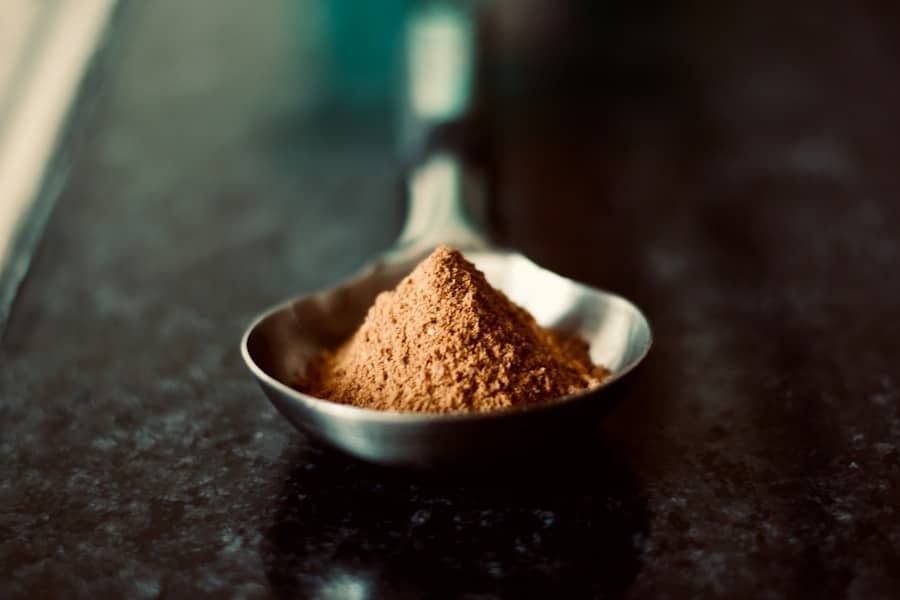
When embarking on a weight loss journey, you may find yourself inundated with various diets, exercise regimens, and nutritional advice. Among the myriad of factors that contribute to effective weight management, protein stands out as a crucial component. Protein plays a vital role in your body, not only as a building block for muscles but also in regulating hunger and metabolism.
By incorporating adequate protein into your diet, you can enhance your weight loss efforts significantly. One of the primary reasons protein is essential for weight loss is its ability to promote satiety. When you consume protein-rich foods, you may feel fuller for longer periods, which can help curb unnecessary snacking and overeating.
Additionally, protein has a higher thermic effect compared to fats and carbohydrates, meaning your body burns more calories digesting and metabolizing protein. This dual action of reducing hunger while increasing calorie expenditure makes protein an invaluable ally in your quest for weight loss.
Key Takeaways
- Protein helps in weight loss by increasing metabolism, reducing appetite, and preserving muscle mass.
- Types of protein powders for weight loss include whey, plant-based, and casein.
- Whey protein is the most popular choice for weight loss due to its high protein content and fast absorption.
- Plant-based protein powders are a vegan-friendly option for weight loss and are rich in essential nutrients.
- Casein protein is a slow-release option for weight loss, providing a steady supply of amino acids to the body.
- Choose the right protein powder based on your weight loss goals, dietary preferences, and any allergies or sensitivities.
- Incorporate protein powder into your weight loss plan by adding it to smoothies, oatmeal, or yogurt for a quick and convenient protein boost.
- Potential side effects and precautions when using protein powder for weight loss include digestive issues, allergic reactions, and the need to monitor protein intake from other sources.
Types of Protein Powders for Weight Loss
Popular Types of Protein Powders
The most common types of protein powders include whey, casein, soy, pea, and hemp protein. Each type offers distinct advantages depending on your dietary preferences and lifestyle.
Whey and Casein Protein: Milk-Derived Options
Whey protein is perhaps the most well-known and widely used protein supplement. Derived from milk, it is quickly absorbed by the body, making it an excellent option for post-workout recovery. On the other hand, casein protein is also milk-derived but digests more slowly, providing a steady release of amino acids over time.
Plant-Based Protein Options
For those following a plant-based diet, options like soy, pea, and hemp protein are available. These plant-based proteins not only cater to vegans but also offer additional nutrients and fiber that can support overall health while aiding in weight loss.
Whey Protein: The Most Popular Choice for Weight Loss
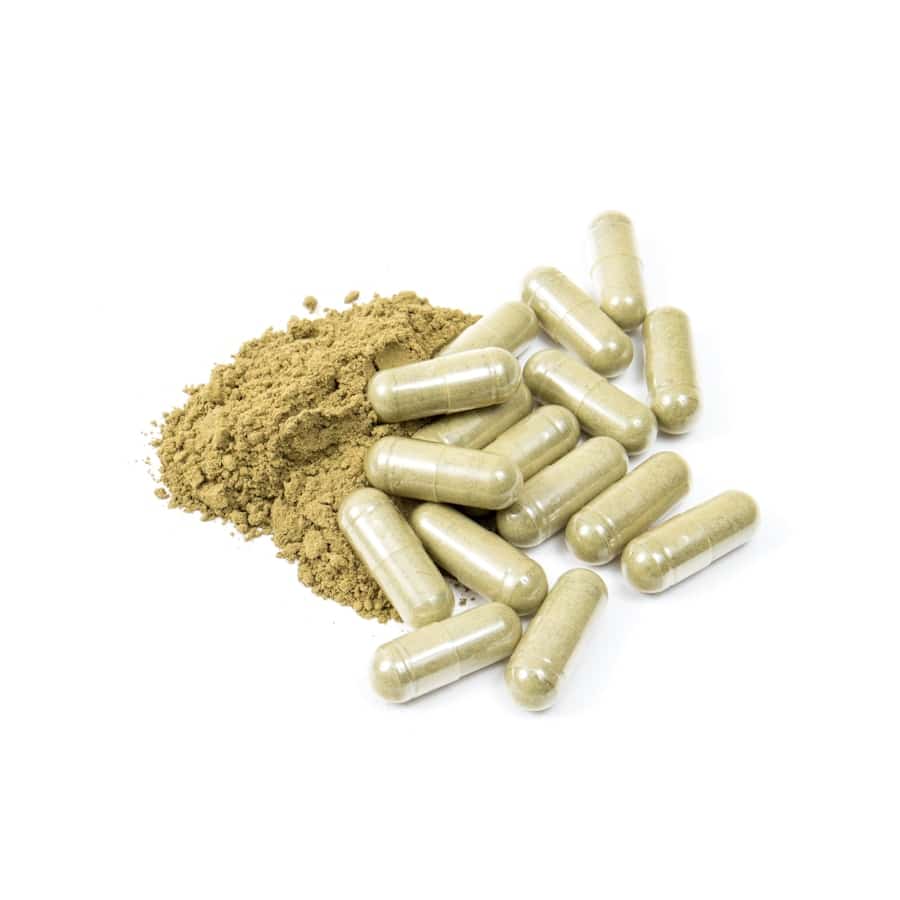
Whey protein has gained immense popularity among fitness enthusiasts and those looking to shed pounds. Its rapid absorption rate makes it an ideal choice for post-exercise recovery, allowing your muscles to repair and grow efficiently. When you consume whey protein after a workout, you may experience reduced muscle soreness and improved recovery times, enabling you to maintain a consistent exercise routine—an essential factor in any weight loss plan.
Moreover, whey protein is rich in essential amino acids, particularly leucine, which plays a critical role in muscle synthesis. By promoting muscle growth and maintenance, whey protein can help you preserve lean muscle mass while losing fat. This is particularly important because maintaining muscle mass can boost your metabolism, allowing you to burn more calories even at rest.
With its numerous benefits, it’s no wonder that whey protein remains a top choice for those aiming to lose weight effectively.
Plant-Based Protein Powders: A Vegan-Friendly Option for Weight Loss
If you follow a vegan lifestyle or have lactose intolerance, plant-based protein powders can be an excellent alternative to whey. These powders are derived from various sources such as peas, brown rice, hemp, and soy. Each type of plant-based protein offers unique benefits that can support your weight loss journey while catering to your dietary needs.
Pea protein, for instance, is a popular choice due to its high digestibility and rich amino acid profile. It contains essential amino acids that can help support muscle growth and repair while being low in calories. Hemp protein is another great option as it not only provides protein but also contains healthy fats and fiber that can aid digestion and promote satiety.
By incorporating plant-based protein powders into your diet, you can enjoy the benefits of protein without compromising your dietary principles.
Casein Protein: A Slow-Release Option for Weight Loss
Casein protein is often overshadowed by its faster-digesting counterpart, whey protein. However, it offers unique advantages that can be particularly beneficial for weight loss. Casein digests slowly, providing a gradual release of amino acids into your bloodstream over several hours.
This slow release can help keep you feeling full longer, making it an excellent option for those who struggle with late-night snacking or cravings. Incorporating casein protein into your diet can also be advantageous if you’re looking to maintain muscle mass while losing weight. By providing a steady supply of amino acids throughout the night or between meals, casein can help prevent muscle breakdown during periods of caloric deficit.
This makes it an ideal choice for those who want to support their weight loss efforts without sacrificing their hard-earned muscle.
Choosing the Right Protein Powder for Your Weight Loss Goals

Consider Your Dietary Needs
With so many options available, choosing the right protein powder for your weight loss goals can be overwhelming. To make an informed decision, consider factors such as dietary restrictions, taste preferences, and specific fitness objectives.
Choose the Right Type of Protein
If you’re looking for a quick post-workout boost, whey protein may be your best bet due to its rapid absorption rate. Conversely, if you’re seeking a meal replacement or a nighttime snack that keeps you satiated, casein might be more suitable. For those following a plant-based diet or with lactose intolerance, exploring options like pea or hemp protein can provide the necessary nutrients without compromising your values or health.
Think About Flavor and Texture
Additionally, consider the flavor and texture of the protein powder; some may prefer a smooth shake while others might enjoy adding it to smoothies or baked goods.
Find the Right Fit for Your Lifestyle
Ultimately, the right choice will align with your lifestyle and preferences while supporting your weight loss journey.
How to Incorporate Protein Powder into Your Weight Loss Plan
Integrating protein powder into your daily routine doesn’t have to be complicated or monotonous. There are countless ways to enjoy this versatile supplement while keeping your meals exciting and nutritious. One popular method is to blend protein powder into smoothies or shakes.
By combining it with fruits, vegetables, and healthy fats like nut butter or avocado, you can create a delicious meal replacement that fuels your body and satisfies your taste buds. Another creative way to incorporate protein powder is by adding it to baked goods such as pancakes, muffins, or energy bars. This not only boosts the protein content of your favorite recipes but also enhances their nutritional value without sacrificing flavor.
You might also consider mixing protein powder into oatmeal or yogurt for a quick breakfast or snack option that keeps you full throughout the day.
Potential Side Effects and Precautions When Using Protein Powder for Weight Loss
While protein powder can be an effective tool in your weight loss arsenal, it’s essential to be aware of potential side effects and precautions associated with its use. Some individuals may experience digestive discomfort when consuming certain types of protein powders, particularly those derived from dairy like whey or casein. Symptoms such as bloating, gas, or diarrhea may occur if you’re lactose intolerant or sensitive to dairy products.
Additionally, it’s crucial to monitor your overall protein intake when using supplements. While protein is essential for weight loss and muscle maintenance, excessive consumption can lead to unwanted side effects such as kidney strain or dehydration. It’s advisable to consult with a healthcare professional or registered dietitian before significantly increasing your protein intake or incorporating supplements into your diet.
By being mindful of these factors, you can safely enjoy the benefits of protein powder while working towards your weight loss goals.
If you are looking for more information on burning fat and building muscle, check out this article on the best way to burn fat and build muscle. This article provides valuable tips and strategies for achieving your fitness goals through a combination of diet and exercise. It complements the information provided in the article about the best protein powder for weight loss, offering a comprehensive approach to achieving a healthy and fit body.
FAQs
What is protein powder?
Protein powder is a dietary supplement that is typically made from whey, casein, soy, or pea protein. It is used to increase protein intake and can be mixed with water, milk, or added to smoothies and recipes.
How does protein powder help with weight loss?
Protein powder can help with weight loss by increasing feelings of fullness, reducing appetite, and helping to maintain muscle mass while losing fat. It can also support a healthy metabolism and aid in the recovery and repair of muscles after exercise.
What should I look for in a protein powder for weight loss?
When choosing a protein powder for weight loss, look for one with a high protein content, low sugar and carbohydrate content, and minimal added ingredients. It’s also important to consider the taste and mixability of the powder to ensure it fits into your diet and lifestyle.
How should I use protein powder for weight loss?
Protein powder can be used as a meal replacement or a snack to help control hunger and reduce overall calorie intake. It can also be consumed before or after exercise to support muscle recovery and growth. It’s important to incorporate protein powder into a balanced diet and exercise routine for best results.
Are there any potential side effects of using protein powder for weight loss?
When used as directed, protein powder is generally safe for most people. However, consuming excessive amounts of protein powder can lead to digestive issues, kidney problems, and an increased risk of nutrient deficiencies. It’s important to use protein powder as part of a well-rounded diet and to stay hydrated when increasing protein intake.