
When it comes to fat loss, understanding the science behind cardio and strength training is crucial. Both forms of exercise play distinct yet complementary roles in your fitness journey. Cardio, or aerobic exercise, primarily focuses on elevating your heart rate and improving cardiovascular health.
It helps you burn calories during the activity and can create a calorie deficit, which is essential for fat loss. On the other hand, strength training, or resistance training, builds muscle mass and increases your resting metabolic rate. This means that even when you’re not exercising, your body continues to burn more calories due to the muscle you’ve developed.
The interplay between these two forms of exercise is what makes them so effective for fat loss. When you engage in cardio, you are burning calories in the moment, while strength training contributes to long-term fat loss by enhancing your metabolism. This dual approach not only helps you shed unwanted fat but also improves your overall body composition.
By incorporating both cardio and strength training into your routine, you can maximize your fat loss potential and achieve a healthier, more toned physique.
Key Takeaways
- Cardio and strength training both play a crucial role in fat loss by increasing metabolism and promoting calorie burn.
- Cardio exercises help in burning calories and improving cardiovascular health, making it an essential component of a fat loss regimen.
- Strength training is beneficial for fat loss as it helps in building lean muscle mass, which in turn boosts metabolism and increases calorie burn.
- Combining cardio and strength training is important for optimal fat loss as it maximizes calorie burn and promotes overall fitness and health.
- Cardio and strength training affect metabolism and fat burning by increasing the body’s ability to burn calories both during and after exercise, leading to greater fat loss.
Understanding the Role of Cardio in Fat Loss
Cardio exercises are often the first thing that comes to mind when you think about losing weight. Activities like running, cycling, swimming, or even brisk walking elevate your heart rate and increase calorie expenditure. The primary mechanism through which cardio aids in fat loss is by creating a calorie deficit.
When you burn more calories than you consume, your body starts to utilize stored fat for energy, leading to weight loss over time. This is why many people turn to cardio as a go-to method for shedding pounds. However, it’s important to recognize that not all cardio is created equal.
The intensity and duration of your cardio sessions can significantly impact the number of calories you burn. High-Intensity Interval Training (HIIT), for example, alternates between short bursts of intense activity and periods of rest or lower intensity. This method not only burns a significant number of calories during the workout but also elevates your metabolism post-exercise, allowing you to continue burning calories long after you’ve finished.
By understanding how different types of cardio affect your body, you can tailor your workouts to maximize fat loss.
The Benefits of Strength Training for Fat Loss
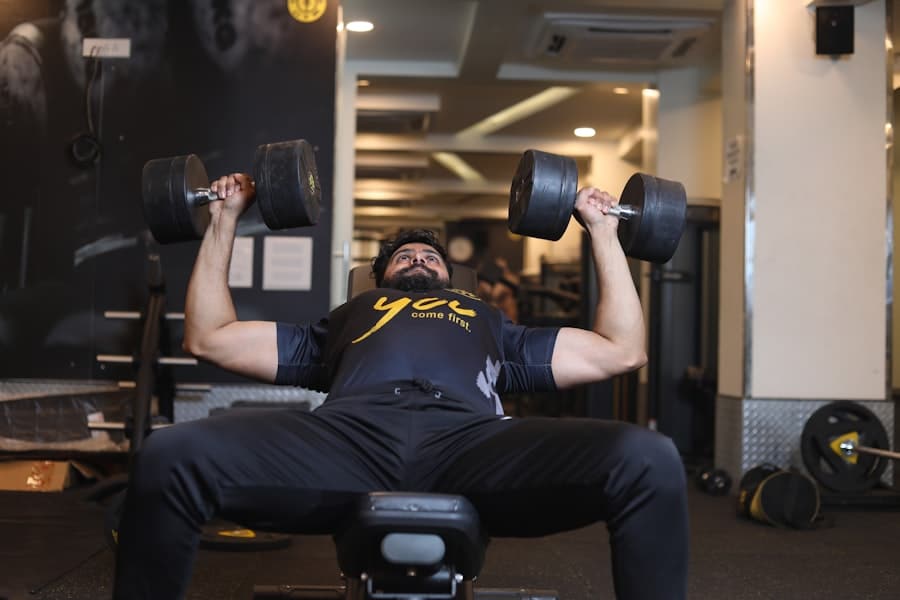
While cardio is essential for burning calories, strength training offers unique benefits that are equally important for fat loss. One of the most significant advantages of strength training is its ability to build lean muscle mass. Muscle tissue is metabolically active, meaning it requires more energy to maintain than fat tissue does.
As you increase your muscle mass through resistance training, your resting metabolic rate rises, allowing you to burn more calories even when you’re at rest. Moreover, strength training can help improve your body composition by reducing body fat percentage while increasing muscle definition. This not only enhances your physical appearance but also contributes to better overall health.
Increased muscle strength can lead to improved performance in daily activities and other forms of exercise, making it easier for you to stay active and engaged in your fitness journey. Additionally, strength training has been shown to have positive effects on mental health, boosting confidence and reducing symptoms of anxiety and depression.
The Importance of Combining Cardio and Strength Training for Optimal Fat Loss
To achieve optimal fat loss results, combining cardio and strength training is essential. Each type of exercise brings its own set of benefits that work synergistically to enhance your overall fitness and fat loss efforts. While cardio helps you burn calories during the workout, strength training builds muscle that continues to burn calories long after you’ve finished exercising.
This combination creates a powerful effect that can accelerate your progress toward your fat loss goals. Incorporating both forms of exercise into your routine also helps prevent plateaus. If you rely solely on one type of workout, your body may adapt over time, leading to diminished returns on your efforts.
By mixing cardio and strength training, you keep your body challenged and engaged, which can lead to continuous improvements in both fat loss and overall fitness levels. Furthermore, this balanced approach can help reduce the risk of injury by promoting overall body strength and stability.
How Cardio and Strength Training Affect Metabolism and Fat Burning
Understanding how cardio and strength training affect metabolism is key to maximizing fat loss results. Cardio workouts primarily increase calorie expenditure during the activity itself. However, they also have a post-exercise effect known as Excess Post-Exercise Oxygen Consumption (EPOC), which refers to the increased rate of oxygen intake following strenuous activity.
This means that after an intense cardio session, your body continues to burn calories as it works to restore itself to its pre-exercise state. Strength training has a more profound impact on metabolism in the long term. As you build muscle through resistance exercises, your resting metabolic rate increases due to the higher energy demands of muscle tissue compared to fat tissue.
This means that even when you’re not actively exercising, you’re still burning more calories throughout the day. Additionally, strength training can lead to hormonal changes that promote fat oxidation and improve insulin sensitivity, further enhancing your body’s ability to burn fat.
The Best Cardio and Strength Training Exercises for Fat Loss

When it comes to selecting the best exercises for fat loss, both cardio and strength training offer a variety of options that can be tailored to your preferences and fitness level. For cardio, consider activities like running, cycling, swimming, or group fitness classes such as Zumba or kickboxing. High-Intensity Interval Training (HIIT) is particularly effective for fat loss due to its ability to maximize calorie burn in a shorter amount of time.
For strength training, focus on compound movements that engage multiple muscle groups simultaneously. Exercises like squats, deadlifts, bench presses, and rows are excellent choices as they not only build muscle but also elevate your heart rate during the workout. Incorporating bodyweight exercises such as push-ups, lunges, and planks can also be effective for building strength without the need for equipment.
By mixing different types of exercises into your routine, you can keep things fresh and exciting while maximizing fat loss.
How to Create a Balanced Cardio and Strength Training Workout Plan for Fat Loss
Creating a balanced workout plan that incorporates both cardio and strength training is essential for effective fat loss. Start by determining how many days per week you can realistically commit to exercising. A common recommendation is to aim for at least three days of strength training combined with two to three days of cardio each week.
This allows you to reap the benefits of both types of exercise without overwhelming yourself. When designing your workout plan, consider alternating between cardio and strength training days or incorporating both into the same session. For example, you might start with a 20-minute HIIT workout followed by 30 minutes of strength training focused on major muscle groups.
Be sure to include rest days in your schedule as well; recovery is crucial for muscle repair and growth. By following a structured plan that balances both cardio and strength training, you’ll be well on your way to achieving your fat loss goals.
Tips for Maximizing Fat Loss Results with Cardio and Strength Training
To maximize your fat loss results through cardio and strength training, consider implementing a few key strategies into your routine. First, focus on intensity rather than duration; shorter but more intense workouts can be more effective for burning calories than longer sessions at a lower intensity. Incorporating interval training into both your cardio and strength workouts can help elevate your heart rate and boost calorie burn.
Additionally, pay attention to your nutrition; fueling your body with the right nutrients is essential for supporting your workouts and recovery. Aim for a balanced diet rich in whole foods such as lean proteins, healthy fats, fruits, and vegetables while being mindful of portion sizes. Staying hydrated is equally important; drinking enough water can help optimize performance during workouts and support overall health.
Lastly, track your progress regularly to stay motivated and make necessary adjustments to your routine as needed. Whether it’s through journaling or using fitness apps, monitoring changes in weight, measurements, or performance can provide valuable insights into what works best for you. By combining these tips with a consistent approach to cardio and strength training, you’ll be well-equipped to achieve lasting fat loss results.
If you are looking to maximize fat loss while maintaining muscle mass, it is important to find the right balance between cardio and strength training. According to a recent article on how to burn fat not muscle on a treadmill, incorporating high-intensity interval training (HIIT) into your cardio routine can help you burn more fat while preserving muscle. Additionally, taking fat-burning supplements, as discussed in another article on fat burning supplements in Canada, can also aid in your weight loss journey. It is essential to find a balanced approach that works best for your body and fitness goals.
FAQs
What is the difference between cardio and strength training for fat loss?
Cardio exercises primarily focus on increasing heart rate and burning calories, while strength training focuses on building muscle mass and increasing metabolism. Both can contribute to fat loss, but they have different effects on the body.
Which is more effective for fat loss: cardio or strength training?
Both cardio and strength training can be effective for fat loss. Cardio exercises are great for burning calories during the workout, while strength training can help increase muscle mass and metabolism, leading to long-term fat loss.
Can I do both cardio and strength training for fat loss?
Yes, combining both cardio and strength training can be an effective approach for fat loss. This combination can help burn calories during the workout and increase metabolism for long-term fat loss.
How often should I do cardio and strength training for fat loss?
The American College of Sports Medicine recommends at least 150 minutes of moderate-intensity cardio exercise per week, along with two or more days of strength training. It’s important to find a balance that works for your schedule and fitness level.
Are there any specific types of cardio or strength training that are best for fat loss?
High-intensity interval training (HIIT) has been shown to be effective for fat loss, as it combines short bursts of intense exercise with periods of rest. For strength training, compound exercises that work multiple muscle groups at once, such as squats and deadlifts, can be particularly effective for fat loss.