

Colorectal Cancer: The Roadmap to Early Detection and Prevention
Colorectal cancer is a concerning health issue that affects the colon and rectum, but with timely detection and proactive measures, it can be effectively managed.
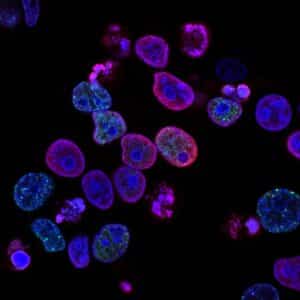
Let’s explore key points about colorectal cancer in a clear and informative manner to help you understand its risks, symptoms, and preventive strategies:
1. What is Colorectal Cancer?
– Colorectal cancer is a type of cancer that starts in the colon or rectum, the lower part of the digestive system.
2. Common Risk Factors:
– Age: The risk of colorectal cancer increases with age, especially after 50.
– Family History: A family history of colorectal cancer or certain genetic conditions can elevate the risk.
– Personal History: A history of polyps or inflammatory bowel disease (IBD) may increase the risk.
3. Recognizing Colorectal Cancer Symptoms:
– Changes in Bowel Habits: Persistent diarrhea, constipation, or changes in stool consistency.
– Blood in the Stool: Bright red or dark-colored blood in the stool.
– Abdominal Discomfort: Cramps, gas, or bloating that doesn’t resolve with time.
4. Regular Colorectal Cancer Screening:
– Colonoscopy: Recommended every 10 years starting at age 50 (or earlier if high-risk).
– Fecal Occult Blood Test (FOBT): An annual stool test to detect blood in the stool.
– Flexible Sigmoidoscopy: Every five years along with FOBT.
5. Lifestyle Factors for Prevention:
– Balanced Diet: Incorporate fiber-rich foods, fruits, vegetables, and whole grains.
– Physical Activity: Engage in regular exercise to maintain a healthy weight.
– Limit Alcohol and Tobacco Use: Reduce alcohol consumption and avoid smoking.
6. Genetic Testing and Counseling:
– Consider genetic testing if there’s a family history of colorectal cancer or specific risk factors.
7. Understanding Polyps and Removal:
– Polyps are growths in the colon that can be precursors to cancer.
– Colonoscopy allows for the detection and removal of polyps during the procedure.
8. Proactive Measures for High-Risk Individuals:
– If at high risk, consult with a healthcare provider for personalized screening recommendations.
9. Early Detection and Prognosis:
– Early detection through screening can lead to more successful treatment outcomes.
– Colorectal cancer is often treatable when caught in the early stages.
10. Emotional Support and Awareness:
– Seek emotional support through friends, family, or support groups during the screening process.
RELATED SEARCH TERMS ABOUT
- Colon and Rectal Cancer: Early Detection and Prevention
- Age-Related Risks for Colorectal Cancer
- Family History and Colorectal Cancer Risk
- Personal History of Polyps and Inflammatory Bowel Disease (IBD)
- Colorectal Cancer Symptoms: Changes in Bowel Habits and Blood in Stool
- Colorectal Cancer Screening: Colonoscopy and FOBT
- Lifestyle Factors for Colorectal Cancer Prevention: Diet and Exercise
- Genetic Testing for Colorectal Cancer Risk Assessment
- Emotional Support During Colorectal Cancer Screening and Diagnosis