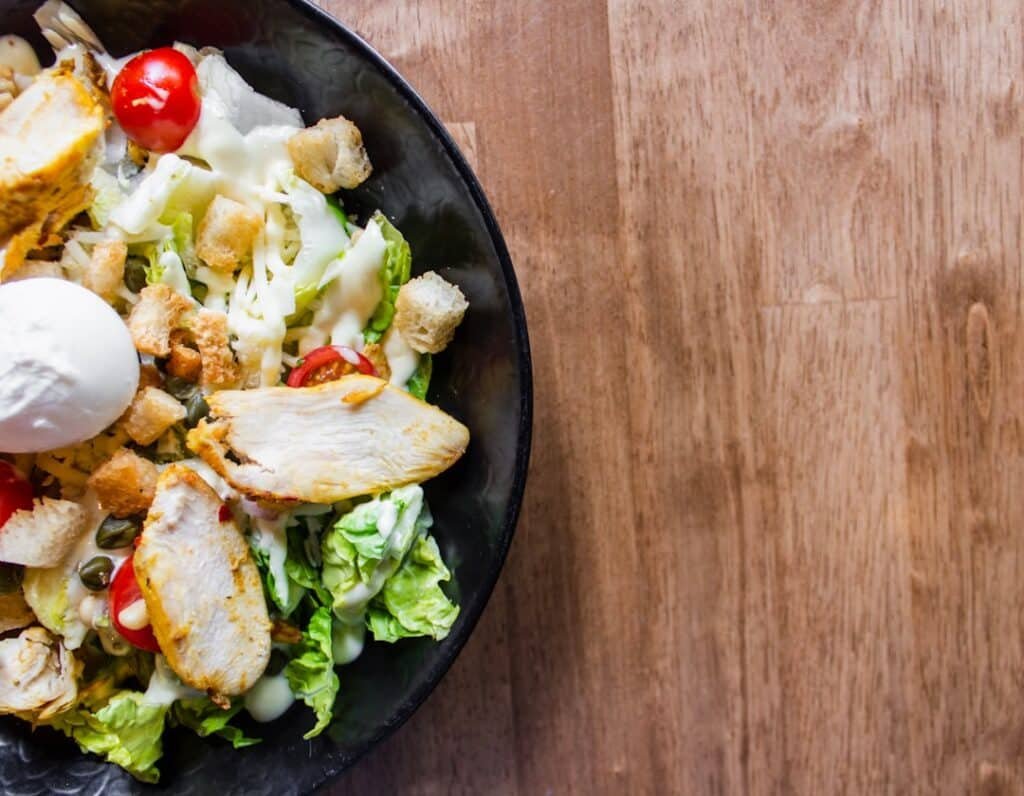
Intermittent fasting (IF) is a dietary approach that alternates between periods of eating and fasting. Rather than focusing on what you eat, it emphasizes when you eat. This method has gained popularity in recent years, not only for its potential health benefits but also for its simplicity.
You may find that it allows you to streamline your eating habits, making it easier to manage your weight and improve your overall health. By restricting your eating to specific windows of time, you can create a natural rhythm that aligns with your body’s needs. The concept of intermittent fasting is not new; it has roots in various cultural and religious practices throughout history.
Many people have unknowingly practiced some form of fasting, whether during religious observances or simply by skipping breakfast. In essence, intermittent fasting can be seen as a way to reconnect with your body’s natural hunger signals and promote a more mindful approach to eating. As you explore this method, you may discover that it offers a refreshing perspective on food and nutrition.
Key Takeaways
- Intermittent fasting is an eating pattern that cycles between periods of fasting and eating.
- Intermittent fasting can help with fat loss by reducing calorie intake and increasing fat burning.
- Different methods of intermittent fasting include the 16/8 method, the 5:2 method, and the eat-stop-eat method.
- Benefits of intermittent fasting for fat loss include improved insulin sensitivity, increased fat oxidation, and reduced inflammation.
- Tips for successful fat loss while intermittent fasting include staying hydrated, eating nutrient-dense foods, and being consistent with fasting periods.
How Intermittent Fasting Affects Fat Loss
Insulin Levels and Fat Burning
During fasting periods, insulin levels drop, facilitating fat burning. This decrease in insulin levels allows the body to access stored fat more efficiently, making it an effective strategy for those looking to shed excess weight.
Adapting to Intermittent Fasting
As the body adapts to this eating pattern, it becomes more adept at utilizing fat as a primary energy source. Additionally, intermittent fasting can enhance the production of human growth hormone (HGH), which plays a crucial role in fat metabolism and muscle preservation.
Benefits of Increased HGH
Higher levels of HGH can lead to increased fat loss while helping to maintain lean muscle mass. This dual benefit is particularly appealing if you’re aiming for a toned physique rather than just weight loss. As you continue with intermittent fasting, you might find that your body composition improves, leading to a healthier and more balanced appearance.
Different Methods of Intermittent Fasting
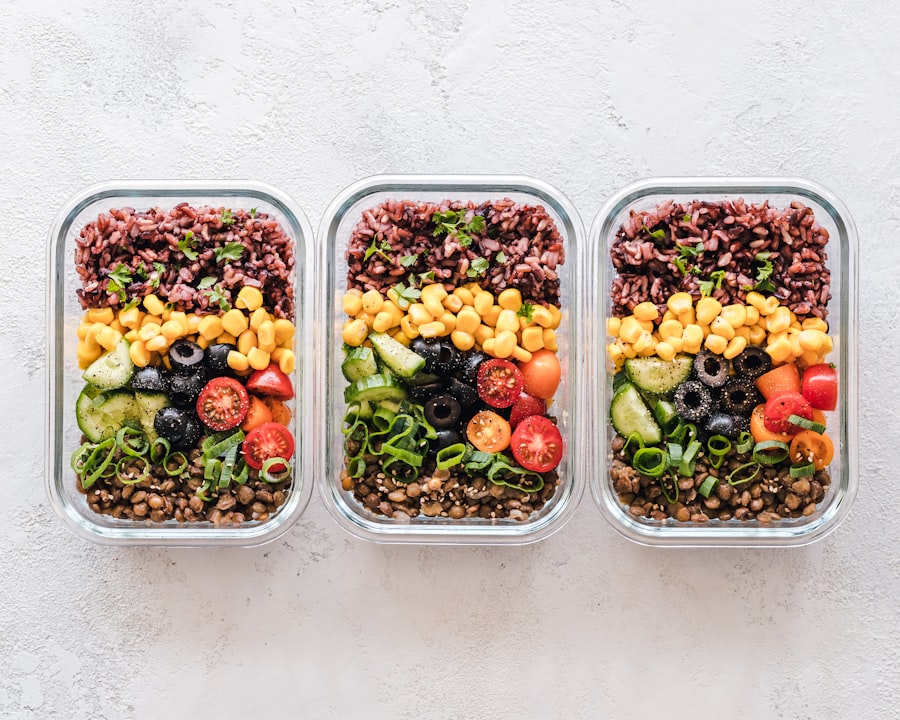
There are several methods of intermittent fasting, each with its unique structure and appeal. One popular approach is the 16/8 method, where you fast for 16 hours and eat during an 8-hour window. This method is often favored for its simplicity, as it typically involves skipping breakfast and allowing for lunch and dinner within the designated timeframe.
You may find that this method fits seamlessly into your daily routine, making it easier to adhere to. Another common method is the 5:2 diet, which involves eating normally for five days of the week while restricting calorie intake to about 500-600 calories on two non-consecutive days. This approach allows for flexibility in your eating habits while still promoting fat loss.
You might appreciate the freedom of enjoying your favorite foods on regular days while being mindful of your intake on fasting days. Whichever method you choose, it’s essential to select one that aligns with your lifestyle and preferences to ensure long-term success.
Benefits of Intermittent Fasting for Fat Loss
Intermittent fasting offers numerous benefits beyond just fat loss. One significant advantage is its potential to improve metabolic health. By reducing insulin resistance and promoting better blood sugar control, intermittent fasting can help lower the risk of type 2 diabetes and other metabolic disorders.
As you embark on this journey, you may notice improvements in your energy levels and overall well-being. Moreover, intermittent fasting can enhance mental clarity and focus. Many individuals report experiencing heightened cognitive function during fasting periods, which may be attributed to increased production of brain-derived neurotrophic factor (BDNF).
This protein supports brain health and can lead to improved mood and cognitive performance. As you practice intermittent fasting, you might find that not only does your body benefit from fat loss, but your mind also feels sharper and more alert.
Tips for Successful Fat Loss While Intermittent Fasting
To maximize your fat loss while practicing intermittent fasting, consider incorporating a few key strategies into your routine. First and foremost, focus on nutrient-dense foods during your eating windows. Prioritize whole foods such as fruits, vegetables, lean proteins, and healthy fats to ensure you’re providing your body with the essential nutrients it needs.
You may find that by fueling your body with high-quality foods, you feel more satisfied and less likely to overindulge. Staying hydrated is another crucial aspect of successful intermittent fasting. Drinking plenty of water throughout the day can help curb hunger pangs and keep your metabolism functioning optimally.
You might also consider incorporating herbal teas or black coffee during fasting periods, as these beverages can provide additional hydration without breaking your fast. By prioritizing hydration, you’ll likely find it easier to stick to your fasting schedule and maintain focus on your fat loss goals.
Common Mistakes to Avoid While Intermittent Fasting for Fat Loss

While intermittent fasting can be an effective strategy for fat loss, there are common pitfalls that you should be aware of to ensure success. One frequent mistake is overeating during eating windows. It’s essential to remember that just because you’re allowed to eat doesn’t mean you should indulge excessively.
You may find it helpful to practice portion control and listen to your body’s hunger cues to avoid sabotaging your progress. Another mistake is neglecting the importance of balanced nutrition. Some individuals may fall into the trap of consuming processed or unhealthy foods simply because they fit within their eating window.
To achieve optimal fat loss results, focus on nourishing your body with wholesome foods that support your overall health. By prioritizing quality over quantity, you’ll likely experience better results and feel more energized throughout the day.
Sample Intermittent Fasting Meal Plans for Fat Loss
Creating a meal plan can be an effective way to stay on track with intermittent fasting while promoting fat loss. For example, if you’re following the 16/8 method, you might break your fast at noon with a balanced meal that includes grilled chicken, quinoa, and a variety of colorful vegetables. This meal provides protein, healthy carbohydrates, and essential vitamins and minerals to fuel your day.
For dinner, consider a dish like baked salmon with steamed broccoli and sweet potatoes. This combination offers healthy fats from the salmon, fiber from the vegetables, and complex carbohydrates from the sweet potatoes. As you plan your meals, aim for variety and balance to keep things interesting while ensuring you’re meeting your nutritional needs.
Combining Intermittent Fasting with Exercise for Optimal Fat Loss
Integrating exercise into your intermittent fasting routine can amplify your fat loss results significantly. Engaging in physical activity during fasting periods may enhance fat oxidation and improve overall metabolic health. You might find that working out in a fasted state helps you tap into stored fat more effectively, leading to greater fat loss over time.
However, it’s essential to listen to your body when combining exercise with intermittent fasting. If you’re new to this approach or find yourself feeling fatigued during workouts while fasting, consider adjusting the timing of your exercise sessions or opting for lower-intensity workouts on fasting days. By finding the right balance between fasting and exercise, you’ll be better equipped to achieve your fat loss goals while maintaining energy levels and overall well-being.
In conclusion, intermittent fasting presents a flexible and effective approach to fat loss that can be tailored to fit your lifestyle. By understanding its principles and benefits, exploring different methods, and implementing practical tips for success, you can embark on a journey toward improved health and well-being. Remember to stay mindful of common mistakes and prioritize balanced nutrition as you navigate this dietary strategy.
With dedication and consistency, you may find that intermittent fasting not only helps you achieve your fat loss goals but also enhances your overall quality of life.
If you are interested in maximizing fat loss while intermittent fasting, you may also want to consider incorporating green tea fat burner pills into your routine. According to a recent article on superfatburner.net, these pills can help boost metabolism and increase fat burning during fasting periods. Additionally, combining intermittent fasting with the best exercises to burn fat, as discussed in another article on the same site (superfatburner.net), can further enhance your results. And if you’re looking to not only burn fat but also build muscle simultaneously, be sure to check out the article on superfatburner.net for tips on how to achieve this challenging but rewarding goal.
FAQs
What is intermittent fasting?
Intermittent fasting is an eating pattern that cycles between periods of fasting and eating. It does not specify which foods to eat, but rather when to eat them.
How does intermittent fasting help with fat loss?
Intermittent fasting can help with fat loss by reducing calorie intake and increasing metabolism. During the fasting period, the body uses stored fat for energy, leading to fat loss over time.
What are the different methods of intermittent fasting?
There are several methods of intermittent fasting, including the 16/8 method (fasting for 16 hours and eating within an 8-hour window), the 5:2 method (eating normally for 5 days and restricting calorie intake for 2 days), and the alternate day fasting method (alternating between fasting and eating normally every other day).
Is intermittent fasting safe for everyone?
Intermittent fasting may not be suitable for everyone, especially those with certain medical conditions, pregnant or breastfeeding women, and individuals with a history of eating disorders. It is important to consult a healthcare professional before starting intermittent fasting.
What should I eat during the eating window while intermittent fasting?
It is important to focus on nutrient-dense foods such as fruits, vegetables, lean proteins, and whole grains during the eating window while intermittent fasting. It is also important to stay hydrated and avoid overeating during the eating window.
Can intermittent fasting lead to muscle loss?
When done properly, intermittent fasting should not lead to muscle loss. In fact, some studies suggest that intermittent fasting may help preserve muscle mass while promoting fat loss. However, it is important to maintain a balanced diet and engage in regular physical activity to support muscle health.