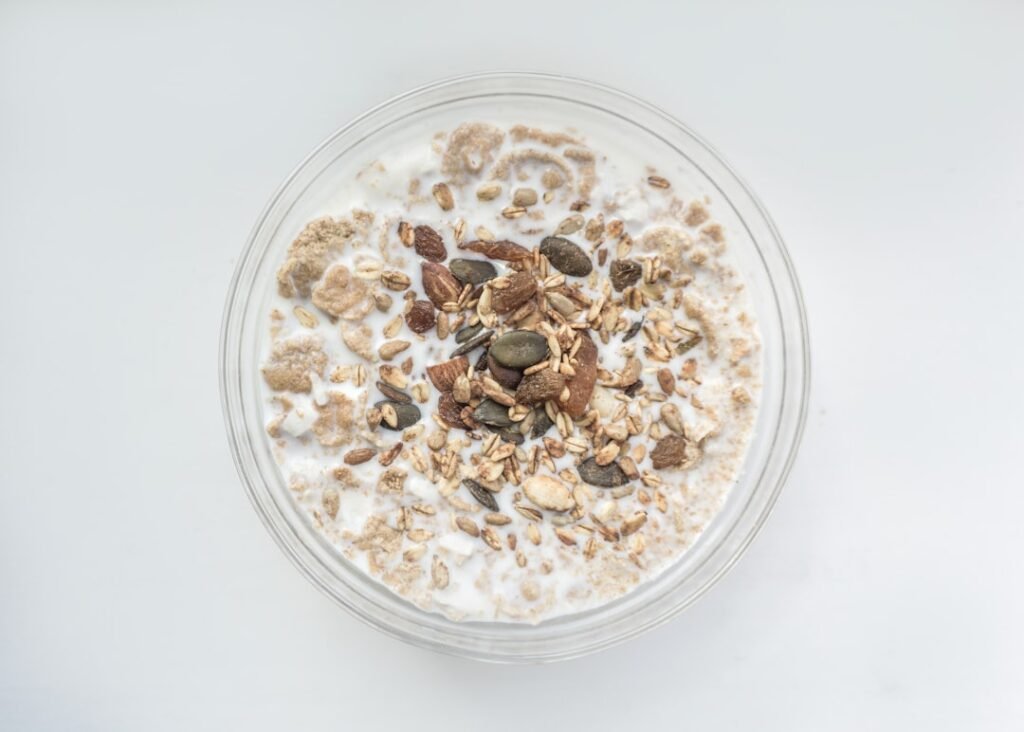
Embarking on a journey toward fat loss can feel overwhelming, but establishing healthy habits is the cornerstone of achieving your goals. You may find yourself inundated with information about diets, exercise regimens, and quick fixes that promise rapid results. However, the truth is that sustainable fat loss is not about drastic measures; it’s about cultivating a lifestyle that promotes overall well-being.
By focusing on healthy habits, you can create a balanced approach that not only helps you shed unwanted fat but also enhances your quality of life. As you begin to explore the various components of fat loss, it’s essential to understand that this journey is unique to you. What works for one person may not work for another, and that’s perfectly okay.
The key is to find a combination of strategies that resonate with your lifestyle and preferences. By prioritizing healthy habits, you can foster a positive relationship with food and exercise, making the process enjoyable rather than a chore. This article will delve into the critical aspects of nutrition, exercise, stress management, hydration, mindful eating, support systems, and sustainable habits—all vital elements in your quest for effective fat loss.
Key Takeaways
- Healthy habits are essential for successful fat loss and long-term weight management.
- Nutrition plays a crucial role in fat loss, and focusing on whole, nutrient-dense foods is key.
- Regular exercise is important for fat loss, as it helps to increase metabolism and build lean muscle mass.
- Managing stress and getting adequate sleep are important factors in fat loss, as they can impact hormone levels and appetite regulation.
- Staying hydrated is important for fat loss, as it can help to control appetite and support metabolism.
Importance of Nutrition for Fat Loss
Nutrition plays a pivotal role in your fat loss journey. The food you consume directly impacts your body’s ability to burn fat and maintain energy levels. It’s not just about cutting calories; it’s about making informed choices that nourish your body.
You should focus on incorporating whole foods into your diet, such as fruits, vegetables, lean proteins, whole grains, and healthy fats. These nutrient-dense options provide essential vitamins and minerals while keeping you satiated, which can help curb cravings and prevent overeating. Moreover, understanding macronutrients—carbohydrates, proteins, and fats—is crucial for tailoring your diet to support fat loss.
Each macronutrient serves a specific purpose in your body. For instance, protein is vital for muscle repair and growth, which can enhance your metabolism and promote fat loss. Carbohydrates provide energy for your workouts and daily activities, while healthy fats support hormone production and overall health.
By balancing these macronutrients according to your individual needs, you can create a sustainable eating plan that fuels your body and aids in fat loss.
The Role of Exercise in Fat Loss

Exercise is another fundamental component of any successful fat loss strategy. Engaging in regular physical activity not only helps you burn calories but also boosts your metabolism and builds lean muscle mass. When you incorporate strength training into your routine, you increase your resting metabolic rate, meaning you’ll burn more calories even when you’re not exercising.
This is particularly beneficial for long-term fat loss as it creates a calorie deficit over time. In addition to strength training, cardiovascular exercises such as running, cycling, or swimming can significantly contribute to your fat loss efforts. These activities elevate your heart rate and help you burn calories during and after the workout.
However, it’s essential to find an exercise routine that you enjoy; this will make it easier for you to stay consistent. Whether it’s dancing, hiking, or participating in group classes, the key is to keep moving and make physical activity a regular part of your life.
Managing Stress and Sleep for Fat Loss
You might be surprised to learn that stress and sleep play critical roles in your fat loss journey. When you experience high levels of stress, your body produces cortisol—a hormone that can lead to increased appetite and cravings for unhealthy foods. This can create a cycle where stress leads to poor eating choices, which in turn exacerbates stress levels.
Therefore, finding effective ways to manage stress is essential for maintaining a healthy lifestyle. In addition to managing stress, prioritizing quality sleep is equally important. Lack of sleep can disrupt hormonal balance, leading to increased hunger and cravings while decreasing your ability to make healthy choices.
Aim for seven to nine hours of quality sleep each night to support your body’s recovery processes and regulate appetite hormones. Establishing a calming bedtime routine can help improve sleep quality; consider practices such as reading, meditating, or gentle stretching before bed.
Hydration and Fat Loss
Hydration is often overlooked in discussions about fat loss, yet it plays a vital role in your overall health and weight management. Drinking enough water can help control hunger and prevent overeating since thirst is sometimes mistaken for hunger. When you stay adequately hydrated, your body functions optimally, which includes efficient metabolism and digestion.
Aim to drink at least eight glasses of water a day, adjusting based on your activity level and climate. Incorporating hydrating foods into your diet can also contribute to your overall fluid intake. Fruits and vegetables like cucumbers, watermelon, oranges, and leafy greens are not only refreshing but also packed with nutrients that support your health.
Additionally, consider replacing sugary beverages with water or herbal teas; this simple switch can significantly reduce calorie intake while keeping you hydrated.
Incorporating Mindful Eating for Fat Loss
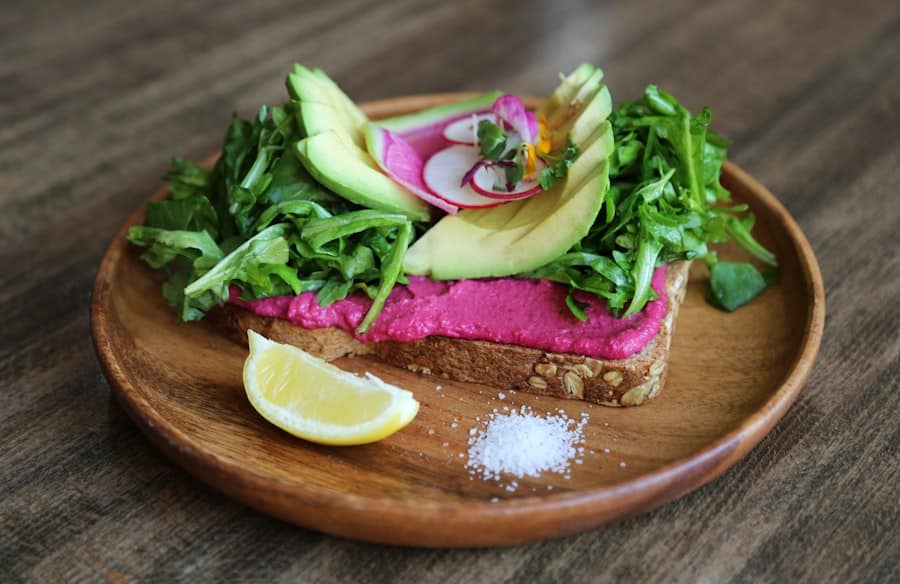
Mindful eating is an approach that encourages you to pay attention to your food choices and eating habits consciously. By slowing down and savoring each bite, you can develop a greater awareness of hunger cues and emotional triggers related to food. This practice can help you make more intentional choices about what and how much you eat, ultimately supporting your fat loss goals.
To incorporate mindful eating into your routine, start by eliminating distractions during meals—put away your phone or turn off the television. Focus on the flavors, textures, and aromas of your food as you eat slowly. This not only enhances your enjoyment of meals but also allows you to recognize when you’re full, reducing the likelihood of overeating.
Over time, this practice can lead to healthier eating habits and a more positive relationship with food.
Building a Support System for Fat Loss
Having a strong support system can significantly impact your fat loss journey. Surrounding yourself with individuals who share similar goals or who are supportive of your efforts can provide motivation and accountability. Whether it’s friends, family members, or online communities, connecting with others who understand the challenges of fat loss can make the process feel less isolating.
Consider joining a fitness class or group where you can meet like-minded individuals who are also working toward their health goals. Sharing experiences, challenges, and successes with others can foster a sense of camaraderie that keeps you motivated. Additionally, don’t hesitate to seek professional guidance from nutritionists or personal trainers who can offer personalized advice tailored to your unique needs.
Creating Sustainable Habits for Long-Term Fat Loss
Ultimately, the key to successful fat loss lies in creating sustainable habits that fit seamlessly into your lifestyle. Instead of viewing fat loss as a temporary endeavor or a quick fix, approach it as a long-term commitment to improving your health and well-being. Start by setting realistic goals that are achievable within a reasonable timeframe; this will help you stay focused without feeling overwhelmed.
As you work toward these goals, remember that consistency is more important than perfection. It’s normal to encounter setbacks along the way; what matters is how you respond to them. Embrace flexibility in your approach—allow yourself occasional treats without guilt while maintaining a focus on overall balance.
By cultivating healthy habits that are enjoyable and manageable for you, you’ll be more likely to sustain them over time and achieve lasting fat loss success. In conclusion, embarking on a fat loss journey requires a multifaceted approach that encompasses nutrition, exercise, stress management, hydration, mindful eating, support systems, and sustainable habits. By prioritizing these elements in your daily life, you can create a healthier lifestyle that not only helps you achieve your fat loss goals but also enhances your overall well-being.
Remember that this journey is uniquely yours; embrace the process and celebrate each step toward becoming the best version of yourself.
If you are looking to incorporate healthy habits for fat loss into your routine, you may also be interested in learning about the best ways to burn your fats. This article discusses various methods and strategies to help you effectively burn fat and achieve your weight loss goals. Check it out here for more information.
FAQs
What are healthy habits for fat loss?
Healthy habits for fat loss include eating a balanced diet, exercising regularly, getting enough sleep, managing stress, and staying hydrated.
Why is a balanced diet important for fat loss?
A balanced diet is important for fat loss because it provides the necessary nutrients for the body to function properly while creating a calorie deficit for weight loss.
How much exercise is recommended for fat loss?
The American Heart Association recommends at least 150 minutes of moderate-intensity exercise or 75 minutes of vigorous-intensity exercise per week for overall health and weight management.
How does sleep affect fat loss?
Lack of sleep can disrupt hormone levels, leading to increased hunger and cravings, as well as decreased energy expenditure, making it harder to lose fat.
What are some stress management techniques for fat loss?
Stress management techniques for fat loss include meditation, deep breathing exercises, yoga, spending time in nature, and engaging in hobbies or activities that bring joy.
Why is staying hydrated important for fat loss?
Staying hydrated is important for fat loss because it helps regulate appetite, supports metabolism, and aids in the body’s natural detoxification processes.