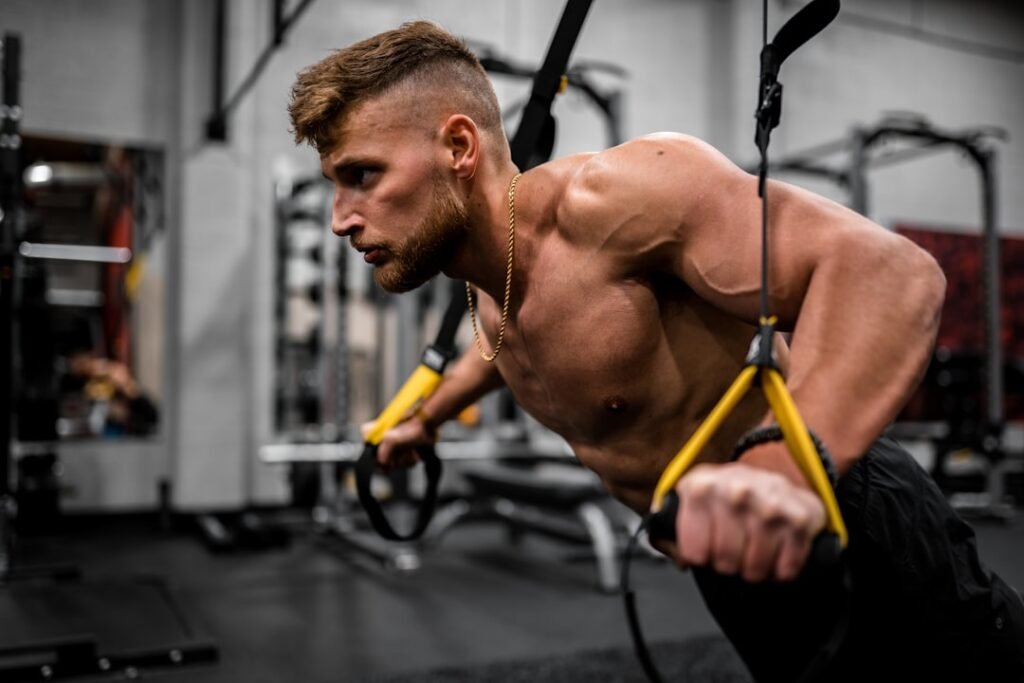
When embarking on a journey toward fat loss and muscle gain, it’s essential to grasp the fundamental principles that govern these processes. At its core, fat loss occurs when you burn more calories than you consume, creating a caloric deficit. This deficit forces your body to tap into its fat reserves for energy, leading to a reduction in body fat.
On the other hand, muscle gain, or hypertrophy, happens when you engage in resistance training that stimulates muscle fibers, prompting them to repair and grow stronger. Understanding this balance between caloric intake and expenditure is crucial for achieving your fitness goals. You should also recognize that fat loss and muscle gain can occur simultaneously, although it requires a careful approach.
This process, often referred to as body recomposition, involves strategically managing your diet and exercise regimen to promote fat loss while still providing your muscles with the nutrients they need to grow. It’s a delicate dance that requires patience and consistency, but with the right knowledge and commitment, you can achieve a leaner physique while enhancing your muscle mass.
Key Takeaways
- Understanding the basics of fat loss and muscle gain is essential for achieving fitness goals.
- Nutrition plays a crucial role in achieving fat loss and muscle gain, and it’s important to focus on a balanced diet.
- Designing an effective workout plan that includes both strength training and cardio is key for fat loss and muscle gain.
- Incorporating cardio and HIIT workouts into your routine can help maximize fat burning and improve overall fitness.
- Resistance training is essential for building muscle and should be a key component of any workout plan.
- Maximizing recovery and rest is crucial for optimal fat loss and muscle gain, so make sure to prioritize rest days and quality sleep.
- Avoiding common mistakes such as overtraining and poor nutrition is important for successful fat loss and muscle gain.
- Seeking professional guidance can help create a personalized plan for fat loss and muscle gain, ensuring long-term success.
The Importance of Nutrition in Achieving Fat Loss and Muscle Gain
Nutrition plays a pivotal role in your quest for fat loss and muscle gain. The food you consume not only fuels your workouts but also influences your body’s ability to recover and adapt. To lose fat effectively, you need to focus on a balanced diet rich in whole foods, including lean proteins, healthy fats, and complex carbohydrates.
These macronutrients provide the necessary building blocks for muscle repair and growth while ensuring that your body has enough energy to perform at its best during workouts. Moreover, understanding portion control and meal timing can significantly impact your results. Eating smaller, more frequent meals throughout the day can help regulate your metabolism and keep your energy levels stable.
Additionally, consuming protein-rich foods post-workout can enhance muscle recovery and growth. By prioritizing nutrition, you set the foundation for successful fat loss and muscle gain, allowing your body to function optimally as you work toward your fitness goals.
Designing an Effective Workout Plan for Fat Loss and Muscle Gain

Creating a workout plan tailored to your specific goals is essential for achieving fat loss and muscle gain. Your plan should incorporate a mix of resistance training and cardiovascular exercises to maximize results. Resistance training is vital for building muscle, while cardio helps burn calories and improve cardiovascular health.
Aim for at least three to four days of strength training each week, focusing on compound movements that engage multiple muscle groups, such as squats, deadlifts, and bench presses. In addition to strength training, incorporating cardio sessions into your routine is crucial. You might consider steady-state cardio, like jogging or cycling, alongside high-intensity interval training (HIIT) for optimal fat burning.
HIIT workouts are particularly effective because they elevate your heart rate and keep it elevated even after the workout is over, leading to increased calorie burn throughout the day. By designing a well-rounded workout plan that balances these elements, you can effectively work toward both fat loss and muscle gain.
Incorporating Cardio and HIIT Workouts for Fat Burning
Cardiovascular exercise is a powerful tool in your arsenal for burning fat. It elevates your heart rate and increases calorie expenditure during and after workouts. You may find that incorporating various forms of cardio keeps your routine fresh and engaging.
Steady-state cardio, such as running or swimming at a moderate pace, can be beneficial for building endurance and burning calories over longer durations. However, it’s important not to overlook the benefits of high-intensity interval training (HIIT), which has gained popularity for its efficiency in burning fat. HIIT workouts involve short bursts of intense activity followed by brief recovery periods.
This method not only saves time but also enhances metabolic rate post-exercise through a phenomenon known as excess post-exercise oxygen consumption (EPOC). You might find that just 20-30 minutes of HIIT can yield significant results compared to longer sessions of steady-state cardio. By incorporating both forms of cardio into your routine, you can optimize fat burning while keeping your workouts varied and enjoyable.
The Role of Resistance Training in Building Muscle
Resistance training is the cornerstone of any effective program aimed at building muscle. When you lift weights or use resistance bands, you create micro-tears in your muscle fibers. Your body then repairs these tears during recovery, leading to increased muscle size and strength over time.
To maximize muscle gain, focus on progressive overload—gradually increasing the weight or resistance you use in your workouts. This principle ensures that your muscles are continually challenged, promoting growth. In addition to traditional weightlifting, consider incorporating bodyweight exercises into your routine.
Movements like push-ups, pull-ups, and squats can be incredibly effective for building strength without the need for equipment. You may also want to explore different training styles, such as circuit training or supersets, which can keep your workouts dynamic while targeting multiple muscle groups simultaneously. By prioritizing resistance training in your fitness regimen, you set yourself up for success in achieving both fat loss and muscle gain.
Maximizing Recovery and Rest for Optimal Fat Loss and Muscle Gain
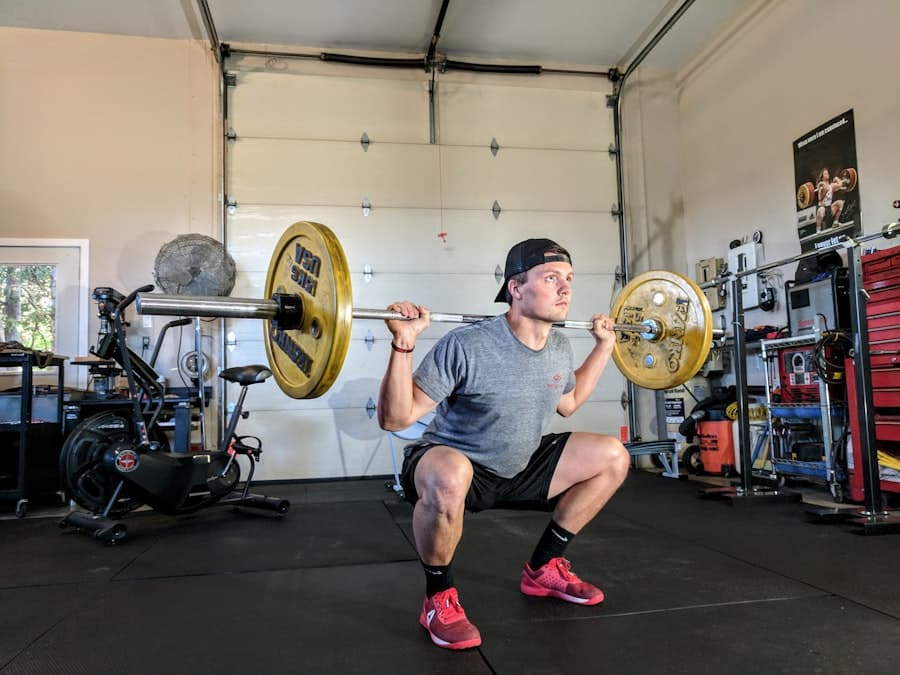
Recovery is often an overlooked aspect of fitness that plays a crucial role in achieving fat loss and muscle gain. When you exercise, especially during intense workouts, your muscles undergo stress that requires time to heal. Adequate rest allows your body to repair itself and adapt to the demands placed upon it.
You should aim for at least one or two rest days each week to give your muscles time to recover fully. In addition to scheduled rest days, consider incorporating active recovery techniques into your routine. Activities like yoga or light stretching can promote blood flow and aid in recovery without placing additional strain on your muscles.
Furthermore, prioritizing sleep is essential; aim for 7-9 hours of quality sleep each night to support hormonal balance and overall recovery. By maximizing recovery through rest and active recovery strategies, you enhance your body’s ability to lose fat and build muscle effectively.
Avoiding Common Mistakes that Hinder Fat Loss and Muscle Gain
As you pursue fat loss and muscle gain, it’s important to be aware of common pitfalls that can hinder your progress. One frequent mistake is neglecting nutrition in favor of excessive exercise. While working out is vital, it’s equally important to fuel your body with the right nutrients to support your goals.
Skipping meals or drastically cutting calories can lead to fatigue and hinder muscle growth. Another common error is failing to track progress effectively. Without monitoring your workouts and nutrition, it can be challenging to identify what works best for you.
Consider keeping a journal or using fitness apps to log your meals and workouts; this will help you stay accountable and make necessary adjustments along the way. By avoiding these mistakes and staying mindful of your approach, you can create a more effective path toward achieving fat loss and muscle gain.
Seeking Professional Guidance for Personalized Fat Loss and Muscle Gain Plans
While self-guided efforts can yield results, seeking professional guidance can significantly enhance your journey toward fat loss and muscle gain. A certified personal trainer or nutritionist can provide personalized plans tailored to your unique needs, preferences, and goals. They can assess your current fitness level, dietary habits, and lifestyle factors to create a comprehensive strategy that maximizes results.
Working with a professional also offers accountability; having someone to check in with regularly can motivate you to stay on track with your goals. Additionally, they can help you navigate any challenges or plateaus you may encounter along the way. By investing in professional guidance, you equip yourself with the knowledge and support necessary to achieve sustainable fat loss and muscle gain effectively.
In conclusion, understanding the basics of fat loss and muscle gain is essential as you embark on this transformative journey. By prioritizing nutrition, designing an effective workout plan, incorporating various forms of exercise, maximizing recovery, avoiding common mistakes, and seeking professional guidance when needed, you set yourself up for success in achieving your fitness goals. Remember that consistency is key; with dedication and the right approach, you can achieve the body composition you desire while enhancing your overall health and well-being.
If you are looking to burn fat and gain muscle, you may also be interested in learning about how to burn fat fast at home. This article provides tips and strategies for achieving your weight loss goals in the comfort of your own home. Check it out here.
FAQs
What is the best way to burn fat and gain muscle?
The best way to burn fat and gain muscle is through a combination of regular exercise, including both cardiovascular and strength training, and a balanced diet that includes plenty of protein, healthy fats, and complex carbohydrates.
Is it possible to burn fat and gain muscle at the same time?
Yes, it is possible to burn fat and gain muscle at the same time, especially for beginners or those returning to exercise after a break. This can be achieved through a combination of resistance training, cardiovascular exercise, and a balanced diet.
What are some effective exercises for burning fat and gaining muscle?
Effective exercises for burning fat and gaining muscle include weightlifting, bodyweight exercises, high-intensity interval training (HIIT), and cardiovascular activities such as running, cycling, or swimming.
How important is nutrition in burning fat and gaining muscle?
Nutrition is extremely important in burning fat and gaining muscle. A balanced diet that includes adequate protein, healthy fats, and complex carbohydrates is essential for supporting muscle growth and providing the energy needed for exercise.
How much protein should I consume to support muscle growth?
The recommended protein intake for muscle growth is around 1.2 to 2.2 grams of protein per kilogram of body weight per day, depending on individual factors such as activity level and muscle mass.
Is it necessary to do both cardio and strength training to burn fat and gain muscle?
Yes, it is necessary to do both cardio and strength training to effectively burn fat and gain muscle. Cardiovascular exercise helps to burn calories and improve cardiovascular health, while strength training builds muscle and increases metabolism.