Welcome, friend! If you’re looking to shed some excess weight and tone up, you may be wondering how to go about burning fat while maintaining your hard-earned muscle. In this article, you will discover some effective strategies to help you achieve your fitness goals without sacrificing muscle mass. Let’s dive in and learn how you can burn fat instead of muscle! Have you ever wondered how you can burn fat instead of muscle? If so, you’re not alone. Many people struggle with finding the right balance between losing fat and preserving muscle mass. In this article, we will explore some tips and strategies to help you achieve your goals of burning fat while maintaining muscle. Let’s dive in!
Understanding the Basics of Muscle and Fat
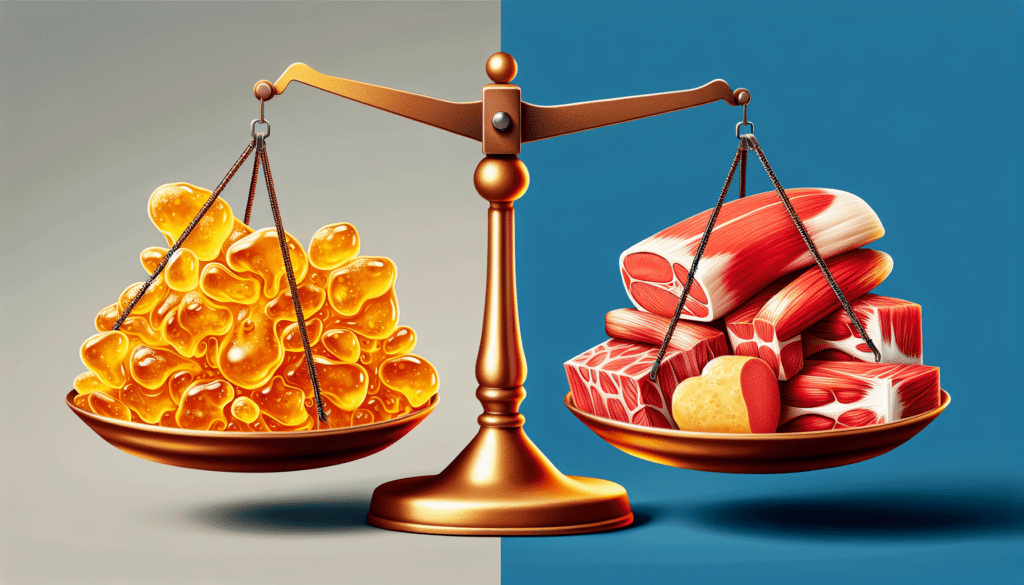
Before we dive into how to burn fat instead of muscle, it’s important to understand the basics of muscle and fat. Muscle tissue is more metabolically active than fat tissue, meaning it burns more calories at rest. On the other hand, fat tissue is your body’s way of storing excess energy for future use. To effectively burn fat, you want to maximize your muscle mass while reducing your fat stores.
Muscle: Your Body’s Fat-Burning Engine
Muscle plays a key role in your body’s ability to burn fat. The more muscle mass you have, the more calories your body will burn at rest. This is known as your Basal Metabolic Rate (BMR), which is the number of calories your body needs to maintain basic physiological functions at rest. By increasing your muscle mass through strength training exercises, you can boost your BMR and improve your body’s fat-burning potential.
Fat: Your Body’s Energy Storage
Fat, on the other hand, serves as your body’s energy storage system. When you consume more calories than your body needs, the excess energy is stored as adipose tissue (fat). While some fat is essential for hormone production and overall health, excess fat stores can lead to weight gain and health complications. By focusing on burning fat instead of muscle, you can promote a balanced body composition and improve your overall health.
Optimizing Your Diet for Fat Loss
Diet plays a crucial role in determining whether your body burns fat or muscle for fuel. To effectively burn fat while preserving muscle mass, you need to create a caloric deficit while ensuring you’re getting adequate nutrients to support muscle growth. Here are some tips for optimizing your diet for fat loss:
Calculate Your Caloric Needs
To determine how many calories you need to consume to lose fat, you first need to calculate your Total Daily Energy Expenditure (TDEE). This is the total number of calories you burn in a day, including your BMR and physical activity. Once you know your TDEE, you can create a caloric deficit by consuming fewer calories than your body needs to maintain your current weight.
Prioritize Protein Intake
Protein is essential for muscle maintenance and repair, making it a crucial nutrient for preserving muscle mass while losing fat. Aim to consume at least 1 gram of protein per pound of body weight to support your muscle-building goals. Lean protein sources such as chicken, turkey, fish, tofu, and legumes are excellent choices for optimizing your protein intake.
Include Healthy Fats in Your Diet
While reducing overall fat intake can help you create a caloric deficit, it’s important to include healthy fats in your diet for optimal health and fat loss. Good sources of healthy fats include avocados, nuts, seeds, olive oil, and fatty fish. These fats can help support hormone production, reduce inflammation, and improve your body’s ability to burn fat.
Limit Processed Foods and Sugary Drinks
Processed foods and sugary drinks are often high in empty calories, unhealthy fats, and added sugars, which can hinder your fat loss goals. Instead, focus on whole, nutrient-dense foods like fruits, vegetables, whole grains, lean proteins, and healthy fats. These foods are rich in vitamins, minerals, and antioxidants that can support your overall health and help you burn fat instead of muscle.
The Importance of Strength Training for Fat Loss
In addition to diet, exercise plays a crucial role in determining whether your body burns fat or muscle for fuel. While cardiovascular exercise can help you burn calories and improve your cardiovascular health, strength training is essential for building and preserving muscle mass. Here’s why strength training is important for fat loss:
Increase Muscle Mass and BMR
Strength training exercises, such as weightlifting, resistance training, and bodyweight exercises, can help increase your muscle mass and boost your BMR. By incorporating strength training into your fitness routine, you can promote muscle growth, improve your body composition, and enhance your body’s fat-burning potential.
Preserve Lean Muscle Mass
When you create a caloric deficit to lose fat, your body may also break down muscle tissue for energy, especially if you’re not consuming enough protein or engaging in strength training. By incorporating regular strength training sessions into your routine, you can preserve your lean muscle mass and prevent muscle loss while cutting calories.
Improve Metabolic Health and Insulin Sensitivity
Strength training has been shown to improve metabolic health, insulin sensitivity, and blood sugar control, all of which are important factors for fat loss and overall health. By incorporating strength training exercises into your routine, you can enhance your body’s ability to burn fat, reduce inflammation, and improve your metabolic function.
Strategies to Burn Fat Instead of Muscle
Now that you understand the basics of muscle and fat, as well as the importance of diet and exercise for fat loss, let’s explore some specific strategies to help you burn fat instead of muscle. These tips will help you optimize your fat loss efforts and maximize your muscle-preserving potential:
Prioritize Resistance Training
As mentioned earlier, resistance training is essential for building and preserving muscle mass, which is key to burning fat instead of muscle. Aim to include strength training exercises in your routine at least 2-3 times per week, focusing on compound movements that target multiple muscle groups. These exercises can include squats, deadlifts, lunges, bench presses, and rows.
Incorporate High-Intensity Interval Training (HIIT)
High-Intensity Interval Training (HIIT) is a form of cardiovascular exercise that involves short bursts of intense activity followed by brief recovery periods. HIIT has been shown to be effective for burning fat, improving cardiovascular health, and increasing metabolic rate. By incorporating HIIT workouts into your routine, you can maximize calorie burn, boost your metabolism, and enhance your fat-burning potential.
Monitor Your Progress and Adjust Accordingly
To ensure you’re burning fat instead of muscle, it’s important to track your progress and make adjustments as needed. Keep a food journal to monitor your caloric intake, track your workouts and progress in the gym, and pay attention to how your body responds to your diet and exercise routine. If you’re not seeing the results you want, consider consulting with a nutritionist or personal trainer for personalized guidance.
Get Adequate Rest and Recovery
Rest and recovery are essential for optimal fat loss and muscle growth. Aim to get at least 7-9 hours of quality sleep per night to support your body’s repair and regeneration processes. Additionally, incorporate rest days into your workout routine to allow your muscles to recover and prevent overtraining. By prioritizing rest and recovery, you can optimize your fat loss efforts and promote muscle preservation.
Stay Consistent and Patient
Fat loss takes time and consistent effort, so it’s important to stay patient and persistent with your goals. Focus on making small, sustainable changes to your diet and exercise routine, and celebrate your progress along the way. By staying consistent, patient, and committed to your fat loss journey, you can burn fat instead of muscle and achieve the results you desire.
In Conclusion
Achieving your goals of burning fat instead of muscle requires a comprehensive approach that includes optimizing your diet, incorporating strength training, and implementing specific strategies for fat loss. By understanding the basics of muscle and fat, prioritizing resistance training, and staying consistent with your efforts, you can maximize your fat-burning potential while preserving lean muscle mass. Remember to consult with a healthcare provider or fitness professional before making any significant changes to your diet or exercise routine. Best of luck on your fat loss journey!