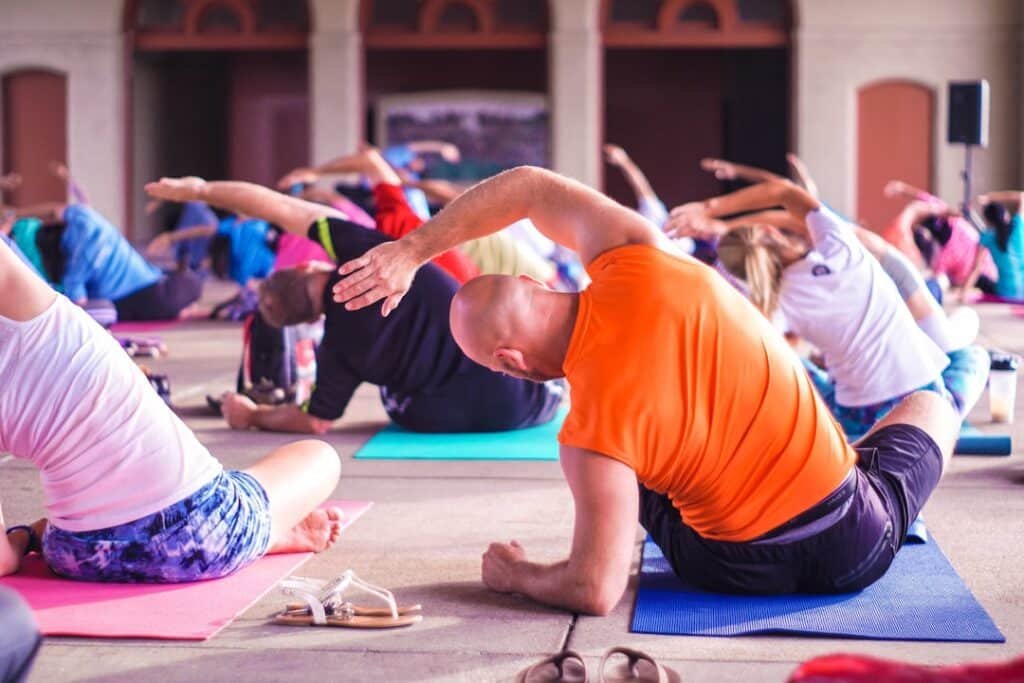
When you think about fitness, cardio workouts often come to mind as a fundamental component of any exercise regimen. Engaging in cardiovascular activities is crucial for maintaining heart health, improving lung capacity, and enhancing overall endurance. As you incorporate cardio into your routine, you may notice an increase in your energy levels and a reduction in stress.
This is because cardio exercises stimulate the release of endorphins, often referred to as “feel-good” hormones, which can elevate your mood and help combat anxiety. Moreover, cardio workouts play a significant role in weight management. By elevating your heart rate and burning calories, you can create a caloric deficit that is essential for weight loss.
Whether you prefer running, cycling, swimming, or even brisk walking, the key is to find an activity that you enjoy. This enjoyment will not only make your workouts more sustainable but will also encourage you to stick with them over the long term. As you become more consistent with your cardio routine, you will likely experience improvements in your physical appearance and overall health, reinforcing the importance of these workouts in your fitness journey.
Key Takeaways
- Cardio workouts are essential for improving heart health, increasing endurance, and burning calories.
- High-Intensity Interval Training (HIIT) can maximize calorie burn and improve cardiovascular fitness in a shorter amount of time.
- Resistance training is crucial for building muscle, increasing metabolism, and improving overall strength and function.
- Core-specific exercises help to improve stability, balance, and posture, while also reducing the risk of injury.
- A balanced and healthy diet is key for fueling workouts, promoting muscle recovery, and achieving overall wellness.
Incorporating High-Intensity Interval Training (HIIT)
High-Intensity Interval Training (HIIT) has gained immense popularity in recent years, and for good reason. This training method involves alternating between short bursts of intense activity and periods of rest or lower-intensity exercise. If you’re looking to maximize your workout efficiency, HIIT can be a game-changer.
You can achieve significant cardiovascular benefits in a fraction of the time compared to traditional steady-state cardio workouts. This is particularly appealing for those with busy schedules who still want to prioritize their fitness. Incorporating HIIT into your routine can also lead to improved metabolic rates.
After a HIIT session, your body continues to burn calories at an elevated rate, a phenomenon known as excess post-exercise oxygen consumption (EPOC). This means that even after you’ve finished your workout, you’re still reaping the benefits. To get started with HIIT, you might consider exercises like sprinting, jumping jacks, or burpees, interspersed with brief recovery periods.
As you become more comfortable with this style of training, you can experiment with different intervals and intensities to keep your workouts fresh and challenging.
Utilizing Resistance Training to Build Muscle
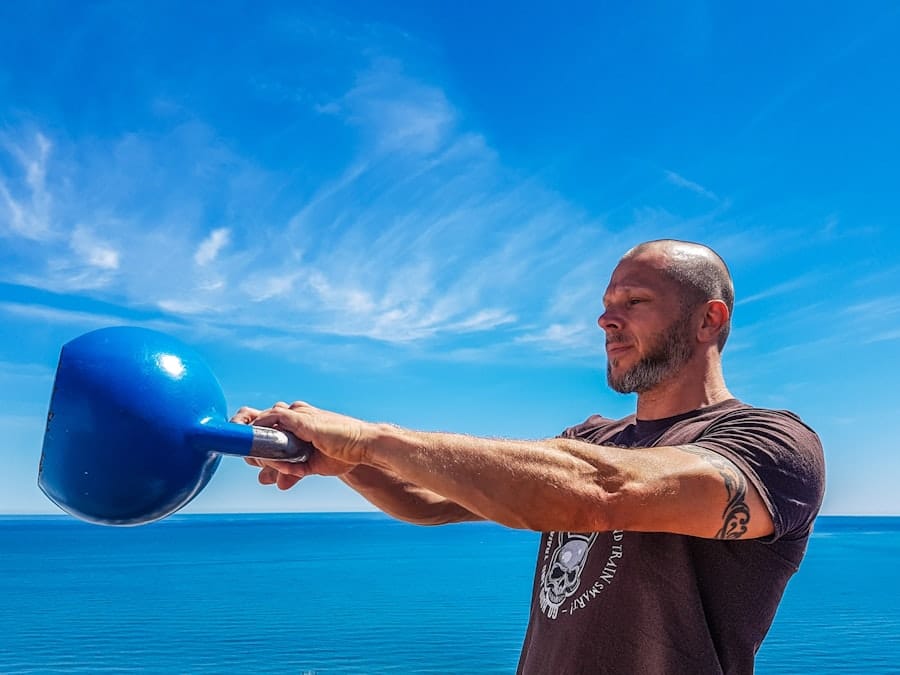
While cardio is essential for cardiovascular health and weight management, resistance training is equally important for building muscle and enhancing overall strength. When you engage in resistance training, whether through free weights, machines, or bodyweight exercises, you create micro-tears in your muscle fibers. As these fibers repair themselves, they grow back stronger and larger, leading to increased muscle mass over time.
This process not only improves your physical appearance but also boosts your metabolism, allowing you to burn more calories even at rest. Incorporating resistance training into your fitness routine can also help prevent injuries. Stronger muscles support your joints and improve your overall stability and balance.
As you progress in your resistance training journey, you may find that everyday activities become easier and more manageable. You might start with basic exercises like squats, push-ups, and lunges before gradually increasing the weight or complexity of your workouts. Remember that consistency is key; aim to include resistance training at least two to three times a week for optimal results.
Engaging in Core-Specific Exercises
A strong core is the foundation of overall fitness and plays a vital role in nearly every movement you perform. Engaging in core-specific exercises not only enhances your athletic performance but also improves your posture and reduces the risk of injury. Your core consists of various muscles that stabilize your spine and pelvis, making it essential for activities ranging from lifting heavy objects to maintaining balance during dynamic movements.
To effectively engage your core, consider incorporating exercises such as planks, Russian twists, and bicycle crunches into your routine. These exercises target different areas of your core, ensuring a well-rounded approach to strengthening this crucial muscle group. As you progress, you can increase the difficulty by adding weights or trying more advanced variations.
A strong core will not only enhance your performance in other workouts but will also contribute to better functional movement in daily life.
Implementing a Balanced and Healthy Diet
No fitness journey is complete without addressing nutrition. Implementing a balanced and healthy diet is essential for fueling your workouts and supporting recovery. As you engage in various forms of exercise, your body requires adequate nutrients to perform optimally and repair itself afterward.
Focus on incorporating a variety of whole foods into your diet, including fruits, vegetables, lean proteins, whole grains, and healthy fats. Pay attention to portion sizes and aim for balanced meals that provide the right mix of macronutrients—carbohydrates for energy, protein for muscle repair, and fats for overall health. Additionally, staying hydrated is crucial; water plays a vital role in digestion, nutrient absorption, and temperature regulation during exercise.
By prioritizing nutrition alongside your workout routine, you’ll set yourself up for success and enhance the results of your efforts.
Prioritizing Consistency and Persistence

Setting Realistic Goals
To stay on track, consider setting realistic goals that are both achievable and measurable. Break down larger goals into smaller milestones that allow you to celebrate progress along the way.
Overcoming Obstacles
Persistence is equally important; there will be days when you feel less motivated or encounter obstacles that threaten to derail your efforts. During these times, remind yourself of why you started this journey in the first place.
Building Supportive Habits
Surround yourself with supportive individuals who encourage you to keep going when the going gets tough. By prioritizing consistency and persistence in both your workouts and nutrition, you’ll build habits that lead to long-term success.
Monitoring Progress and Making Adjustments
As you embark on your fitness journey, it’s essential to monitor your progress regularly. Keeping track of your workouts, nutrition, and any changes in your body composition can provide valuable insights into what is working and what may need adjustment. Consider using a journal or fitness app to log your activities and meals; this can help you identify patterns and areas for improvement.
If you’re not seeing the results you desire after a few weeks or months, don’t be afraid to make adjustments to your routine. This could involve changing the types of exercises you’re doing, altering the intensity or duration of your workouts, or reassessing your dietary choices. Remember that fitness is not a one-size-fits-all approach; what works for one person may not work for another.
Be open to experimentation and willing to adapt as needed to continue progressing toward your goals.
Seeking Professional Guidance and Support
Finally, don’t hesitate to seek professional guidance if you’re feeling overwhelmed or unsure about how to proceed on your fitness journey. Personal trainers can provide tailored workout plans that align with your goals while offering valuable feedback on form and technique. Nutritionists or dietitians can help you create a personalized meal plan that meets your dietary needs while supporting your fitness objectives.
Additionally, joining group classes or finding workout buddies can provide motivation and accountability as you work toward your goals together. Surrounding yourself with like-minded individuals can make the process more enjoyable and help you stay committed even when challenges arise. Remember that seeking support is not a sign of weakness; it’s a proactive step toward achieving lasting success in your fitness journey.
In conclusion, embracing a holistic approach to fitness involves understanding the importance of cardio workouts, incorporating HIIT and resistance training, engaging in core-specific exercises, maintaining a balanced diet, prioritizing consistency, monitoring progress, and seeking professional guidance when needed. By integrating these elements into your routine, you’ll be well on your way to achieving your fitness goals while enjoying the journey along the way.
If you’re looking to burn belly fat fast at the gym, you may also want to consider how depression can impact your weight loss journey. According to a recent article on superfatburner.net, depression can make it harder to stay motivated and stick to a workout routine. It’s important to address any mental health issues you may be facing in order to achieve your fitness goals.
FAQs
What are the best gym exercises to burn belly fat fast?
Some of the best gym exercises to burn belly fat fast include high-intensity interval training (HIIT), cardio exercises like running or cycling, and strength training exercises such as squats, deadlifts, and lunges.
How often should I go to the gym to burn belly fat fast?
To burn belly fat fast at the gym, it is recommended to exercise at least 5 days a week for 30-60 minutes each session. Consistency is key to seeing results.
Should I focus on cardio or strength training to burn belly fat at the gym?
Both cardio and strength training are important for burning belly fat at the gym. Cardio exercises help to burn calories and reduce overall body fat, while strength training helps to build muscle and increase metabolism.
What should I eat before and after a gym workout to burn belly fat fast?
Before a gym workout, it is best to eat a small meal or snack that includes carbohydrates and protein for energy. After a workout, it is important to refuel with a combination of protein and carbohydrates to aid in muscle recovery and fat burning.
How long does it take to see results from burning belly fat at the gym?
The time it takes to see results from burning belly fat at the gym varies for each individual. With a consistent workout routine and a healthy diet, some people may start to see results in as little as a few weeks. However, it may take longer for others.