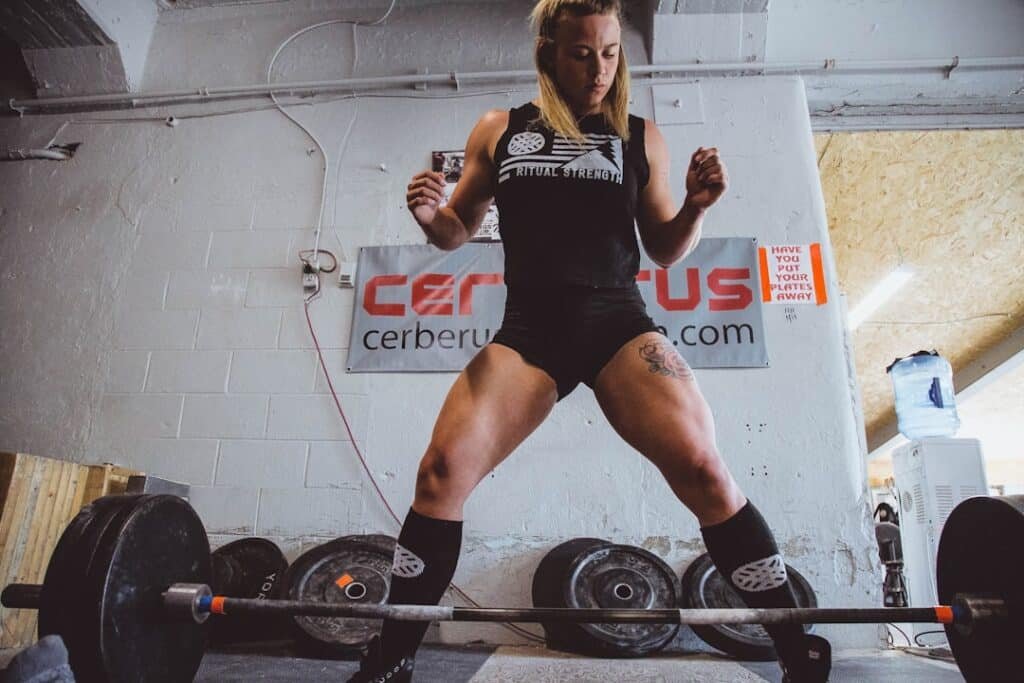
To embark on your journey toward fat burning and muscle building, it’s essential to grasp the fundamental principles that govern these processes. Fat burning occurs when your body utilizes stored fat as a source of energy, typically during periods of caloric deficit. This means that you need to consume fewer calories than your body expends.
On the other hand, muscle building, or hypertrophy, involves the repair and growth of muscle fibers after they have been stressed through resistance training. Understanding these two concepts is crucial because they often coexist in a well-rounded fitness regimen. As you delve deeper into these processes, you’ll discover that they are influenced by various factors, including your metabolism, hormonal balance, and overall lifestyle.
Your metabolic rate plays a significant role in how efficiently your body burns fat. Factors such as age, gender, and genetics can affect your metabolism, making it vital to tailor your approach to your unique circumstances. Additionally, hormones like insulin and cortisol can impact both fat storage and muscle growth.
By understanding these basics, you can create a more effective strategy for achieving your fitness goals.
Key Takeaways
- Understanding the basics of fat burning and muscle building is essential for achieving fitness goals.
- Creating an effective workout plan involves a combination of strength training, cardio, and flexibility exercises.
- Incorporating high-intensity interval training (HIIT) into your routine can maximize fat burning and muscle building in a short amount of time.
- Nutrition plays a crucial role in fat loss and muscle gain, emphasizing the importance of a balanced diet.
- Protein is essential for building muscle and burning fat, making it a key component of a healthy diet and workout plan.
- Incorporating resistance training into your routine is crucial for building muscle and increasing strength.
- Maximizing rest and recovery is important for optimal results, allowing the body to repair and grow stronger.
- Monitoring progress and making adjustments to your plan is necessary for continued improvement and success in fat loss and muscle building.
Creating an Effective Workout Plan
Crafting an effective workout plan is a pivotal step in your journey toward fat loss and muscle gain. Start by assessing your current fitness level and setting realistic goals. Whether you aim to lose a specific amount of weight, build muscle, or improve your overall fitness, having clear objectives will guide your training decisions.
Consider incorporating a mix of cardiovascular exercises, strength training, and flexibility work to create a balanced routine that addresses all aspects of fitness. When designing your workout plan, consistency is key. Aim for at least three to five workout sessions per week, ensuring that you include both resistance training and aerobic activities.
Resistance training is essential for muscle building, while cardiovascular exercises help with fat burning and overall endurance. Additionally, don’t forget to schedule rest days to allow your body to recover and adapt to the stresses of exercise. By maintaining a structured yet flexible workout plan, you’ll be better equipped to stay motivated and make progress toward your goals.
Incorporating High-Intensity Interval Training (HIIT) into Your Routine
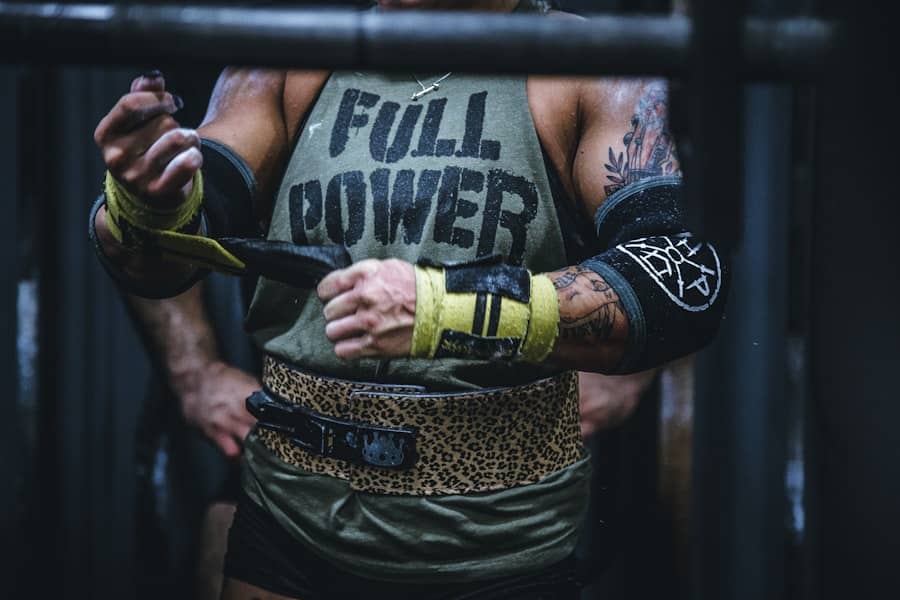
High-Intensity Interval Training (HIIT) has gained popularity for its efficiency in burning fat while preserving muscle mass. This training method involves alternating between short bursts of intense exercise and periods of rest or lower-intensity activity. The beauty of HIIT lies in its versatility; you can incorporate it into various workouts, whether you prefer running, cycling, or bodyweight exercises.
By pushing yourself during the high-intensity intervals, you can elevate your heart rate and maximize calorie burn in a shorter amount of time compared to traditional steady-state cardio. To effectively integrate HIIT into your routine, start with two to three sessions per week. Each session can last anywhere from 15 to 30 minutes, depending on your fitness level and goals.
As you become more comfortable with this training style, you can experiment with different intervals and exercises to keep things fresh and challenging. Remember that proper form is crucial during high-intensity workouts to prevent injury. By incorporating HIIT into your regimen, you’ll not only enhance your fat-burning potential but also improve your cardiovascular fitness and overall athletic performance.
Importance of Nutrition for Fat Loss and Muscle Gain
Nutrition plays a pivotal role in achieving your fat loss and muscle gain goals. The food you consume provides the necessary fuel for your workouts and recovery while also influencing your body composition. To effectively burn fat and build muscle, focus on creating a balanced diet that includes a variety of whole foods.
Prioritize lean proteins, healthy fats, whole grains, fruits, and vegetables to ensure you’re getting the essential nutrients your body needs. One key aspect of nutrition is understanding the concept of caloric balance. To lose fat, you must maintain a caloric deficit, while building muscle typically requires a caloric surplus or at least maintenance levels of calories combined with adequate protein intake.
Tracking your food intake can help you stay accountable and make informed choices about what you eat. Additionally, consider meal prepping to ensure you have healthy options readily available throughout the week. By prioritizing nutrition alongside your workout plan, you’ll create a solid foundation for achieving your fitness aspirations.
The Role of Protein in Building Muscle and Burning Fat
Protein is often hailed as the cornerstone of muscle building and fat loss due to its unique properties. When you engage in resistance training, your muscles experience micro-tears that need repair; this is where protein comes into play. Consuming adequate protein helps facilitate muscle recovery and growth by providing the necessary amino acids for rebuilding muscle fibers.
Aim for a protein intake of around 1.6 to 2.2 grams per kilogram of body weight daily to support optimal muscle development. In addition to its role in muscle repair, protein can also aid in fat loss by promoting satiety and increasing thermogenesis—the process by which your body generates heat and burns calories during digestion. Including protein-rich foods in your meals can help curb hunger and reduce overall calorie intake.
Consider incorporating sources such as lean meats, fish, eggs, dairy products, legumes, and plant-based proteins into your diet. By prioritizing protein consumption, you’ll not only enhance your muscle-building efforts but also support your fat-burning goals.
Incorporating Resistance Training for Muscle Building

Resistance training is an indispensable component of any effective muscle-building program. This type of training involves using weights or resistance bands to create tension on your muscles, stimulating growth through progressive overload. Whether you choose free weights, machines, or bodyweight exercises, the key is to challenge yourself consistently over time.
Aim for at least two to three sessions per week focused on different muscle groups to ensure balanced development. When incorporating resistance training into your routine, consider varying your exercises to target different muscle groups effectively. Compound movements such as squats, deadlifts, bench presses, and rows engage multiple muscles simultaneously and are particularly effective for building strength and mass.
Additionally, don’t shy away from isolation exercises that focus on specific muscles; these can help address any imbalances or weaknesses in your physique. By committing to a well-rounded resistance training program, you’ll lay the groundwork for significant muscle gains while enhancing your overall strength.
Maximizing Rest and Recovery for Optimal Results
While it may be tempting to push yourself relentlessly in the gym, rest and recovery are equally important for achieving optimal results in fat loss and muscle gain. When you exercise, especially during resistance training sessions, you create micro-tears in your muscles that require time to heal. Without adequate rest, you risk overtraining, which can lead to fatigue, decreased performance, and even injury.
To maximize recovery, prioritize sleep as one of the most critical factors in your overall well-being. Aim for seven to nine hours of quality sleep each night to allow your body to repair itself effectively. Additionally, consider incorporating active recovery days into your routine—these can include light activities such as walking or yoga that promote blood flow without placing excessive strain on your muscles.
By recognizing the importance of rest and recovery in your fitness journey, you’ll set yourself up for long-term success.
Monitoring Progress and Making Adjustments to Your Plan
As you embark on your fitness journey focused on fat loss and muscle gain, monitoring your progress is essential for staying motivated and making informed adjustments to your plan. Regularly tracking metrics such as body weight, measurements, strength levels, and workout performance can provide valuable insights into how well you’re progressing toward your goals. Consider keeping a journal or using fitness apps to log your workouts and nutrition; this will help you identify patterns and areas for improvement.
Be open to making adjustments based on the data you collect. If you find that you’re not seeing the desired results after several weeks of consistent effort, it may be time to reassess your caloric intake or modify your workout routine. Perhaps increasing the intensity of your workouts or incorporating new exercises could reignite progress.
Remember that fitness is a dynamic journey; what works for one person may not work for another. By staying adaptable and committed to monitoring your progress, you’ll be better equipped to navigate challenges and continue moving toward your goals with confidence.
If you are looking to burn fat and build muscle, it is important to consider the impact of pregnancy complications on your fitness journey. According to a recent article on superfatburner.net, certain pregnancy complications can affect your ability to effectively burn fat and build muscle. It is crucial to consult with a healthcare provider before starting any new fitness regimen, especially if you have a history of pregnancy complications. Additionally, incorporating portion control and using fat burner powder can also help support your weight loss and muscle-building goals, as discussed in other articles on the same website.
FAQs
What is the best way to burn fat and build muscle?
The best way to burn fat and build muscle is through a combination of regular exercise, including both cardiovascular and strength training, and a balanced diet that includes plenty of protein, healthy fats, and complex carbohydrates.
How often should I exercise to burn fat and build muscle?
For optimal results, it is recommended to engage in at least 150 minutes of moderate-intensity aerobic activity or 75 minutes of vigorous-intensity aerobic activity per week, along with muscle-strengthening activities on two or more days a week.
What types of exercises are best for burning fat and building muscle?
A combination of cardiovascular exercises such as running, cycling, or swimming, along with strength training exercises like weightlifting, bodyweight exercises, and resistance training, are ideal for burning fat and building muscle.
What should I eat to support fat burning and muscle building?
A balanced diet that includes lean protein sources, healthy fats, complex carbohydrates, and plenty of fruits and vegetables is essential for supporting fat burning and muscle building. It’s also important to stay hydrated and limit processed foods and added sugars.
How long does it take to see results from burning fat and building muscle?
Results from burning fat and building muscle can vary depending on individual factors such as genetics, diet, and exercise routine. However, with consistent effort, it is possible to start seeing noticeable results within a few weeks to a few months.