

The ketogenic diet, commonly known as the keto diet, is a low-carbohydrate, high-fat dietary approach that has gained immense popularity in recent years. At its core, the keto diet aims to shift your body’s metabolism from relying on glucose derived from carbohydrates to utilizing fat as its primary energy source. This metabolic state, known as ketosis, occurs when your carbohydrate intake is significantly reduced, prompting your body to break down fat into ketones for energy.
As you embark on this journey, you may find that the initial phase can be challenging, but the potential benefits for fat loss and muscle gain are compelling. When you adhere to the keto diet, your body undergoes several physiological changes that can facilitate fat loss. By drastically reducing your carbohydrate intake, you lower insulin levels, which can lead to increased fat oxidation.
This means that your body becomes more efficient at burning stored fat for energy. Additionally, the high-fat content of the diet can help you feel satiated, reducing overall calorie intake and making it easier to maintain a calorie deficit. However, while fat loss is a primary goal for many on the keto diet, it’s essential to consider how this dietary approach can also support muscle gain when combined with the right strategies.
Key Takeaways
- The Keto diet can effectively promote fat loss and muscle gain by utilizing fat as the primary source of energy and reducing insulin levels.
- Creating a calorie deficit is essential for fat loss on Keto, and can be achieved by reducing carbohydrate intake and increasing fat and protein consumption.
- High protein foods such as meat, fish, and eggs should be incorporated into the Keto diet to support muscle gain and repair.
- Resistance training is crucial for building muscle on Keto, and can be achieved through bodyweight exercises, weight lifting, or resistance bands.
- Managing macronutrient ratios, such as consuming moderate protein, high fat, and low carbohydrates, is important for optimal fat loss and muscle gain on Keto.
Creating a Calorie Deficit on Keto for Fat Loss
To achieve fat loss on the keto diet, creating a calorie deficit is crucial. This means that you need to consume fewer calories than your body expends. While the keto diet naturally promotes a reduction in appetite due to its satiating nature, it’s still important to track your caloric intake to ensure you’re in a deficit.
You can start by calculating your Total Daily Energy Expenditure (TDEE), which takes into account your basal metabolic rate and activity level. Once you have this number, aim to consume around 500 calories less per day to promote steady fat loss. Incorporating nutrient-dense foods into your meals can help you maintain a calorie deficit while still feeling satisfied.
Focus on high-quality fats such as avocados, nuts, and olive oil, along with low-carb vegetables like leafy greens and cruciferous vegetables. These foods not only provide essential nutrients but also help keep you full longer. Additionally, consider meal prepping to avoid impulsive eating and ensure that you have keto-friendly options readily available.
By being mindful of your caloric intake and making strategic food choices, you can effectively create a calorie deficit that supports your fat loss goals.
Incorporating High Protein Foods into Your Keto Diet for Muscle Gain
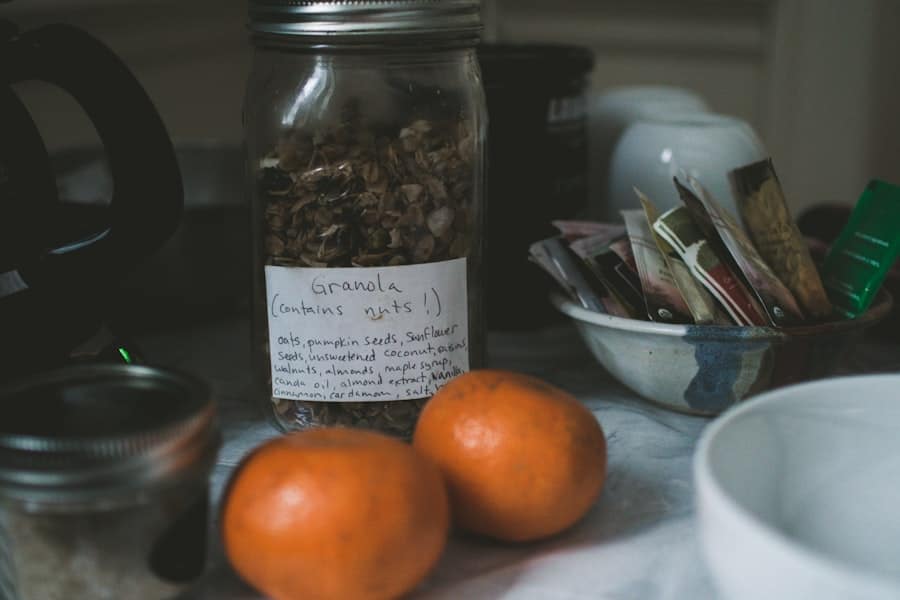
While the keto diet is primarily focused on high fat intake, incorporating adequate protein is essential for muscle gain. Protein plays a vital role in muscle repair and growth, especially when combined with resistance training. As you navigate your keto journey, aim to include high-quality protein sources in your meals.
Foods such as grass-fed beef, free-range chicken, fatty fish like salmon, and plant-based options like tofu and tempeh can provide the necessary amino acids to support muscle synthesis. Balancing your macronutrient ratios is key when it comes to protein intake on keto. While traditional keto diets often emphasize higher fat consumption, it’s important not to neglect protein altogether.
Aiming for around 20-30% of your daily caloric intake from protein can help you maintain muscle mass while losing fat. You might also consider incorporating protein-rich snacks like hard-boiled eggs or cheese to meet your daily protein goals without exceeding your carbohydrate limits. By prioritizing protein in your keto diet, you can create an environment conducive to muscle gain while still promoting fat loss.
Utilizing Resistance Training to Build Muscle on Keto
Engaging in resistance training is one of the most effective ways to build muscle while following a keto diet. When you lift weights or perform bodyweight exercises, you create micro-tears in your muscle fibers, which then repair and grow stronger during recovery. This process is essential for muscle hypertrophy and can be particularly effective when combined with a well-structured nutrition plan like keto.
As you embark on this journey, consider incorporating compound movements such as squats, deadlifts, and bench presses into your routine for maximum muscle engagement. It’s important to note that while resistance training is beneficial for muscle gain, it may require some adjustments when following a keto diet. Initially, you might experience a decrease in energy levels as your body adapts to burning fat for fuel instead of carbohydrates.
However, as you become more accustomed to ketosis, many individuals report increased endurance and strength during workouts. To optimize your training sessions, ensure that you’re consuming enough calories and protein to support recovery and growth. By consistently challenging yourself in the gym and fueling your body appropriately, you can effectively build muscle while adhering to a ketogenic lifestyle.
Managing Macronutrient Ratios for Optimal Fat Loss and Muscle Gain on Keto
To achieve optimal results on the keto diet, managing your macronutrient ratios is essential. The standard macronutrient breakdown for a ketogenic diet typically consists of approximately 70-75% fats, 20-25% protein, and 5-10% carbohydrates. However, these ratios can be adjusted based on individual goals and activity levels.
For those focused on muscle gain while losing fat, slightly increasing protein intake may be beneficial while maintaining a moderate fat intake. Tracking your macronutrients can be an effective way to ensure that you’re meeting your dietary goals. Utilizing apps or food diaries can help you stay accountable and make necessary adjustments as needed.
It’s also important to prioritize whole foods over processed options to maximize nutrient density and minimize empty calories. By carefully managing your macronutrient ratios and making informed food choices, you can create an environment that supports both fat loss and muscle gain on the keto diet.
Implementing Intermittent Fasting to Enhance Fat Burning and Muscle Preservation on Keto

Enhancing Fat Burning and Preserving Muscle Mass
Intermittent fasting (IF) is a powerful strategy that can complement your keto diet by enhancing fat burning and preserving muscle mass. This eating pattern involves cycling between periods of eating and fasting, which can help regulate insulin levels and promote fat oxidation. When combined with a ketogenic approach, intermittent fasting may accelerate the transition into ketosis and improve overall metabolic flexibility.
Exploring Different Methods of Intermittent Fasting
There are various methods of intermittent fasting that you can explore, such as the 16/8 method (fasting for 16 hours and eating within an 8-hour window) or alternate-day fasting. As you experiment with different fasting protocols, pay attention to how your body responds in terms of energy levels and hunger cues. It’s essential to ensure that during your eating windows, you consume nutrient-dense foods that align with your keto goals.
Optimizing Results with Intermittent Fasting and Keto
By implementing intermittent fasting alongside your ketogenic lifestyle, you may find that it enhances both fat loss and muscle preservation.
Monitoring Your Progress and Making Adjustments to Your Keto Diet and Exercise Routine
Monitoring your progress is crucial when following a keto diet aimed at fat loss and muscle gain. Regularly assessing how your body responds to dietary changes and exercise routines will help you identify what works best for you. Consider tracking metrics such as weight, body measurements, and strength levels in the gym to gauge your progress over time.
Additionally, taking progress photos can provide visual motivation as you work towards your goals. As you monitor your progress, be open to making adjustments as needed. If you find that weight loss has plateaued or muscle gain isn’t occurring as expected, consider revisiting your caloric intake or macronutrient ratios.
It may also be beneficial to switch up your workout routine or increase the intensity of your resistance training sessions. Remember that everyone’s body responds differently to dietary changes; therefore, being flexible and willing to adapt will ultimately lead to better results.
Potential Pitfalls to Avoid When Trying to Lose Fat and Gain Muscle on Keto
While the keto diet offers numerous benefits for fat loss and muscle gain, there are potential pitfalls that you should be aware of as you navigate this journey. One common mistake is underestimating the importance of hydration and electrolyte balance. As your body transitions into ketosis, it excretes more water and electrolytes, which can lead to dehydration if not properly managed.
Be sure to drink plenty of water and consider supplementing with electrolytes to maintain optimal hydration levels. Another pitfall is falling into the trap of “keto-friendly” processed foods that may still be high in calories or unhealthy fats. While these products may fit within your macronutrient goals, they often lack essential nutrients that whole foods provide.
Focus on incorporating fresh vegetables, quality proteins, and healthy fats into your meals rather than relying solely on packaged options. By being mindful of these potential pitfalls and prioritizing whole foods along with proper hydration, you can set yourself up for success in achieving both fat loss and muscle gain on the keto diet.
If you’re looking to learn more about burning fat, you may want to check out the article What Foods Quickly Burn Fat. This article provides valuable information on specific foods that can help speed up the fat-burning process. Additionally, if you’re interested in maximizing your fat-burning potential while you sleep, you may want to read Burn Fat While You Sleep. And for those looking to incorporate exercise into their fat-burning routine, the article { lazyloadBackgroundObserver.observe( lazyloadBackground ); } ); }; const events = [ 'DOMContentLoaded', 'elementor/lazyload/observe', ]; events.forEach( ( event ) => { document.addEventListener( event, lazyloadRunObserver ); } );