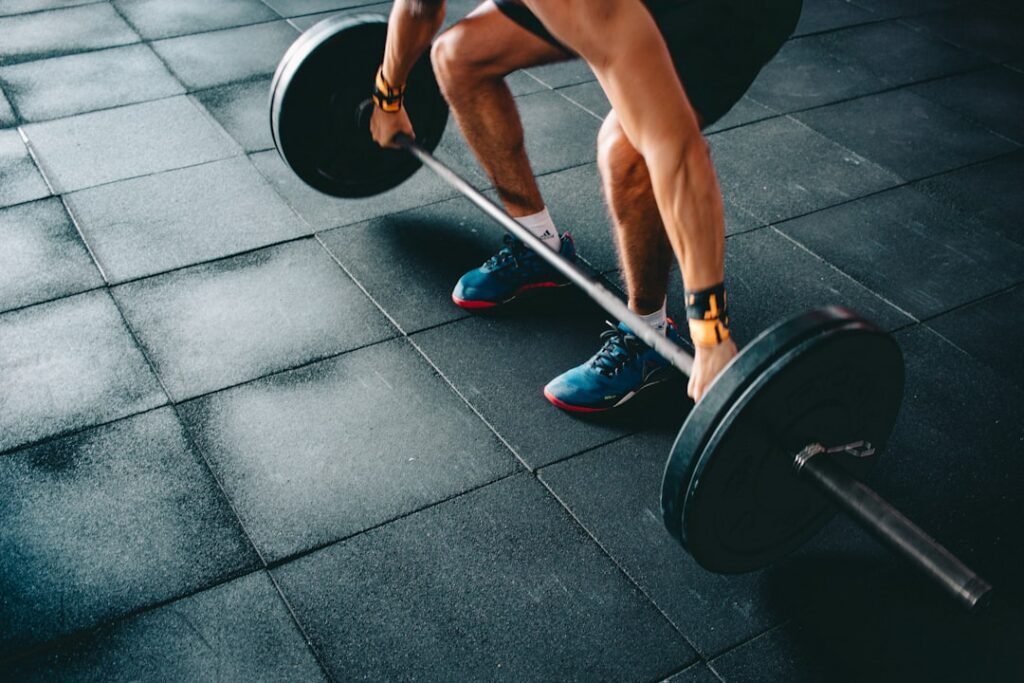
Nutrition is the cornerstone of any fitness journey, and understanding its significance can profoundly impact your overall health and performance. When you think about nutrition, consider it as the fuel that powers your body. Just as a car requires the right type of fuel to run efficiently, your body needs a balanced diet to function optimally.
This means consuming a variety of nutrients, including carbohydrates, proteins, fats, vitamins, and minerals. Each of these components plays a unique role in supporting bodily functions, from energy production to muscle repair and immune system support. Moreover, the quality of the food you consume can influence not only your physical health but also your mental well-being.
A well-rounded diet can enhance your mood, improve cognitive function, and increase your energy levels. When you prioritize nutrition, you are not just feeding your body; you are nurturing it. This holistic approach to eating can lead to better performance in your workouts and daily activities, making it essential to educate yourself about what constitutes a healthy diet.
By understanding the importance of nutrition, you set the foundation for achieving your fitness goals and maintaining a healthy lifestyle.
Key Takeaways
- Proper nutrition is essential for overall health and fitness
- Resistance training helps build muscle and increase metabolism
- HIIT is an effective way to burn calories and improve cardiovascular health
- Compound exercises work multiple muscle groups at once for efficient workouts
- Rest and recovery are crucial for muscle repair and growth
Incorporating Resistance Training
Resistance training is a vital component of any fitness regimen, and incorporating it into your routine can yield significant benefits. This form of exercise involves working against an external force, such as weights or resistance bands, to build strength and muscle mass. As you engage in resistance training, you stimulate muscle fibers, leading to growth and increased strength over time.
This not only enhances your physical appearance but also boosts your metabolism, allowing you to burn more calories even at rest. In addition to its physical benefits, resistance training can also improve your functional fitness. By strengthening your muscles and joints, you enhance your ability to perform everyday tasks with ease.
Whether it’s lifting groceries or climbing stairs, the benefits of resistance training extend beyond the gym. Furthermore, it can help prevent injuries by improving balance and coordination. As you incorporate resistance training into your routine, consider varying your exercises to target different muscle groups and keep your workouts engaging.
This diversity will not only challenge your body but also prevent plateaus in your progress.
Implementing High-Intensity Interval Training (HIIT)
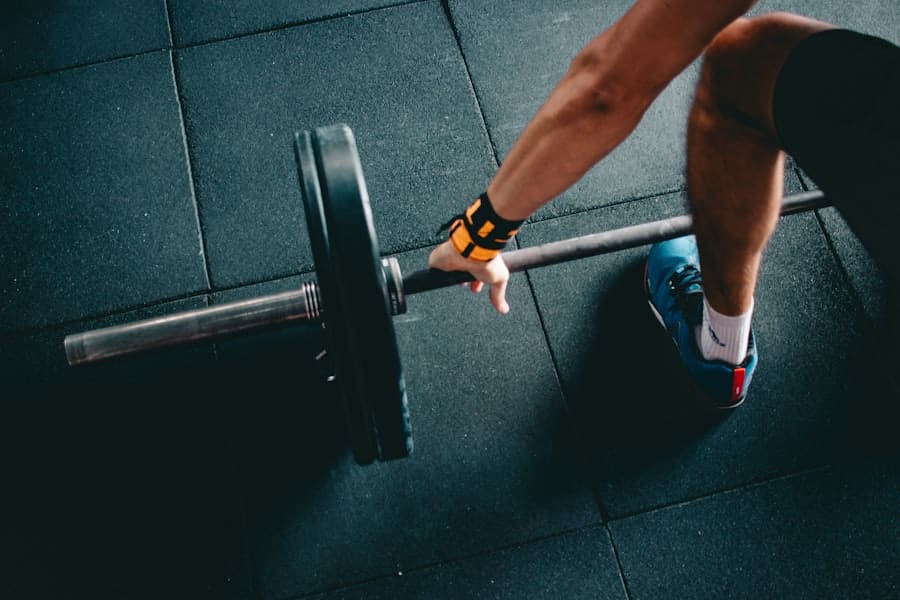
High-Intensity Interval Training (HIIT) has gained popularity in recent years for good reason. This training method alternates between short bursts of intense activity and periods of rest or lower-intensity exercise. The beauty of HIIT lies in its efficiency; you can achieve significant cardiovascular and metabolic benefits in a shorter amount of time compared to traditional steady-state cardio workouts.
If you’re pressed for time but still want to maximize your workout results, HIIT could be the perfect solution for you. Incorporating HIIT into your fitness routine can also keep things exciting. The variety of exercises you can include—ranging from sprints to bodyweight movements—means that no two workouts need to be the same.
This not only helps prevent boredom but also challenges your body in new ways, promoting continuous improvement. Additionally, HIIT has been shown to improve insulin sensitivity and cardiovascular health, making it a powerful tool for overall wellness. As you explore this training method, listen to your body and adjust the intensity according to your fitness level to ensure a safe and effective workout.
Focusing on Compound Exercises
When it comes to building strength and muscle efficiently, compound exercises should be at the forefront of your training regimen. These movements engage multiple muscle groups and joints simultaneously, allowing you to lift heavier weights and burn more calories in less time. Think of exercises like squats, deadlifts, bench presses, and pull-ups—each one targets various muscles while also improving coordination and stability.
Focusing on compound exercises not only maximizes your workout efficiency but also enhances functional strength. By mimicking real-life movements, these exercises prepare your body for everyday activities and sports performance. Additionally, they promote better hormonal responses that can aid in muscle growth and fat loss.
As you design your workout plan, prioritize compound movements to build a solid foundation of strength that will support your fitness journey in the long run.
Prioritizing Recovery and Rest
While pushing yourself during workouts is essential for progress, equally important is the time you dedicate to recovery and rest. Your body needs time to repair itself after intense exercise sessions; without adequate recovery, you risk overtraining and injury. Prioritizing rest days allows your muscles to heal and grow stronger, ultimately leading to better performance in future workouts.
Incorporating active recovery techniques—such as light stretching or yoga—can also be beneficial during rest days. These practices promote blood flow to the muscles while aiding in flexibility and relaxation. Additionally, ensure that you’re getting enough sleep each night; quality sleep is crucial for recovery as it allows your body to repair tissues and regulate hormones related to stress and appetite.
By recognizing the importance of recovery and rest in your fitness journey, you set yourself up for sustainable progress and long-term success.
Setting Realistic Goals

Setting realistic goals is a fundamental aspect of any successful fitness journey. When you embark on this path, it’s essential to establish clear and achievable objectives that align with your personal aspirations. Instead of aiming for drastic changes overnight, focus on incremental progress that allows you to build momentum over time.
For instance, rather than setting a goal to lose 20 pounds in a month, consider aiming for a more manageable target of 1-2 pounds per week. Moreover, breaking down larger goals into smaller milestones can help keep you motivated along the way. Celebrate each achievement, no matter how small; this positive reinforcement will encourage you to stay committed to your fitness journey.
Remember that everyone’s path is unique; comparing yourself to others can lead to frustration and disappointment. By setting realistic goals tailored to your individual circumstances, you create a roadmap that guides you toward success while fostering a positive mindset.
Tracking Progress and Adjusting Accordingly
Tracking your progress is an invaluable tool in achieving your fitness goals. By keeping a record of your workouts, nutrition, and any changes in body composition or performance metrics, you gain insight into what works best for you. This data allows you to identify patterns and make informed decisions about adjustments needed in your routine.
Whether it’s increasing weights in resistance training or modifying your diet based on energy levels, tracking progress empowers you to take control of your fitness journey. Additionally, regular assessments can help prevent plateaus by prompting you to change up your routine when necessary. If you’ve been following the same workout plan for an extended period without seeing results, it may be time to switch things up or increase intensity levels.
Remember that progress isn’t always linear; there will be ups and downs along the way. Embrace these fluctuations as part of the process and use them as opportunities for growth rather than setbacks.
Seeking Professional Guidance if Necessary
While self-guided fitness journeys can be rewarding, there are times when seeking professional guidance may be beneficial. Personal trainers or nutritionists can provide tailored advice based on your specific needs and goals. They bring expertise that can help you navigate challenges more effectively while ensuring you’re using proper techniques during workouts or following a balanced diet.
If you’re unsure where to start or feel overwhelmed by conflicting information about fitness and nutrition, consulting with a professional can provide clarity and direction. They can help create personalized workout plans that align with your goals while considering any limitations or injuries you may have. Investing in professional guidance can accelerate your progress and enhance your overall experience on this journey toward better health and fitness.
In conclusion, embarking on a fitness journey requires a multifaceted approach that encompasses nutrition, exercise variety, recovery strategies, goal-setting, progress tracking, and sometimes professional guidance. By understanding the importance of each element and how they interconnect, you empower yourself to make informed decisions that lead to sustainable success in achieving your health and fitness aspirations. Remember that this journey is uniquely yours; embrace it with patience and determination as you work toward becoming the best version of yourself.
If you are looking to lose fat and gain muscle on your legs, you may also be interested in learning about metabolic syndrome. This condition can make it difficult to lose weight and build muscle, so understanding how it affects your body is crucial. Check out this article on