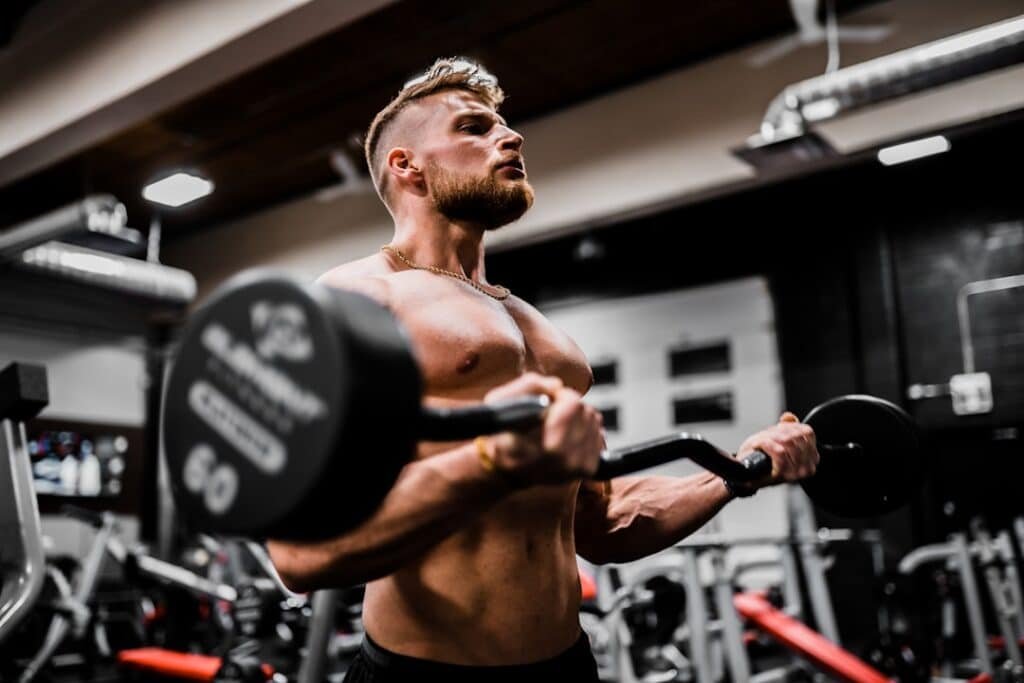
Intermittent fasting (IF) is more than just a diet; it’s a lifestyle approach that focuses on when you eat rather than what you eat. At its core, intermittent fasting involves cycling between periods of eating and fasting. This method can take various forms, such as the 16/8 method, where you fast for 16 hours and eat during an 8-hour window, or the 5:2 approach, which allows you to eat normally for five days of the week while restricting calorie intake on two non-consecutive days.
By understanding the mechanics of intermittent fasting, you can harness its potential benefits for your health and fitness goals. The science behind intermittent fasting is rooted in the body’s natural metabolic processes. When you fast, your body undergoes several physiological changes.
Insulin levels drop, which facilitates fat burning, and human growth hormone (HGH) levels increase, promoting muscle gain and fat loss. Additionally, fasting triggers autophagy, a cellular repair process that helps eliminate damaged cells and regenerate new ones. By embracing this eating pattern, you can tap into these biological mechanisms to enhance your overall well-being and achieve your fitness aspirations.
Key Takeaways
- Intermittent fasting involves cycling between periods of eating and fasting, with various methods such as the 16/8 method or the 5:2 method.
- Intermittent fasting can help with fat loss and muscle gain by promoting fat burning, increasing metabolic rate, and improving insulin sensitivity.
- Creating an effective intermittent fasting schedule involves considering your goals, lifestyle, and preferences, and may require experimentation to find the best approach.
- Combining intermittent fasting with exercise can enhance fat loss and muscle gain by maximizing the benefits of both strategies.
- Nutrition and meal planning are crucial during intermittent fasting to ensure adequate nutrient intake and support your fitness goals.
The Benefits of Intermittent Fasting for Fat Loss and Muscle Gain
One of the most compelling reasons to consider intermittent fasting is its effectiveness in promoting fat loss. When you restrict your eating window, you naturally reduce your caloric intake, which can lead to weight loss over time. Moreover, the hormonal changes that occur during fasting—such as increased norepinephrine and reduced insulin—create an optimal environment for fat oxidation.
This means that your body becomes more efficient at burning stored fat for energy, making it easier for you to shed unwanted pounds. In addition to fat loss, intermittent fasting can also support muscle gain. The increase in human growth hormone during fasting not only aids in fat metabolism but also plays a crucial role in muscle preservation and growth.
When combined with resistance training, intermittent fasting can help you maintain lean muscle mass while losing fat. This dual benefit makes it an attractive option for those looking to improve their body composition without sacrificing strength or muscle size.
Creating an Effective Intermittent Fasting Schedule for Your Goals
To reap the benefits of intermittent fasting, it’s essential to create a schedule that aligns with your personal goals and lifestyle. Start by assessing your daily routine and identifying a fasting window that feels manageable for you. If you’re new to fasting, consider starting with a 12-hour fast, gradually increasing it as your body adapts.
For instance, if you finish dinner at 7 PM, aim to have breakfast at 7 AM the next day. This gradual approach allows your body to adjust without feeling overwhelmed. Once you’ve established a basic schedule, tailor it to fit your specific objectives.
If fat loss is your primary goal, a longer fasting window may be beneficial. Conversely, if muscle gain is your focus, you might prefer a shorter fasting period that allows for more frequent meals rich in protein. Experiment with different schedules to find what works best for you, keeping in mind that consistency is key to achieving lasting results.
Combining Intermittent Fasting with Exercise for Optimal Results
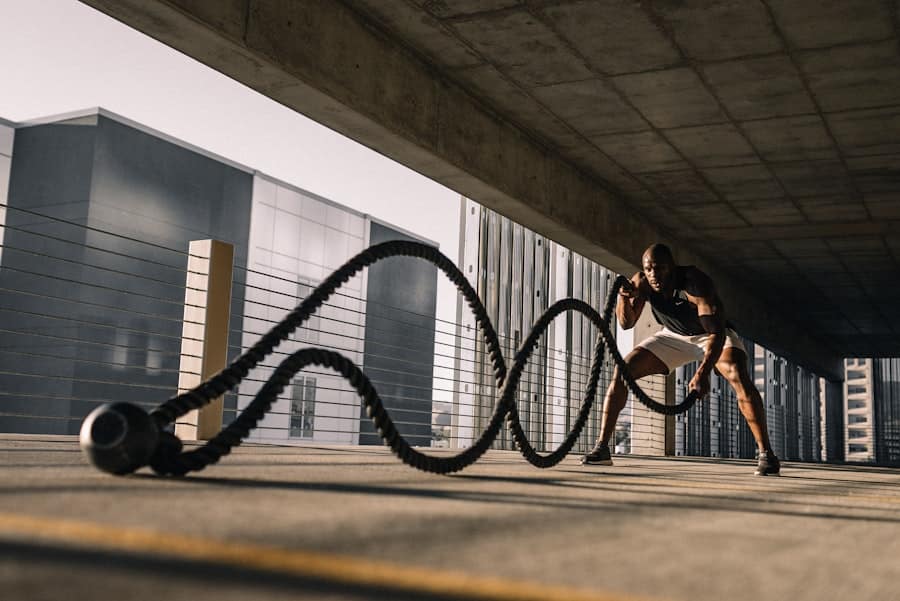
Integrating exercise into your intermittent fasting routine can amplify the benefits of both practices. When you work out during a fasted state, your body is more likely to tap into fat stores for energy, enhancing fat loss. However, timing your workouts is crucial; many people find that exercising towards the end of their fasting period—just before their eating window opens—provides them with the energy they need while still maximizing fat oxidation.
It’s also important to consider the type of exercise you engage in while following an intermittent fasting regimen. High-intensity interval training (HIIT) and resistance training are particularly effective when combined with fasting. These forms of exercise not only promote muscle growth but also elevate your metabolic rate post-workout, leading to additional calorie burn throughout the day.
By strategically planning your workouts around your fasting schedule, you can optimize your results and make the most of your efforts.
The Importance of Nutrition and Meal Planning during Intermittent Fasting
While intermittent fasting focuses on when you eat, what you eat is equally important for achieving your health and fitness goals. During your eating window, prioritize nutrient-dense foods that provide essential vitamins and minerals while supporting your energy needs. Incorporate lean proteins, healthy fats, whole grains, and plenty of fruits and vegetables into your meals to ensure you’re fueling your body adequately.
Meal planning can be a game-changer when practicing intermittent fasting. By preparing meals in advance, you can avoid impulsive food choices that may derail your progress. Consider batch cooking or prepping ingredients ahead of time so that when it’s time to eat, you have healthy options readily available.
This not only saves time but also helps you stay on track with your nutritional goals while enjoying the benefits of intermittent fasting.
Overcoming Challenges and Pitfalls of Intermittent Fasting for Fat Loss and Muscle Gain

As with any lifestyle change, intermittent fasting comes with its own set of challenges. One common hurdle is hunger during the fasting period. Initially, you may experience cravings or discomfort as your body adjusts to this new eating pattern.
To combat this, stay hydrated by drinking plenty of water or herbal teas during your fasting hours. Additionally, keeping yourself busy can help distract from hunger pangs. Another potential pitfall is the tendency to overeat during the eating window.
It’s easy to fall into the trap of thinking that since you’re fasting, you can indulge in unhealthy foods once it’s time to eat. However, this mindset can hinder your progress toward fat loss and muscle gain goals. Focus on portion control and mindful eating practices to ensure that you’re nourishing your body without overindulging.
Tracking Progress and Adjusting Your Intermittent Fasting Plan as Needed
Monitoring your progress is essential when following an intermittent fasting regimen. Keep track of various metrics such as weight changes, body measurements, energy levels, and workout performance. This data will help you assess whether your current plan is effective or if adjustments are necessary.
Remember that progress may not always be linear; fluctuations are normal and should be expected. If you find that you’re not achieving the desired results after a few weeks, consider tweaking your fasting schedule or meal choices. You might experiment with different fasting windows or adjust the types of foods you consume during your eating periods.
The key is to remain flexible and open to change while staying committed to your long-term goals.
Implementing Intermittent Fasting as a Sustainable Lifestyle Change for Long-Term Results
Ultimately, the goal of intermittent fasting should be to create a sustainable lifestyle change rather than a temporary diet fix. As you become more accustomed to this eating pattern, focus on how it fits into your overall lifestyle and well-being. Embrace the flexibility that intermittent fasting offers; it doesn’t have to be rigid or restrictive but can be adapted to suit your preferences and social commitments.
To ensure long-term success with intermittent fasting, prioritize self-care and listen to your body’s signals. If certain aspects of the plan feel overwhelming or unsustainable, don’t hesitate to make adjustments that better align with your lifestyle. By approaching intermittent fasting as a holistic lifestyle choice rather than a short-term solution, you’ll be more likely to achieve lasting results in both fat loss and muscle gain while enjoying improved overall health and vitality.
If you’re looking to burn fat without exercise, you may want to check out this article on how to burn fat without exercise. Incorporating green tea extract into your routine can also help with fat loss, as discussed in this article on green tea extract. Additionally, using a fat burner and pre-workout supplement can aid in your weight loss journey, as outlined in this article on fat burner and pre-workout. Combining these strategies with intermittent fasting can help you achieve your goals of losing fat and gaining muscle.
FAQs
What is intermittent fasting?
Intermittent fasting is an eating pattern that cycles between periods of fasting and eating. It does not specify which foods to eat, but rather when to eat them.
How does intermittent fasting help with fat loss?
Intermittent fasting can help with fat loss by reducing calorie intake and increasing the body’s ability to burn fat for energy during the fasting period.
How does intermittent fasting help with muscle gain?
Intermittent fasting can help with muscle gain by promoting the production of growth hormone and increasing the body’s sensitivity to insulin, which can aid in muscle growth and recovery.
What are the different methods of intermittent fasting?
Some popular methods of intermittent fasting include the 16/8 method (fasting for 16 hours and eating within an 8-hour window), the 5:2 method (eating normally for 5 days and restricting calorie intake for 2 days), and the eat-stop-eat method (fasting for 24 hours once or twice a week).
Is intermittent fasting safe for everyone?
Intermittent fasting may not be suitable for everyone, especially those with certain medical conditions, pregnant or breastfeeding women, and individuals with a history of eating disorders. It is important to consult with a healthcare professional before starting intermittent fasting.
What should I eat during the eating window in intermittent fasting?
During the eating window, it is important to focus on consuming nutrient-dense foods such as lean proteins, healthy fats, fruits, vegetables, and whole grains to support muscle gain and overall health.
Can I exercise while intermittent fasting?
Yes, it is possible to exercise while intermittent fasting. Some people find that exercising in a fasted state can help with fat burning, while others prefer to eat before their workout. It is important to listen to your body and find what works best for you.