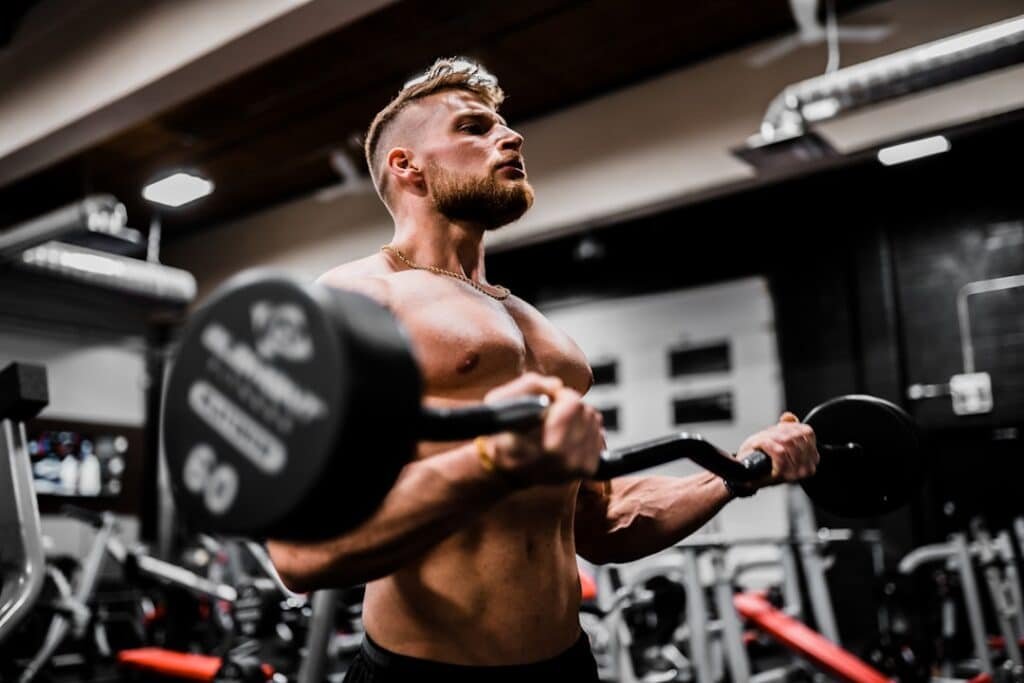
When embarking on a journey toward fat loss and muscle gain, it’s essential to grasp the fundamental principles that govern these processes. At its core, fat loss occurs when you burn more calories than you consume, creating a caloric deficit. This deficit forces your body to tap into its fat reserves for energy, leading to a reduction in body fat.
On the other hand, muscle gain, or hypertrophy, happens when you engage in activities that stimulate muscle fibers, prompting them to grow in size and strength. This often requires a caloric surplus, where you consume more calories than you burn, providing your body with the necessary nutrients to build new muscle tissue. Understanding these concepts is crucial because they dictate how you should approach your fitness goals.
If your primary aim is to lose fat while simultaneously building muscle, you’ll need to strike a delicate balance between these two opposing processes. This often involves cycling between phases of caloric deficit and surplus, allowing your body to shed fat while still providing enough energy for muscle growth. By familiarizing yourself with these basics, you can create a more effective strategy tailored to your individual needs and aspirations.
Key Takeaways
- Understanding the basics of fat loss and muscle gain is essential for achieving fitness goals.
- Creating a balanced workout plan that includes both cardio and strength training is crucial for overall fitness.
- Incorporating resistance training into your workout routine is key for building and maintaining muscle mass.
- Implementing high intensity interval training (HIIT) can be an effective method for fat loss and improving cardiovascular health.
- Focusing on nutrition, including a balanced diet and adequate protein intake, is essential for optimal results in fat loss and muscle gain.
- Rest and recovery are important for allowing the body to repair and grow, making rest days an essential part of any workout plan.
- Tracking progress and making adjustments to your workout and nutrition plan is important for continued success.
- Seeking professional guidance and support from a fitness trainer or nutritionist can provide valuable insight and accountability for reaching your fitness goals.
Creating a Balanced Workout Plan
Assessing Your Current Fitness Level
Start by assessing your current fitness level and identifying any specific areas you want to improve. This self-awareness will guide you in selecting exercises that align with your goals.
Creating a Diverse Workout Routine
In addition to strength training and cardiovascular workouts, consider incorporating flexibility and mobility exercises into your routine. Activities like yoga or dynamic stretching can enhance your overall performance and reduce the risk of injury.
Achieving Better Results
Aim for a weekly schedule that includes at least three days of strength training, two to three days of cardiovascular exercise, and dedicated time for flexibility work. By diversifying your workouts, you’ll keep your body challenged and engaged, ultimately leading to better results in both fat loss and muscle gain.
Incorporating Resistance Training for Muscle Building
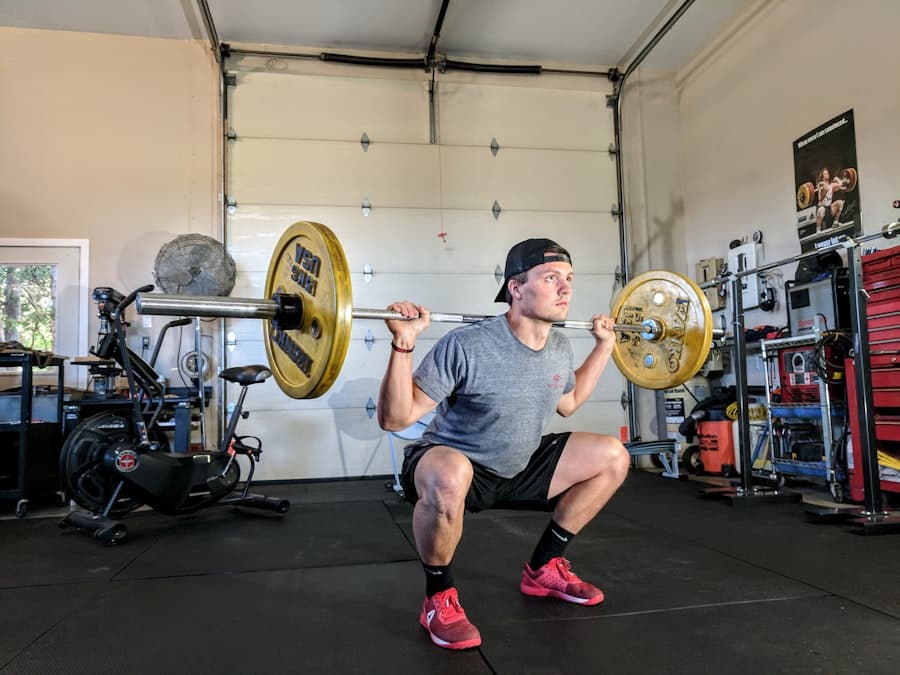
Resistance training is a cornerstone of any effective muscle-building program. This type of training involves using weights or resistance bands to create tension in your muscles, stimulating growth and strength development. When you lift weights, you create microscopic tears in your muscle fibers.
As your body repairs these tears, it builds back stronger muscles, leading to hypertrophy over time. To maximize your results, focus on compound movements such as squats, deadlifts, bench presses, and rows, which engage multiple muscle groups simultaneously. To see significant gains, it’s essential to progressively overload your muscles by gradually increasing the weight or resistance you use over time.
This principle ensures that your muscles are continually challenged, preventing plateaus in your progress. Additionally, consider varying your rep ranges and workout intensity to keep your muscles guessing and adapting. Incorporating resistance training into your routine not only aids in muscle building but also boosts your metabolism, making it an effective strategy for fat loss as well.
Implementing High Intensity Interval Training for Fat Loss
High-Intensity Interval Training (HIIT) has gained popularity as an efficient method for burning fat while preserving muscle mass. This training style alternates between short bursts of intense exercise and periods of rest or lower-intensity activity. The beauty of HIIT lies in its ability to elevate your heart rate quickly, leading to increased calorie burn both during and after your workout due to the afterburn effect known as excess post-exercise oxygen consumption (EPOC).
To incorporate HIIT into your routine, choose exercises that you enjoy and can perform at high intensity, such as sprinting, cycling, or bodyweight movements like burpees and jump squats. A typical HIIT session might involve 20 seconds of maximum effort followed by 40 seconds of rest, repeated for 15-30 minutes. Not only does this approach save time compared to traditional steady-state cardio, but it also keeps your workouts engaging and dynamic.
By integrating HIIT into your fitness regimen, you can effectively accelerate fat loss while maintaining lean muscle mass.
Focusing on Nutrition for Optimal Results
Nutrition plays a pivotal role in achieving both fat loss and muscle gain. To support your fitness goals, it’s crucial to fuel your body with the right nutrients at the right times. Start by calculating your daily caloric needs based on your activity level and goals.
If you’re aiming for fat loss, create a moderate caloric deficit by consuming fewer calories than you burn. Conversely, if muscle gain is your priority, ensure you’re in a caloric surplus with a focus on nutrient-dense foods. Macronutrients—proteins, carbohydrates, and fats—should be balanced according to your specific goals.
Protein is particularly important for muscle repair and growth; aim for a daily intake of around 1.6 to 2.2 grams per kilogram of body weight. Carbohydrates provide the energy needed for intense workouts, while healthy fats support hormone production and overall health. Don’t forget about micronutrients; vitamins and minerals are essential for optimal bodily functions and recovery.
By prioritizing nutrition alongside your workout plan, you’ll set yourself up for success in both fat loss and muscle gain.
Rest and Recovery: The Importance of Rest Days
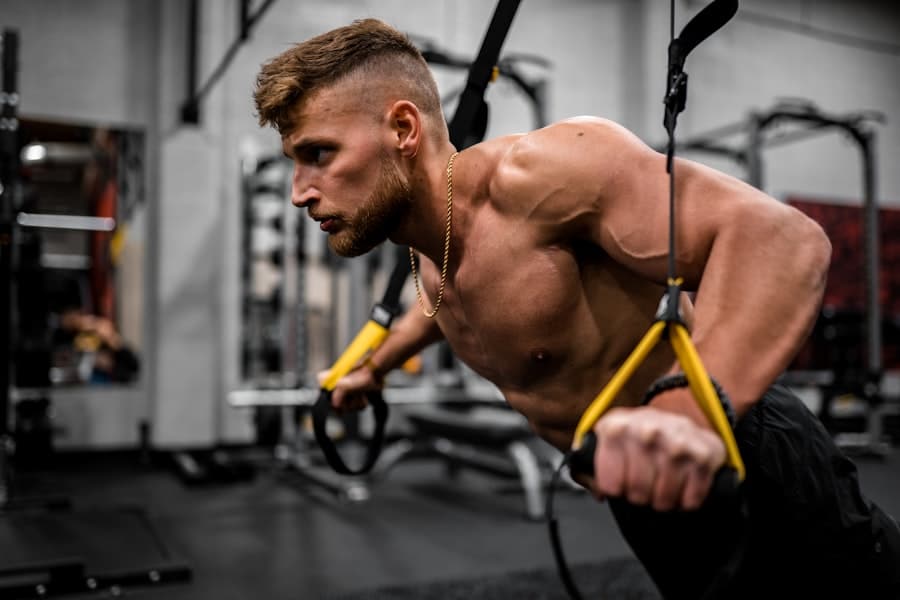
While it may be tempting to push yourself every day in pursuit of your fitness goals, rest and recovery are just as crucial as the workouts themselves. Your muscles need time to repair and grow after intense training sessions; without adequate rest, you risk overtraining and injury. Incorporating rest days into your routine allows your body to recover fully, ensuring that you can perform at your best during subsequent workouts.
Active recovery can also be beneficial; consider engaging in low-intensity activities such as walking or gentle yoga on rest days to promote blood flow without placing additional strain on your muscles. Additionally, prioritize sleep as part of your recovery strategy; quality sleep is essential for hormone regulation and overall health. By respecting the importance of rest days and recovery practices, you’ll enhance your performance and make steady progress toward your fitness goals.
Tracking Progress and Making Adjustments
Tracking your progress is an essential component of any successful fitness journey. By keeping a record of your workouts, nutrition, and body measurements, you can identify patterns that inform necessary adjustments along the way. Regularly assessing your progress allows you to celebrate small victories while also recognizing areas that may need improvement.
Whether it’s increasing weights lifted or noticing changes in body composition, tracking provides valuable insights into what’s working for you. As you monitor your progress, be open to making adjustments based on what you observe. If you find that you’re not seeing the desired results after several weeks, consider tweaking aspects of your workout plan or nutrition strategy.
This could involve changing up your exercise routine to prevent plateaus or reassessing your caloric intake based on changes in activity levels or body composition. By staying flexible and responsive to your body’s needs, you’ll be better equipped to achieve lasting results.
Seeking Professional Guidance and Support
Embarking on a fitness journey can be overwhelming at times, which is why seeking professional guidance can be incredibly beneficial. A certified personal trainer or nutritionist can provide personalized advice tailored to your specific goals and needs. They can help design a workout plan that aligns with your fitness level while ensuring proper form during exercises to prevent injury.
Additionally, a nutritionist can assist in creating meal plans that support both fat loss and muscle gain while considering any dietary restrictions or preferences. Beyond professional guidance, surrounding yourself with a supportive community can enhance motivation and accountability. Whether it’s joining a fitness class or finding workout buddies who share similar goals, having a support system can make the journey more enjoyable and sustainable.
Remember that seeking help is not a sign of weakness; rather, it demonstrates a commitment to achieving your goals effectively and safely. In conclusion, understanding the intricacies of fat loss and muscle gain is essential for anyone looking to transform their body through fitness. By creating a balanced workout plan that incorporates resistance training and HIIT while focusing on nutrition and recovery, you set yourself up for success.
Tracking progress allows for necessary adjustments along the way, while seeking professional guidance can provide valuable insights tailored to your unique journey. Embrace the process with patience and dedication; the results will follow as you work toward becoming the best version of yourself.
If you’re looking to enhance your fat loss and muscle gain journey, you may want to consider incorporating some fat-burning supplements into your routine. Check out this article on fat burning supplements in Canada to learn more about how these products can help you achieve your fitness goals. By combining a solid workout plan with the right supplements, you can maximize your results and see the progress you desire.
FAQs
What is the best workout to lose fat and gain muscle?
The best workout to lose fat and gain muscle is a combination of strength training and cardiovascular exercise. This includes weightlifting, bodyweight exercises, and high-intensity interval training (HIIT).
How often should I workout to lose fat and gain muscle?
To see results in losing fat and gaining muscle, it is recommended to workout at least 3-4 times per week. This allows for adequate recovery time while still challenging the muscles.
What are some effective exercises for losing fat and gaining muscle?
Effective exercises for losing fat and gaining muscle include squats, deadlifts, lunges, push-ups, pull-ups, and HIIT workouts. These exercises target multiple muscle groups and help to increase strength and burn fat.
Should I focus more on cardio or strength training for fat loss and muscle gain?
Both cardio and strength training are important for fat loss and muscle gain. Cardio helps to burn calories and improve cardiovascular health, while strength training builds muscle and boosts metabolism. It’s best to incorporate both into your workout routine.
How important is nutrition when trying to lose fat and gain muscle?
Nutrition is crucial when trying to lose fat and gain muscle. Consuming a balanced diet that includes lean protein, healthy fats, complex carbohydrates, and plenty of fruits and vegetables is essential for supporting muscle growth and promoting fat loss.
Is it possible to lose fat and gain muscle at the same time?
Yes, it is possible to lose fat and gain muscle at the same time, especially for beginners or those returning to exercise after a break. This can be achieved through a combination of strength training, cardio, and a balanced diet. However, the rate of progress may vary for each individual.